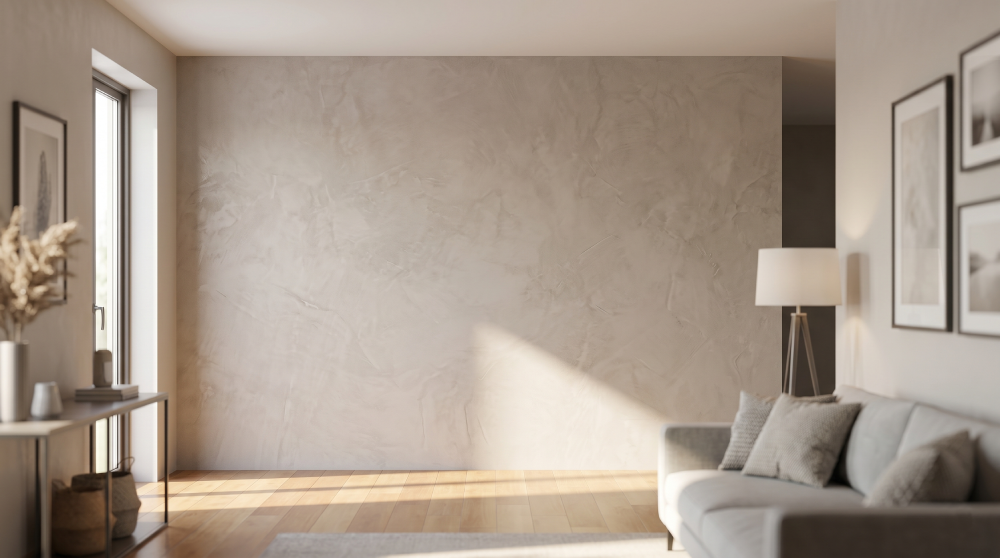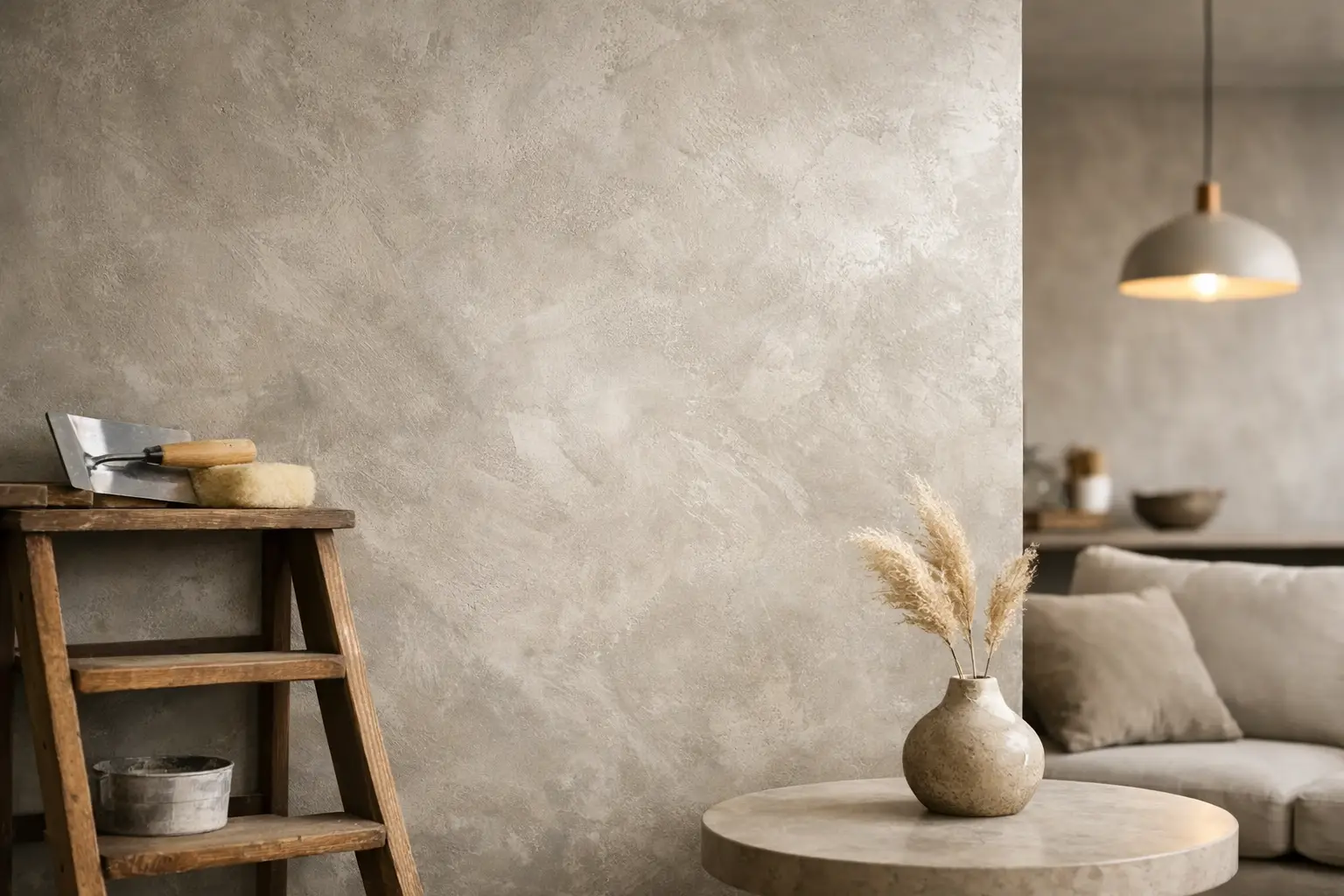

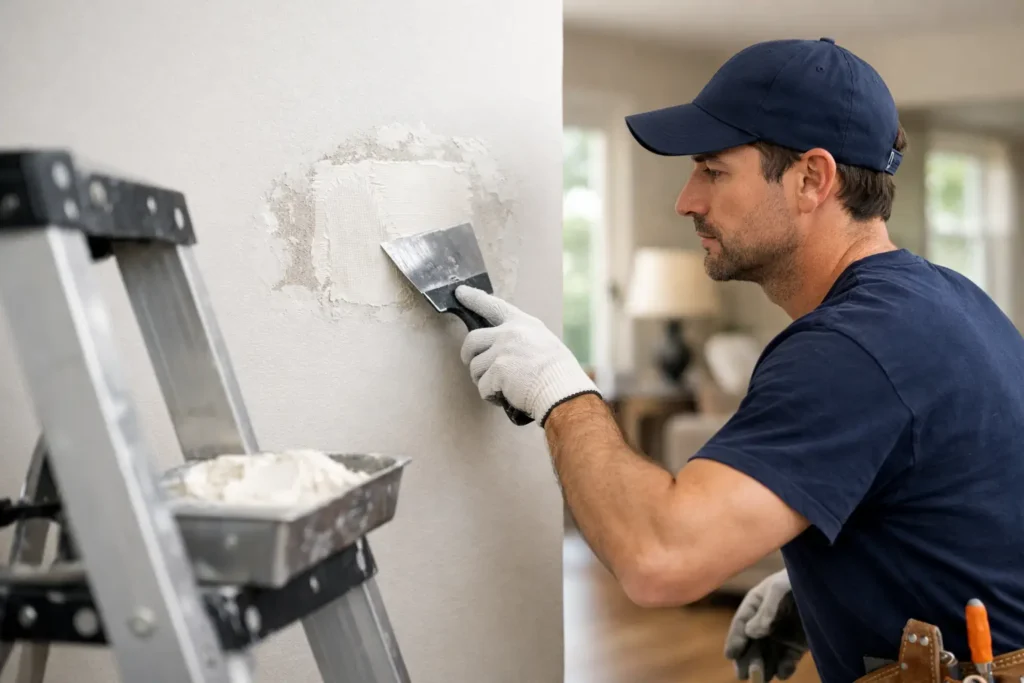
A wall can look fine from across the room and still tell a very different story up close. Hairline cracks above a doorway, a soft spot from an old leak, nail pops that keep returning, or a patch that flashes through paint under afternoon light – these are the details that make drywall repair Harrisburg PA property owners should not treat as a quick cosmetic fix. Good repair work is not just about covering damage. It is about restoring a surface so it looks clean, performs well, and stays that way.
Why drywall damage should not be rushed
Drywall is one of those finishes people notice most when it is done poorly and rarely think about when it is done right. That is exactly why repair work takes skill. A fast patch may hide a hole for a few weeks, but if the surface is not stabilized, properly taped, and finished flat, the repair usually shows back up through paint.
In homes and small commercial spaces, drywall problems often start with something simple. Seasonal settling can create corner cracks. Door impacts leave dents. Moisture from plumbing issues or roof leaks weakens the gypsum core. In rental properties and busy offices, everyday wear adds up faster than many owners expect.
The trade-off is straightforward. A low-cost patch may seem attractive in the moment, but visible seams, uneven texture, and premature cracking usually lead to repainting or a second repair. Quality work costs more upfront, yet it protects the finish and reduces repeat work.
What causes drywall problems in Harrisburg properties
Not every crack means structural trouble, and not every stain means the drywall has to come out. The right approach depends on the cause.
Settling and seasonal movement
Many properties develop minor movement over time. You might see thin cracks above doors and windows or along joints where framing shifts slightly with temperature and humidity changes. These issues are common, but they still need proper preparation before any compound is applied. If the movement is ongoing, a patch alone may not hold.
Water damage
Water is where drywall repair becomes more than a finish issue. A stain can be superficial, or it can signal soft, crumbling material behind the paint. If the source of moisture is not corrected first, the damage usually returns. In some cases, small affected sections can be cut out and replaced cleanly. In others, full panel replacement is the better choice.
Impact damage and wear
Holes from furniture, doorknobs, moving equipment, or tenant turnover are common. These repairs range from simple fill work to reinforced cut-and-patch repairs. The key is matching the repair method to the size and location of the damage. A small dent in a low-visibility area is different from a large opening in the middle of a smooth living room wall.
Poor previous workmanship
Some drywall problems are not new damage at all. They are old repairs that were never finished correctly. You may see ridges over seams, sanding marks, visible mesh tape, mismatched texture, or patches that absorb paint differently from the surrounding wall. These are often the repairs that frustrate homeowners the most because they make the entire room feel unfinished.
Patch or replace? It depends on the damage
This is one of the most common questions around drywall repair Harrisburg PA homeowners ask, and the honest answer is that it depends on scale, location, and condition.
If the drywall is solid, dry, and only has minor surface damage, patching is often the right move. Small holes, stress cracks, popped fasteners, and shallow dents can usually be repaired without removing large sections. When done properly, these fixes blend into the existing wall and prepare it for paint.
If the drywall is soft, swollen, mold-compromised, badly cracked, or sagging, replacement is often the smarter investment. Trying to preserve damaged material just to save time can create a weaker result. In ceilings especially, replacement may be the safer and cleaner option when water damage is involved.
There is also a middle ground. Sometimes one wall or one section of a ceiling needs replacement while adjacent surfaces only need skim coating and finish work. A skilled contractor knows how to combine those approaches so the room looks consistent when complete.
What quality drywall repair looks like
Most people think drywall repair means filling a hole and sanding it smooth. In reality, the difference between average work and premium results comes from process.
Careful surface preparation
Loose material has to be removed. Damaged edges need to be cut back cleanly. Fasteners should be checked. If the problem started with moisture, that issue needs to be addressed before finishing begins. Skipping prep is one of the main reasons repairs fail.
Proper reinforcement
Cracks at joints and seams usually need more than compound alone. Depending on the repair, that may involve tape, backing support, or a cut-and-patch installation that restores stability. This is what helps the finished surface resist future cracking.
Clean finishing and feathering
The best drywall work is often invisible because the repair is feathered wide enough to disappear under paint. That takes patience. Multiple coats, correct drying time, and controlled sanding matter. Rushing this stage leaves humps, flashing, or rough texture that stands out once the room is repainted.
Texture and paint readiness
Not every wall is smooth. Some homes have orange peel, knockdown, or older texture patterns that need to be matched closely. Even on smooth walls, the repaired area should be ready for primer and paint without telegraphing every edge. A premium finish does not call attention to where the repair happened.
Why clean finishing matters for property value
Drywall is a background surface until it is not. Uneven walls affect how a room feels, how trim lines look, and how paint reflects light. If you are updating a home before listing, refreshing a rental, or improving a commercial space for clients and tenants, visible wall damage can make the property feel neglected even when everything else is in good shape.
That is why professional repair adds value beyond the patch itself. It helps new paint look better. It creates cleaner transitions around trim, cabinetry, and lighting. It supports a more polished result if you are remodeling a kitchen, bathroom, office, or finished basement.
For property owners focused on long-term value, drywall repair should fit into the larger plan for the space. If walls are being repaired before painting, flooring updates, or other finish work, coordination matters. Clean sequencing avoids rework and produces a better final result.
Choosing the right contractor for drywall repair in Harrisburg PA
Not all drywall contractors approach repair work the same way. Some focus on speed and basic patching. Others treat wall and ceiling repair as finish craftsmanship.
When evaluating a contractor, pay attention to how they talk about preparation, dust control, finishing quality, and paint readiness. Detailed estimates matter because they show whether the scope has been thought through. Clear communication matters because repair work often uncovers hidden conditions once damaged areas are opened.
It also helps to work with a company that understands drywall as part of a broader remodeling and restoration process. If the repair connects to water damage, repainting, trim replacement, framing changes, or a larger room update, that experience can save time and improve consistency. Master Builder Home Improvement LLC approaches drywall with that full-picture mindset – built around clean finishes, dependable service, and results designed to last.
When it makes sense to act now
Some drywall damage can wait a little while. Some should not. Water-damaged ceilings, growing cracks, crumbling corners, and holes that expose interior cavities are better addressed sooner than later. The longer these issues sit, the more likely they are to spread or complicate surrounding finishes.
There is also a practical timing advantage. If you are already planning interior painting or a renovation, that is usually the best time to address wall and ceiling damage. Repairing drywall before final finishes go in protects the quality of the entire project.
A good wall should do its job quietly. It should look straight in natural light, feel solid, and disappear into the overall design of the room. When drywall repair is handled with care, that is exactly what happens – the damage stops being the thing you notice, and the space starts looking finished again.