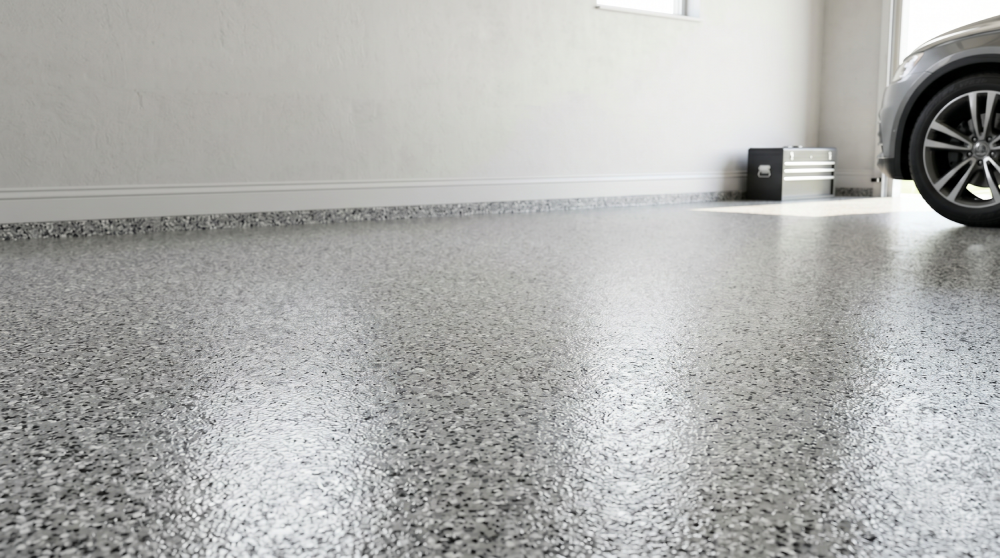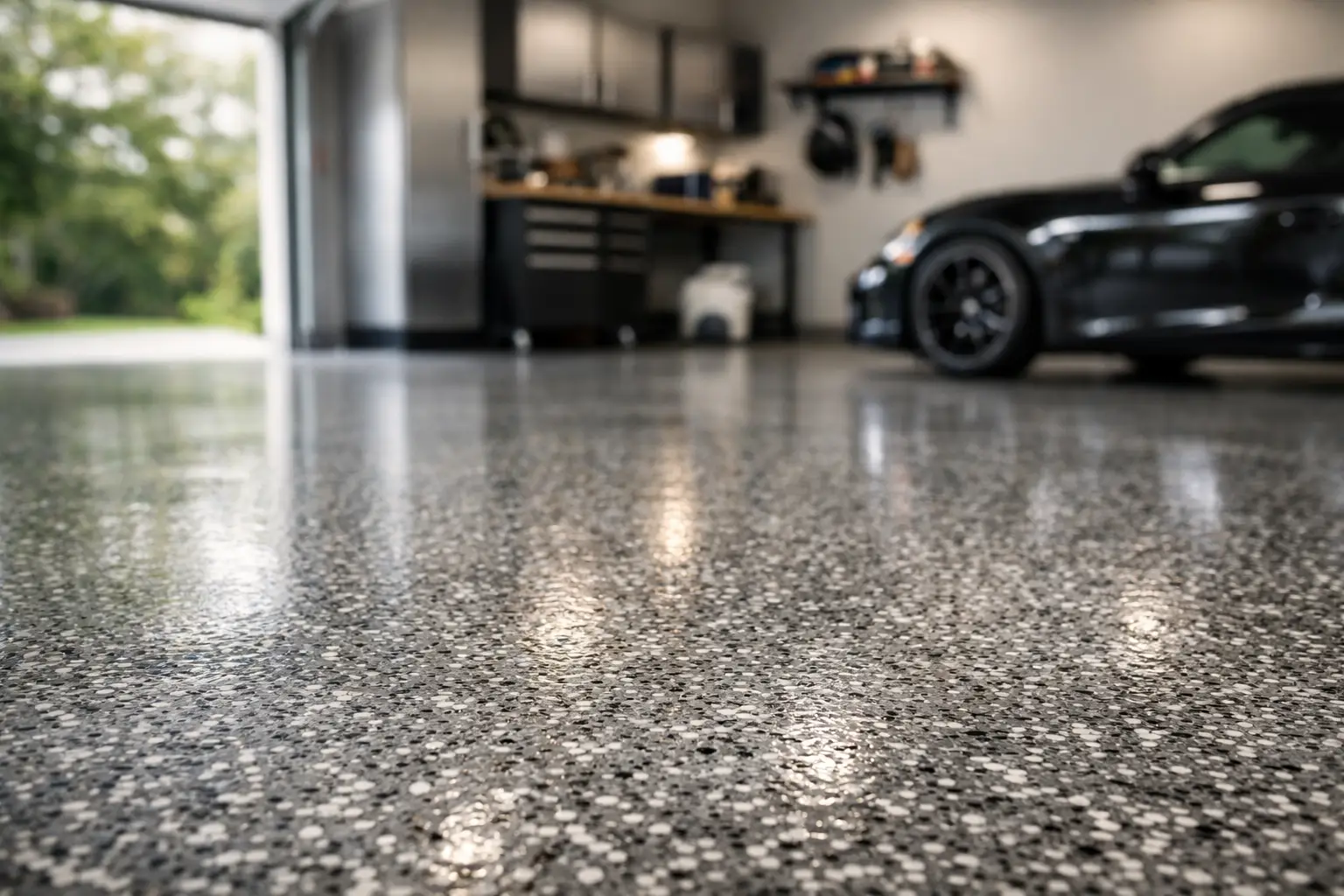

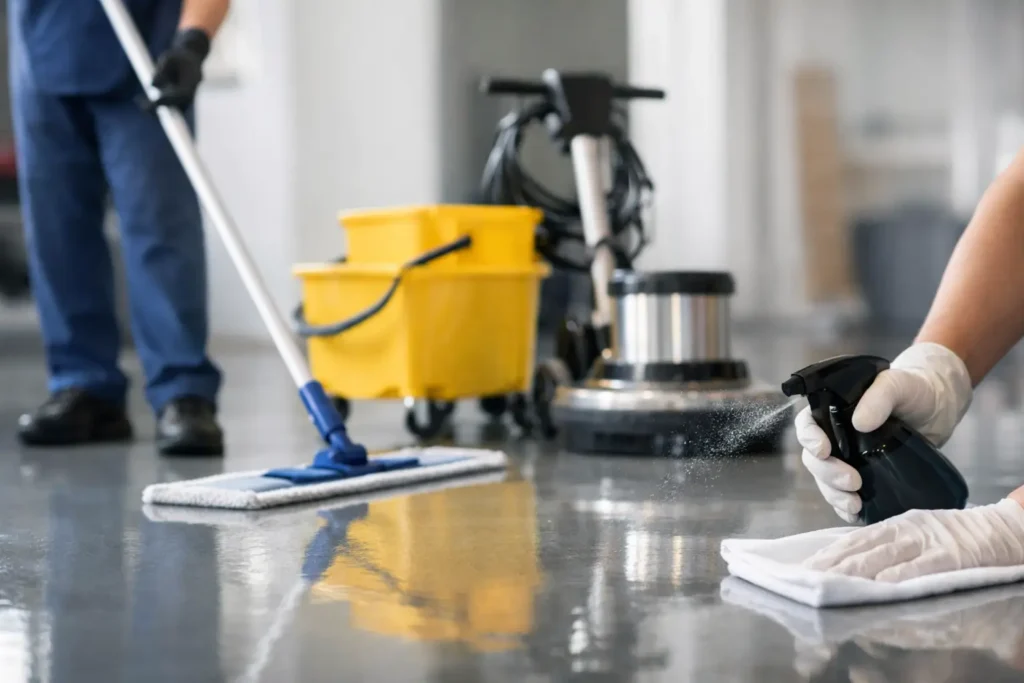
A well-installed epoxy floor can handle serious traffic, resist stains, and keep a garage, basement, showroom, or workspace looking sharp for years. But knowing how to maintain epoxy floors is what keeps that clean, premium finish from turning dull, scratched, or prematurely worn. The good news is that epoxy is low-maintenance compared to many other flooring options. The key is consistent care and a few smart habits that protect the surface over time.
Epoxy is built to last, but it is not indestructible. Dirt acts like sandpaper under shoes and tires. Chemical spills can leave staining if they sit too long. Heavy impacts and abrasive cleaning tools can wear down the finish faster than most property owners expect. If you want your floor to keep its appearance and performance, routine care matters just as much as the original installation.
Why epoxy floor maintenance matters
One of the biggest reasons property owners choose epoxy is durability. It creates a hard, sealed surface that stands up well to moisture, traffic, and daily use. That said, the lifespan of the coating depends on the environment and how the floor is treated after installation.
In a residential garage, maintenance may be fairly simple. In a commercial setting or a busy workshop, the floor sees more tire traffic, dropped tools, spills, and constant foot movement. Those conditions call for a more active cleaning routine. The better the maintenance plan matches the space, the longer the floor will hold its gloss, color, and protective value.
There is also a practical value here beyond appearance. A clean epoxy floor is safer. Dust, oils, and residue can reduce traction and make a polished-looking surface more slippery than it should be. Good maintenance helps preserve both the finish and the function.
Daily and weekly habits for how to maintain epoxy floors
Most epoxy floor care comes down to keeping grit and residue off the surface. For many homes and light-use spaces, a soft dust mop or microfiber pad used a few times per week is enough to remove dirt before it starts scratching the topcoat. In busier areas, daily sweeping may make more sense.
When the floor needs more than dry cleaning, use a mop with warm water and a gentle cleaner that does not leave behind a film. A small amount of mild soap is often enough. The goal is not to soak the floor but to lift surface dirt without introducing harsh chemicals that can dull the finish.
A common mistake is using strong degreasers too often. They have their place for stubborn buildup, especially in garages or commercial work areas, but routine use can be too aggressive. If a cleaner leaves the floor hazy, slippery, or sticky, it is probably the wrong product or being used too heavily.
For garage floors, it helps to pay extra attention to the areas where vehicles park. Road salt, slush, and fine grit from tires can slowly wear the surface if left to sit. In Pennsylvania, where winter conditions can bring a mix of salt and moisture into garages, regular rinsing and drying during colder months can make a noticeable difference.
The right way to clean spills and stains
One of epoxy’s biggest advantages is stain resistance, but resistance is not the same as immunity. Oil, brake fluid, gasoline, paint, chemicals, and food spills should still be cleaned up as soon as possible.
For most spills, wipe the area with a soft cloth or paper towel first, then clean with warm water and a mild cleaner. Avoid scrubbing aggressively with steel wool or rough brushes. Those tools can scratch the top layer and create dull spots that are more likely to collect dirt later.
If you are dealing with a tougher stain, it helps to identify what caused it before choosing a cleaning method. Greasy buildup may need a gentle degreasing solution. Rust marks may need more targeted treatment. The important part is testing any stronger cleaner in a small, less visible area first. Some products marketed as heavy-duty can damage gloss levels or discolor certain finishes.
The same applies to commercial spaces. Quick spill response protects the coating and keeps the floor safer for customers, tenants, or employees. Delayed cleanup usually creates more work and may shorten the life of the finish.
What to avoid on epoxy floors
A good maintenance routine is just as much about what not to do. Harsh acids, strong solvent-based cleaners, and abrasive pads are some of the fastest ways to damage an epoxy floor’s appearance. Even if the floor still feels hard and intact, the finish can lose its clean, polished look.
Dragging heavy metal equipment across the surface is another common issue. Epoxy handles weight well, but concentrated friction can leave scratches or gouges. If you move tool chests, appliances, shelving, or commercial fixtures, use protective pads or wheels designed for finished floors.
It is also smart to avoid letting water sit for long periods, especially around edges or where the coating transitions to another material. Epoxy itself is moisture resistant, but standing water can create slip hazards and highlight any weak points if the floor has existing damage.
Rubber mats can be useful in some areas, but material choice matters. Certain mats trap moisture or react with the coating over time, especially in hot conditions. If you use floor mats under vehicles or workstations, make sure they are compatible with epoxy-coated surfaces and lift them periodically to let the floor dry and breathe.
Protecting the finish from wear
If your goal is to keep the floor looking like a premium finish rather than just a functional surface, prevention matters. Place protective pads under heavy furniture or equipment. Use entry mats in commercial or finished residential areas to catch grit before it reaches the floor. In garages, a simple habit like rinsing road salt off vehicles before long-term parking can reduce surface wear.
Tire marks are another concern people ask about often. Some epoxy floors can show hot tire pickup, where warm tires bond slightly with the coating and leave marks or pull at weaker finishes. This usually comes down to product quality, installation method, cure time, and vehicle use. Once the floor is installed, the best protection is keeping it clean, avoiding sharp turning on dirty surfaces, and giving a new floor its full cure time before parking on it.
Sunlight can also affect some epoxy coatings over time. If the space gets a lot of UV exposure, slight ambering or discoloration may happen depending on the system used. Maintenance cannot stop that entirely if the wrong coating was used in the first place, but keeping the surface clean and protected does help preserve its overall appearance.
When epoxy floors need more than routine cleaning
Even well-maintained floors eventually show signs of wear. Loss of gloss in traffic lanes, light scratches, minor peeling at weak spots, or areas that stay dirty no matter how often they are cleaned may all point to the need for repair or recoating.
This is where many property owners wait too long. Small issues are usually easier and more cost-effective to correct before they spread. Once the top surface is compromised, dirt, moisture, and traffic can accelerate the damage.
Professional evaluation is especially important if you notice bubbling, flaking, widespread dullness, or adhesion problems. Those issues are not always caused by poor maintenance. In some cases, they trace back to moisture in the concrete, improper prep, or an aging coating system that has reached the end of its service life.
A quality installer can tell the difference between a floor that just needs a deep clean and one that needs touch-up work or a fresh topcoat. That kind of guidance protects the investment and helps you avoid temporary fixes that do not last.
Long-term care for residential and commercial spaces
The best long-term approach is simple. Clean regularly, respond quickly to spills, reduce abrasion, and inspect the floor before small problems become bigger ones. Residential garages and basements usually need a lighter routine, while commercial shops, retail spaces, and service areas benefit from a scheduled maintenance plan.
That is one reason professionally installed epoxy systems tend to deliver better long-term value. A well-prepared surface, the right product for the environment, and a clean finish make maintenance easier from day one. At Master Builder Home Improvement LLC, that attention to detail is part of what helps epoxy flooring stay durable, attractive, and practical in real-world conditions.
If you treat an epoxy floor like a finished surface instead of a surface that can take endless abuse, it will reward you with years of performance and a cleaner, more polished space.