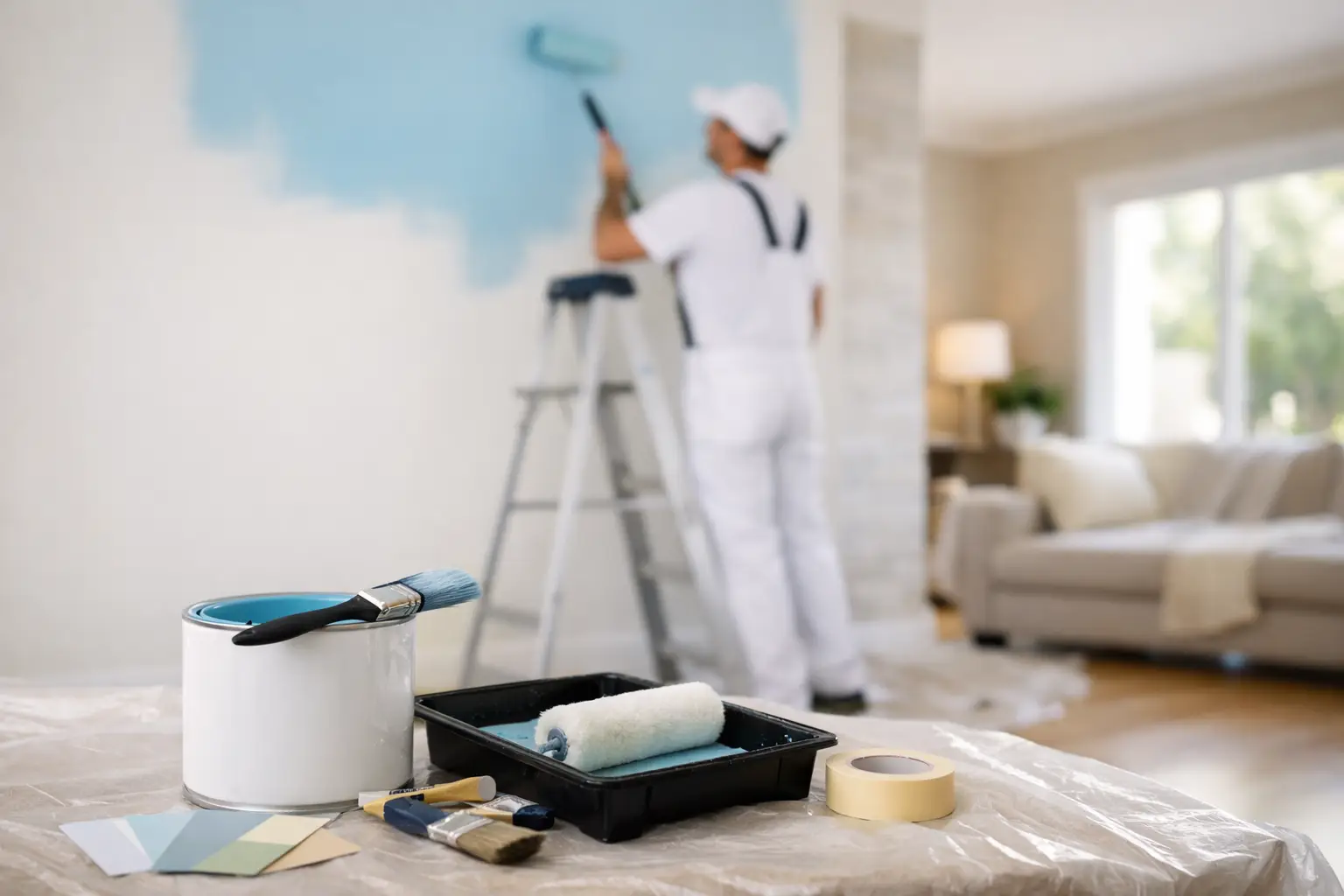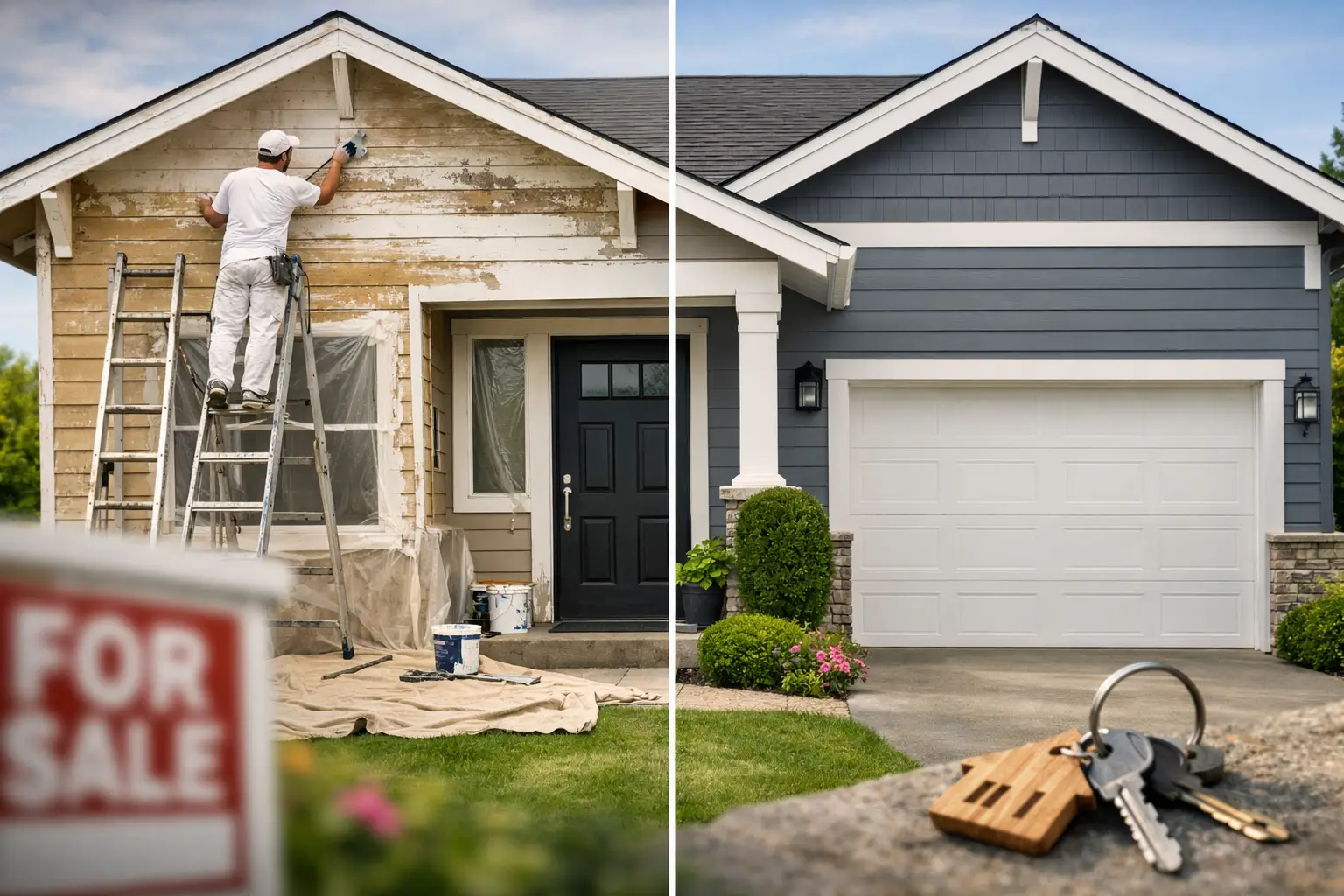

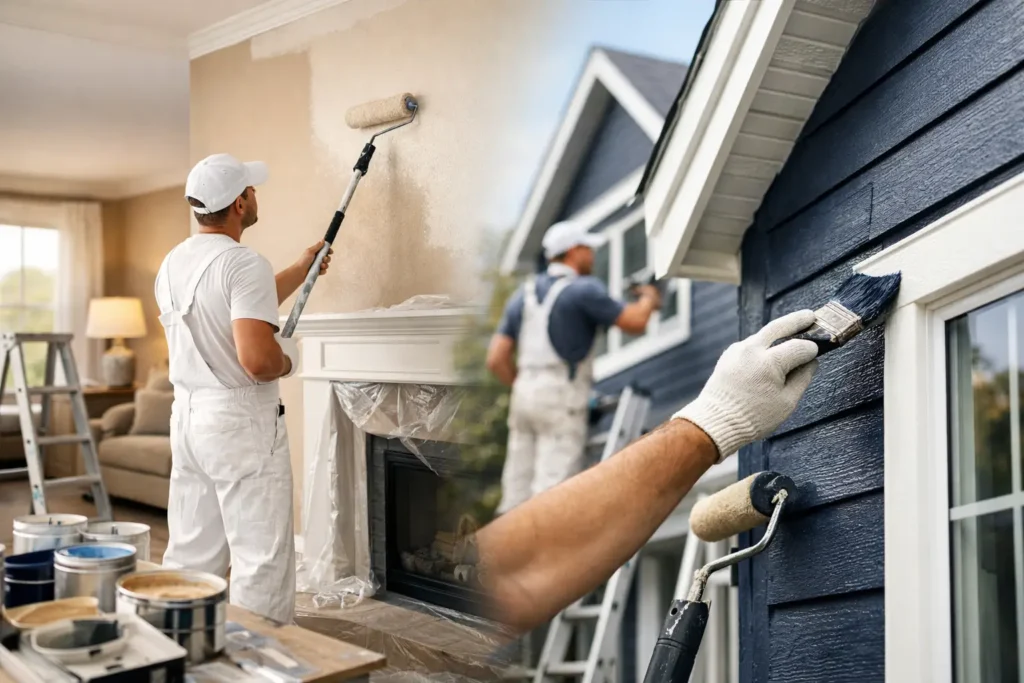
A paint job can make a room look cleaner in a day, but premium interior and exterior painting does much more than change color. It corrects surface flaws, protects your investment, sharpens first impressions, and gives a home or commercial property the kind of finish that still looks right months and years later. That difference comes from preparation, product selection, application skill, and the discipline to treat painting as finish work, not a quick cosmetic upgrade.
For property owners, the real question is not whether fresh paint looks better. It does. The better question is whether the work will hold up under daily wear, seasonal changes, sunlight, moisture, and cleaning. That is where premium work earns its value. A lower-priced paint job often looks acceptable at first, then starts showing lap marks, uneven coverage, early peeling, or poor adhesion around trim, corners, and high-traffic areas. Premium results come from getting the details right before the first coat goes on.
What premium interior and exterior painting really means
Premium painting is not simply the most expensive paint on the shelf. It is a higher standard of execution from start to finish. Inside, that means proper wall repair, careful sanding, clean masking, sharp cut lines, consistent sheen, and finishes that improve the overall feel of the space. Outside, it means understanding how weather exposure affects siding, trim, porches, stucco, masonry, and other materials, then building a coating system that protects them.
There is also a design component. The right paint finish can make a room feel brighter, more modern, warmer, or more refined. On the exterior, the right combination of body color, trim, and accents can improve curb appeal without making the property look overdone. Premium work balances appearance with performance. It should look impressive, but it also needs to be built to last.
Why surface preparation matters more than most people expect
The finish coat gets the attention, but prep work determines whether the result is smooth, durable, and professional. Walls with nail pops, small cracks, patched drywall, old stains, or uneven texture will show through paint unless those issues are addressed first. The same is true outside, where peeling paint, chalky residue, mildew, moisture damage, and failing caulk can compromise the new finish.
Good preparation takes time, and that is exactly why it is often rushed on lower-end projects. Contractors working too fast may skip proper sanding, apply paint over damaged areas, or ignore minor defects that become obvious once the sheen changes under new lighting. Premium painters know that a clean finish starts with a stable surface. That includes patching, sanding, priming where needed, protecting adjacent surfaces, and creating the right conditions for adhesion.
For Pennsylvania properties, preparation is especially important on exteriors. Freeze-thaw cycles, humidity, rain, and strong summer sun all put stress on painted surfaces. If the coating system is applied over weak or damp substrate, the result may fail early even if the paint itself is high quality.
Premium interior and exterior painting for long-term value
A well-painted property is easier to maintain, easier to market, and often more pleasant to live or work in. For homeowners, premium painting can modernize dated spaces without the cost of a full remodel. It can also make new flooring, trim, lighting, and cabinetry look more intentional. For landlords and investors, clean durable finishes help reduce turnover prep and support stronger presentation to tenants or buyers. For small commercial spaces, paint affects how customers perceive cleanliness, professionalism, and brand quality.
That said, not every space needs the exact same level of finish. A formal living room, retail storefront, busy hallway, and utility area all have different priorities. In some rooms, stain resistance and washability matter most. In others, smooth walls and crisp trim define the result. Outside, a historic home may require a more careful approach than a newer property with simpler materials. Premium service means understanding those differences instead of applying the same process everywhere.
Interior painting that improves how a space feels
Interior painting is often treated as decoration, but it has a strong impact on function as well. Sheen affects cleanability. Color influences light reflection. Proper wall repair improves the look of the entire room, even before furniture goes back in place. When trim, doors, ceilings, and walls are finished with consistency, the space feels more complete.
The best interior results usually come from a coordinated approach. If walls are updated but damaged trim is left behind, the room can still feel unfinished. If ceilings are stained or patchy, fresh wall color may only highlight the problem. A premium painter looks at the whole visual field, not just one surface at a time.
There is also value in choosing materials based on how the room is used. Kitchens, bathrooms, hallways, and family rooms need coatings that can handle moisture, traffic, and routine cleaning. Bedrooms and offices may benefit more from appearance and softness of finish. Flat decisions based only on price often lead to repainting sooner than expected.
When interior painting should include repairs
Many painting projects should include light drywall repair, caulking, trim correction, or texture improvement. Hairline cracks around door frames, rough patch marks, corner damage, and settling lines are common in lived-in homes. Painting over them may hide them briefly, but not well. A cleaner final result comes from addressing these flaws before color is applied.
This is one reason experienced remodeling companies often deliver better painting outcomes than paint-only crews on damaged or older interiors. They understand substrates, repair methods, and how paint interacts with the construction underneath.
Exterior painting that protects as much as it impresses
Exterior paint carries a heavier load. It has to resist moisture, UV exposure, dirt, temperature swings, and seasonal expansion and contraction. A good-looking exterior matters, but performance matters more. Once paint begins to peel or moisture gets behind weak areas, repair costs can grow quickly.
Premium exterior painting starts with evaluating the surface. Wood trim may need scraping, sanding, priming, and fresh caulk. Masonry may require different coatings than siding. Older surfaces may need stain-blocking or bonding primers to avoid premature failure. Choosing the wrong product can create problems even when the application looks clean on day one.
Color choice matters outside too, but not only for style. Darker colors absorb more heat. Certain finishes show surface irregularities more than others. Homes with direct sun exposure, heavy shade, or nearby trees may weather differently from one elevation to another. A practical recommendation should take all of that into account.
The trade-off between speed and durability
Exterior painting is one area where shortcuts are expensive. Fast production can reduce labor cost, but it may also mean limited prep, weak edge sealing, rushed dry times, or coatings applied under poor weather conditions. That approach can save money upfront and cost more later.
A premium project may take longer because the schedule respects the materials. Surfaces need to be dry. Repairs need to cure. Coats need proper drying time. Those details are not glamorous, but they are often the reason a finish lasts.
Choosing a contractor for premium painting work
If you are comparing bids, look beyond square footage and total price. Ask how surfaces will be prepared, what repairs are included, which products are being used, how trim and transitions will be handled, and what level of protection will be used for floors, furniture, landscaping, and fixtures. Clear answers usually signal a more reliable process.
Communication matters just as much as craftsmanship. A professional contractor should provide a detailed estimate, explain what is included, set realistic expectations, and keep the project organized from start to finish. That is especially important when painting is part of a larger renovation or when the property is occupied during the work.
Master Builder Home Improvement approaches painting the same way it approaches remodeling – with a focus on clean execution, durable materials, and finishes that add real value to the property. That mindset matters when the goal is not just a fresh look, but a result that feels complete and holds up over time.
Premium painting is one of the most visible improvements you can make to a property, but its real value shows up in the details you do not have to worry about later. When the prep is thorough, the finish is clean, and the materials are chosen for the space, paint stops being a short-term fix and becomes part of the property’s long-term quality.