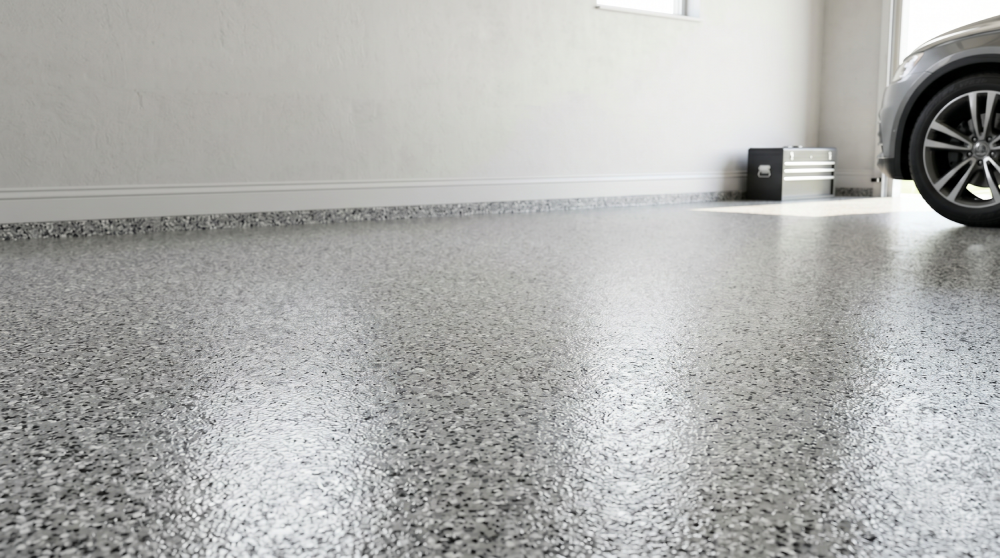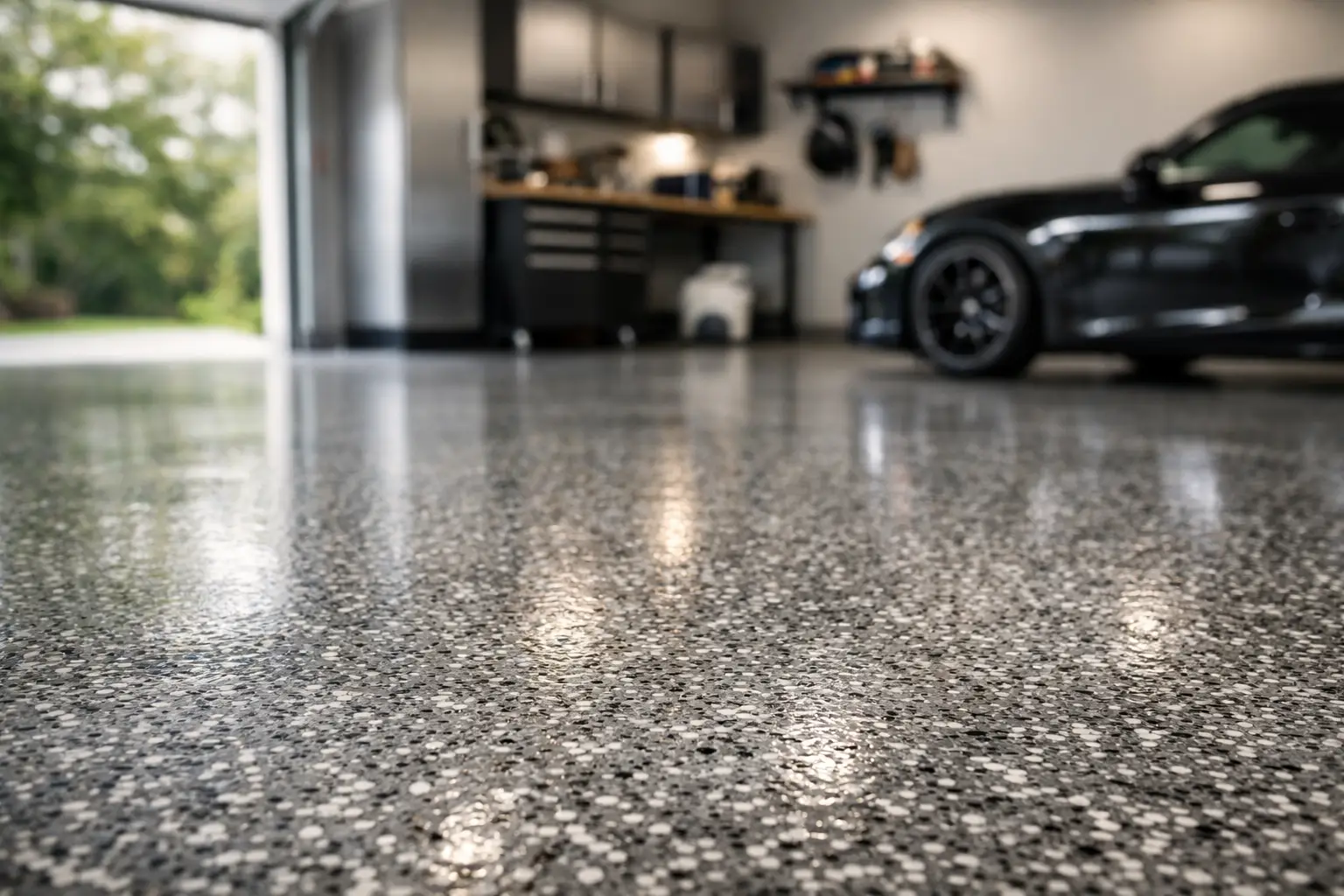

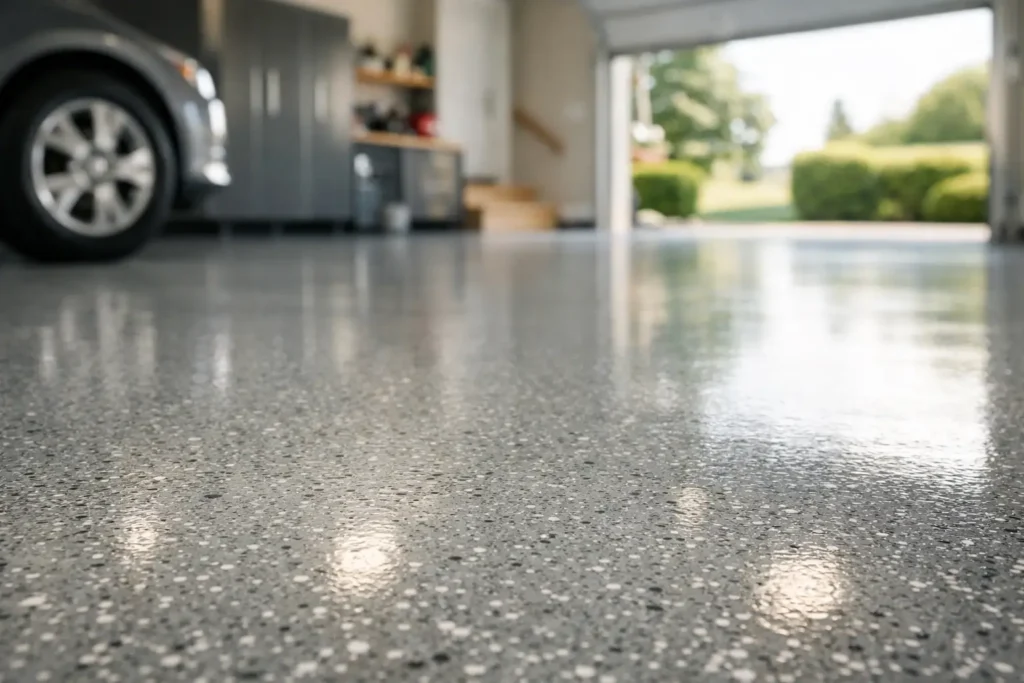
A garage floor that stains easily, a basement that always feels unfinished, or a commercial space that takes constant abuse can quietly pull down the look and function of an entire property. That is where epoxy flooring benefits stand out. When installed correctly, epoxy creates a hard-wearing, attractive surface that protects the concrete underneath while giving the space a cleaner, more finished appearance.
For homeowners and property owners who care about durability, maintenance, and long-term value, epoxy is not just a cosmetic upgrade. It is a practical finish that can improve how a space performs day after day. The real value comes from how it handles traffic, moisture, spills, and wear while still looking sharp.
Why epoxy flooring benefits matter
Concrete on its own is strong, but it is also porous and vulnerable to staining, dusting, cracking, and surface wear over time. In garages, workshops, utility rooms, basements, and many commercial settings, that becomes a real problem. Dirt settles into the surface, oil leaves marks, and routine cleaning never seems to fully restore the floor.
An epoxy coating changes that. It seals and strengthens the surface, creating a finish that is easier to maintain and better suited for demanding spaces. For many property owners, the goal is simple – protect the slab, improve the appearance, and reduce future maintenance.
That said, epoxy is not the right fit for every situation. Surface preparation matters, moisture conditions matter, and the quality of installation makes a major difference in how long the floor lasts. A well-prepared floor can perform for years. A rushed coating job often fails early.
1. Stronger durability for high-traffic areas
One of the biggest epoxy flooring benefits is durability. In spaces that see cars, foot traffic, rolling equipment, storage bins, tools, or constant movement, bare concrete wears down faster than many people expect. Epoxy creates a tougher top layer that helps resist impact, abrasion, and general wear.
That makes it especially useful in garages, home gyms, workshops, utility spaces, and small commercial interiors. Instead of a surface that gradually looks rougher and more neglected, you get a floor designed to hold up under regular use.
Durability does depend on the system being used. A professionally installed epoxy coating with proper prep and the right thickness will perform very differently from a basic DIY kit. If the floor is going to handle heavier use, that extra attention is worth it.
2. Better resistance to stains and spills
Oil, grease, chemicals, road salt, cleaning products, and moisture can all damage or discolor untreated concrete. Once those materials soak in, they are difficult to remove completely. Epoxy helps by creating a protective barrier over the slab.
For homeowners, this is a major advantage in garages and basements. For commercial spaces, it can help maintain a more professional appearance even when the floor is exposed to routine messes. In many cases, spills stay on the surface long enough to be cleaned up before they become permanent stains.
It is still smart to clean spills promptly, especially if harsh chemicals are involved. Epoxy is resistant, not indestructible. But compared with raw concrete, it gives you a much more forgiving surface.
3. Easier cleaning and lower maintenance
A floor can look good on installation day and still become frustrating if it is hard to maintain. This is another area where epoxy performs well. Because the finish is sealed and non-porous, dust, dirt, and debris stay closer to the surface instead of settling deep into the concrete.
That means routine cleaning is simpler. Sweeping is more effective, and mopping does not feel like a losing battle. In garages and utility areas, that can make the entire space feel more usable. In commercial settings, it helps support a cleaner, more polished environment for employees and customers.
Lower maintenance does not mean no maintenance. Floors still need regular care, and some finishes may show dirt more than others depending on color and gloss level. But overall, epoxy reduces the effort required to keep the space looking presentable.
4. A cleaner, more finished appearance
Some upgrades are purely cosmetic. Epoxy is not, but its visual impact is hard to ignore. A professionally coated floor can completely change how a room feels. What used to look unfinished, dull, or industrial can start to feel intentional and well-designed.
This matters in more places than people realize. A garage with a clean epoxy floor feels more like an extension of the home. A basement can look brighter and better maintained. In commercial environments, the floor helps support a stronger first impression.
Design options also make epoxy more flexible than many people expect. Solid colors, decorative flakes, and different gloss levels can be selected based on the style of the property and how the space is used. The right finish should match the environment, not overpower it.
5. Improved light reflection in the space
A brighter floor can make a room feel larger, cleaner, and more modern. Many epoxy finishes, especially those with a higher gloss, reflect light better than bare concrete. That can improve visibility in garages, work areas, storage rooms, and commercial interiors.
In practical terms, this can make a space more comfortable to use. Better reflection helps support task lighting and can reduce the dim, unfinished look common in basements and garages. For business owners, a brighter floor can also contribute to a cleaner-looking facility without major structural changes.
Of course, not every client wants a high-gloss finish. Some prefer a more understated appearance, and there are systems that support that look as well. The benefit is having control over both performance and style.
6. Added protection for the concrete underneath
Concrete repair can become expensive when damage is ignored for too long. Cracks, surface erosion, moisture issues, and chemical exposure can shorten the life of a slab and create a more costly project later. One of the long-term epoxy flooring benefits is that it helps protect the concrete itself.
By sealing the surface, epoxy reduces direct exposure to wear and contaminants. That helps preserve the slab and slow down the kind of surface deterioration that often affects garages, utility spaces, and work areas.
This does not mean epoxy will fix serious structural concrete problems. If the slab has major cracking, moisture vapor issues, or movement, those conditions need to be addressed before coating. The best results come when the floor is evaluated honestly and prepared the right way from the start.
7. Good value over time
Cost matters, but so does lifecycle value. A cheaper floor solution that fails early or needs constant upkeep is not always the better investment. Epoxy often makes sense because it combines protection, appearance, and performance in one system.
For homeowners preparing to enjoy the property long term, that means fewer headaches and a stronger finish in spaces that usually get overlooked. For landlords, investors, and small commercial owners, it can support a cleaner presentation and reduce wear-related maintenance between tenants or over years of use.
The upfront price will vary based on floor condition, square footage, design, and the coating system selected. Heavier prep, crack repair, and custom finishes will increase the cost. Even so, a professionally installed epoxy floor often delivers solid value because it addresses both function and appearance at the same time.
8. More versatility than many people expect
Epoxy is often associated with garages, and for good reason. It performs extremely well there. But its benefits extend beyond that single use. Basements, laundry rooms, utility rooms, workshops, showrooms, storage areas, and certain commercial interiors can all be good candidates.
That versatility makes it attractive for property owners who want consistency and durability across different spaces. In Pennsylvania, where seasonal moisture, road salt, and temperature changes can be hard on entry-level floor surfaces, choosing a coating built for real use can be a smart move.
Still, the right system depends on the environment. A residential garage may need decorative flakes and chemical resistance, while a light commercial area may need a different texture or wear profile. The best result comes from matching the coating to the demands of the space.
9. Safer options are available when needed
People sometimes assume a smooth coated floor will automatically be slippery. The truth is more nuanced. Finish texture, gloss level, and additives all affect traction. If slip resistance is a concern, especially in workspaces or areas where moisture may be present, the coating system can be adjusted to improve footing.
That is one reason professional planning matters. A floor should not just look good in photos. It should perform for the people using it every day. The right balance between cleanability, appearance, and slip resistance depends on the room and how it functions.
Choosing epoxy for the right reasons
The best projects start with clear priorities. If you want a surface that looks better, cleans easier, and stands up to harder use, epoxy is a strong option. If the concrete is already failing or moisture problems are present, those issues should be handled before any coating goes down.
Quality preparation is what separates a floor that lasts from one that peels, bubbles, or wears unevenly. Surface grinding, repairs, moisture evaluation, and product selection all matter. That is why property owners who value premium finishes and dependable performance usually benefit from working with an experienced installer rather than treating epoxy like a quick paint job.
A well-finished floor changes the way a space feels every time you walk into it. It looks cleaner, works harder, and adds the kind of practical value that holds up long after the project is complete.