
If your kitchen still looks like a copy of every gray-and-white remodel from the last decade, 2026 is bringing a noticeable shift. Kitchen design trends 2026 are moving toward spaces that feel warmer, work harder, and hold up better over time. Homeowners are still investing in style, but the bigger priority is performance – better storage, more durable surfaces, cleaner finishes, and layouts that support real daily use.
That matters if you are planning a remodel for long-term value rather than a quick visual update. Trends come and go, but the right kitchen improvements should make the room easier to live in, easier to maintain, and more appealing to future buyers. The strongest direction for 2026 is not flashy. It is thoughtful.
Kitchen design trends 2026 are getting warmer
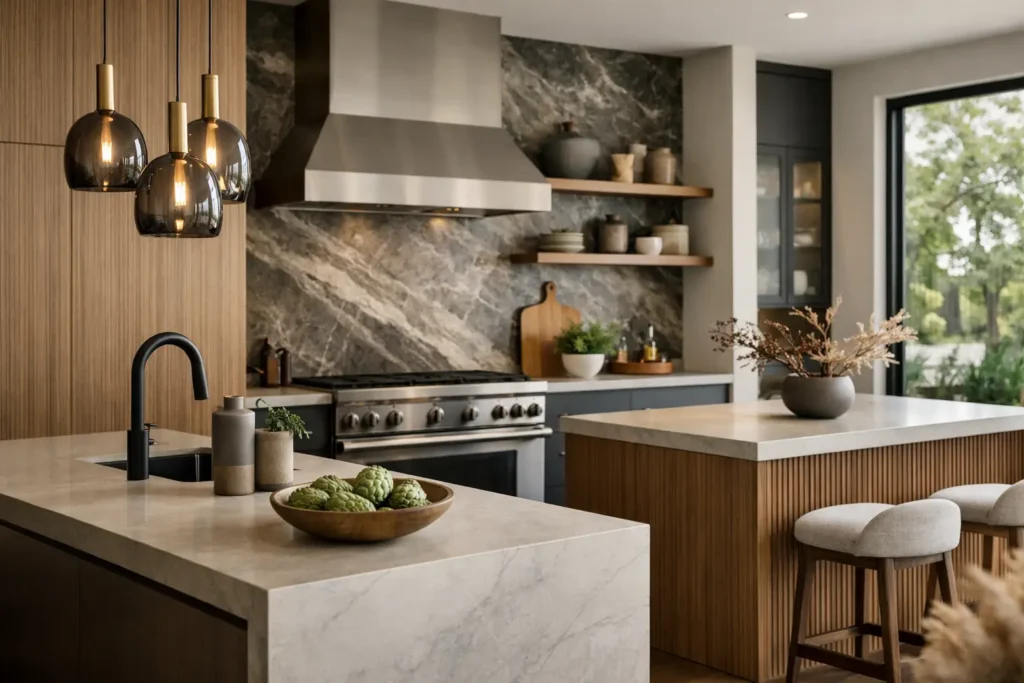
Cool-toned kitchens are losing ground. In their place, we are seeing warmer wood grains, softer paint colors, muted earth tones, and finishes that make a kitchen feel grounded instead of sterile. Natural oak, walnut-inspired cabinetry, mushroom tones, clay neutrals, and creamy off-whites are replacing the sharper contrast of bright white cabinets and dark accents.
This shift is not just about appearance. Warm palettes tend to age better because they are less tied to a specific design cycle. They also make large kitchens feel more inviting and smaller kitchens feel less harsh. For many homes, especially older Pennsylvania properties with character already built into the architecture, a warmer kitchen often looks more connected to the rest of the house.
That said, warm does not mean dark or heavy. The best executions still rely on balance. A medium wood island with painted perimeter cabinets can bring warmth without overwhelming the room. The goal is comfort with refinement.
More texture, less flat uniformity
One of the clearest kitchen design trends 2026 is the move away from perfectly flat, one-note surfaces. Homeowners still want clean lines, but they also want depth. That is showing up in reeded wood details, subtle plaster-style finishes, textured backsplashes, handmade-look tile, and cabinetry with more visual character.
This is where craftsmanship matters. Texture can elevate a kitchen, but only when the finish work is sharp. Uneven reveals, rough paint transitions, or poorly installed tile stand out more in a design that depends on detail. Premium finishes need professional execution to look intentional rather than unfinished.
There is also a practical side to this trend. Textured materials can hide everyday wear better than slick, high-gloss surfaces. Fingerprints, smudges, and small scuffs tend to show less, which is useful in busy family kitchens or rental properties where durability matters.
Storage is becoming a design feature
For years, storage was treated as a behind-the-scenes upgrade. In 2026, it is becoming central to kitchen planning. Homeowners want fewer cluttered counters and better internal organization, which means the cabinet layout matters just as much as the cabinet color.
Deep drawer systems, vertical tray storage, hidden charging areas, appliance garages, pull-out pantry units, and custom dividers are all gaining attention. The reason is simple. A beautiful kitchen loses value fast if it does not function well.
This is one area where trend and practicality are fully aligned. Better storage improves daily life immediately. It also helps a kitchen look cleaner, because small appliances, food containers, and everyday mess have a proper place. If the remodel budget is limited, investing in smart cabinet design often pays off more than adding another decorative upgrade.
Mixed materials are replacing exact matches
Perfectly matched kitchens can feel too controlled. One of the stronger shifts in kitchen design trends 2026 is the use of mixed materials that bring contrast without looking disconnected. You might see painted upper cabinets with wood base cabinets, a natural stone-look countertop paired with a plaster-toned backsplash, or matte metal fixtures against warmer organic surfaces.
This approach gives a kitchen more personality, but it has to be handled carefully. Mixing too many finishes can make the room feel busy. The strongest kitchens usually anchor the design with two dominant materials and one accent. That creates interest while keeping the space cohesive.
For property owners thinking about resale, this trend is worth watching. A well-balanced mix of materials can make a kitchen feel custom and high-end. A poorly balanced mix can date the space quickly. The difference is in proportion, finish quality, and restraint.
Durable surfaces are taking priority over delicate luxury
There is still demand for premium kitchens, but the definition of luxury is changing. Homeowners are asking tougher questions about maintenance, repairability, and wear. In other words, surfaces need to look impressive and perform under pressure.
Quartz remains popular because it offers consistency, durability, and easy care. Large-format porcelain is also gaining traction for backsplashes and even countertops because it delivers a clean, upscale look with strong stain and heat resistance. Wood accents are still in demand, but they are being used more selectively in areas where they can age well.
This trend reflects a more informed customer. People want quality they can trust, not materials that look great for six months and then become a maintenance issue. In high-use kitchens, durability is part of the design, not a separate concern.
Statement lighting is more architectural now
Pendant lights are not going away, but they are becoming more intentional. Instead of oversized fixtures chosen only for style, 2026 kitchens are leaning toward lighting that feels integrated with the architecture of the room. That includes slimmer profiles, softer shapes, layered under-cabinet lighting, and decorative fixtures that support the overall design instead of dominating it.
Good lighting has a direct effect on how finishes look. It can make a backsplash appear richer, help wood tones feel warmer, and improve task visibility at prep areas. In a remodel, lighting should never be left as the final cosmetic decision. It should be planned early, especially if the kitchen layout is changing.
A kitchen with premium surfaces and poor lighting will never perform at its best. On the other hand, a well-lit kitchen often feels more expensive, even when the material palette is relatively simple.
Islands are still important, but they need purpose
The oversized kitchen island is no longer automatic. Homeowners still want islands, but the question is shifting from how big can it be to what should it do. In many remodels, the better answer is a more efficient island with seating, storage, and clear circulation around it.
This is especially important in older homes where square footage is limited. Forcing a large island into the room can hurt workflow and make the kitchen feel tighter. A well-proportioned island that supports prep, casual dining, and storage will add more value than one that simply takes up space.
Waterfall edges, furniture-style details, and mixed-color islands remain popular, but functionality is leading the decision. If an island blocks movement or crowds appliances, the design is not working no matter how attractive it looks.
Personalization is back, but in a controlled way
After years of heavily standardized kitchens, homeowners want spaces that feel more individual. That does not mean bold colors everywhere or highly specific design choices that hurt resale. It means adding personality through finish selection, texture, hardware, shelving details, and subtle contrast.
A custom range hood treatment, a handcrafted tile pattern, a built-in coffee station, or a unique plaster-style accent wall can give the kitchen identity without overwhelming it. This is where a skilled remodeling partner can add real value. The right detail can make a kitchen memorable. The wrong one can feel trendy for a season and dated soon after.
The best personalization choices are tied to how you live. If you cook often, prioritize prep space and durable surfaces. If you host, invest in seating and flow. If the kitchen is part of an open-concept area, choose materials that connect naturally with nearby rooms.
What homeowners should take from kitchen design trends 2026
The biggest takeaway is that design is becoming more practical, not less. Homeowners are still choosing premium finishes, but they are expecting those finishes to earn their place through durability, comfort, and long-term value. That is a smart shift.
For anyone planning a remodel, the best results will come from filtering trends through the realities of the home. Ceiling height, natural light, family size, storage needs, and traffic flow all matter. A trend that works beautifully in a custom new build may not be the right solution for a busy family kitchen in an older home.
At Master Builder Home Improvement LLC, that balance between design and execution is what makes the difference. A kitchen should look current, but it should also be built to last and made to impress.
If you are considering a kitchen update in 2026, focus less on what photographs well for a moment and more on what will still feel solid, functional, and well-finished years from now. That is the kind of design trend worth following.