
Your garage floor tells the truth about how the space is used. Hot tires, road salt, dropped tools, oil spots, moisture, and constant foot traffic will quickly expose the difference between a basic coating and a professional system. If you are comparing the best epoxy flooring for garage use, the right answer is not just about color or shine. It comes down to how the floor is prepared, what materials are used, and how well the system fits the way you actually use the space.
For some homeowners, the goal is a clean, bright floor that makes the garage feel finished. For others, it is about chemical resistance, impact durability, and easier maintenance. Both are valid, but they do not always point to the same product. A floor that looks great in a light-duty garage may not hold up the same way in a workshop, a rental property, or a space that sees snow, slush, and salt through a Pennsylvania winter.
What makes the best epoxy flooring for garage spaces?
The best epoxy flooring for garage areas is usually a full coating system rather than a single product. That system often includes mechanical surface preparation, crack and surface repair, a primer or moisture-tolerant base layer, the epoxy build coat itself, optional decorative flakes or quartz, and a protective topcoat such as polyaspartic or polyurethane.
That matters because epoxy performs best when it bonds deeply to properly prepared concrete. If the slab is dirty, smooth, weak at the surface, or holding moisture, even a high-end coating can fail. Peeling, hot tire pickup, bubbling, and uneven wear are usually signs of poor prep or the wrong system, not just a bad color choice.
A good garage floor coating should do four things well. It should bond tightly to the concrete, resist chemicals and abrasion, stay easy to clean, and maintain a clean finished look over time. When one of those areas is compromised, the floor often becomes a short-term cosmetic fix instead of a real upgrade.
Not all epoxy garage floors are the same
Many property owners start by searching for epoxy, but the market includes several very different categories. Water-based epoxy is often the most budget-friendly, but it is also thinner and generally less durable. It can work for very light residential use, though it usually does not offer the same build, depth, or lifespan as stronger systems.
Solvent-based and 100 percent solids epoxy coatings create a thicker, more durable surface. These systems are better suited for garages that see regular vehicle traffic, tool use, storage movement, and seasonal moisture. A thicker build usually means better impact resistance and a more substantial finish, but it also requires more skill to install correctly.
Then there is the topcoat question. Many of the best-looking and longest-lasting garage floors combine epoxy for build and adhesion with a polyaspartic or polyurethane topcoat for UV stability, stain resistance, and easier maintenance. That hybrid approach often delivers better long-term performance than epoxy alone, especially in garages with direct sunlight or frequent use.
How to choose the right system for your garage
The right floor depends on how the space functions. If your garage is mainly for parking two vehicles and storing household items, a decorative flake epoxy system with a durable topcoat is often the most balanced choice. It hides dust well, adds texture, and gives the floor a finished, premium appearance.
If the space is used as a workshop, home gym, or active utility area, resistance matters more than appearance alone. In that case, a thicker coating system with a heavier-duty topcoat may be the better investment. You may also want a texture level that improves traction without making the floor hard to mop.
If your concrete already has cracks, spalling, or past coating failures, that needs to be addressed before choosing a finish. A premium coating can only perform as well as the slab beneath it. Professional repairs and grinding are not extras. They are part of what separates a floor that lasts from one that starts failing at the edges within a year or two.
Best epoxy flooring for garage style and performance
A garage floor should look clean, but appearance should support performance rather than compete with it. Solid color epoxy can create a sleek, modern look, especially in garages attached to newer homes or higher-end remodels. The trade-off is that solid colors tend to show dust, scratches, and tire marks more easily.
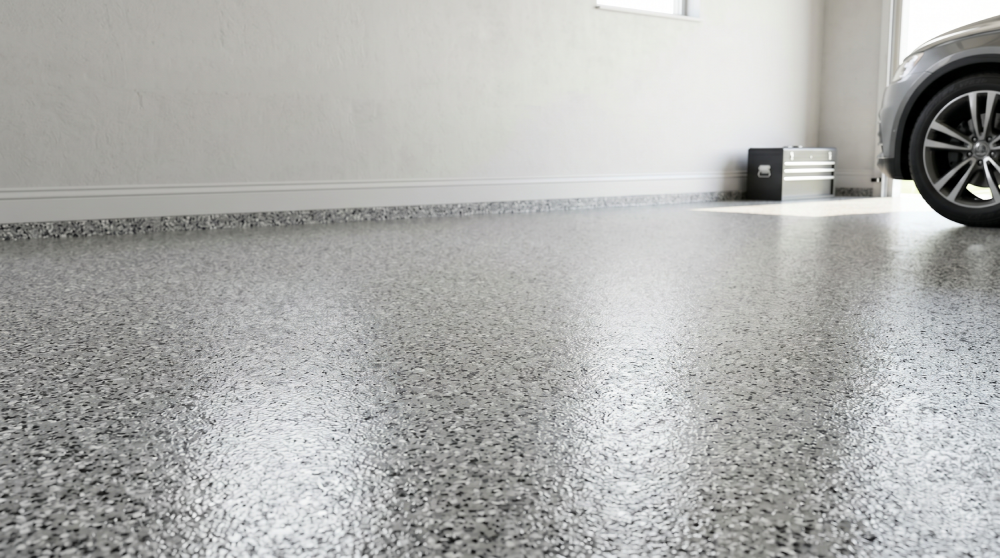
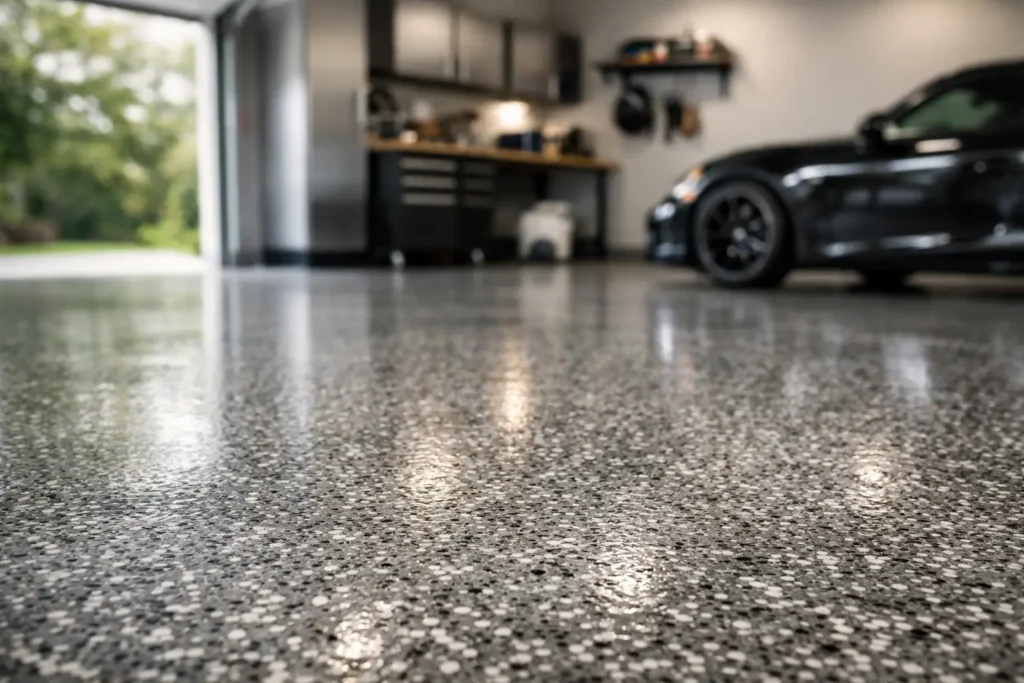
Decorative flake systems are often the most practical choice for residential garages. They add visual depth, help disguise everyday debris, and create a more refined finish. The flake blend can be subtle and neutral or bolder and more contemporary, depending on the style of the home.
Quartz systems offer additional texture and durability, but they are usually more common in commercial or industrial settings. For most homeowners, full flake epoxy with a quality topcoat provides the best balance of appearance, durability, and maintenance.
Gloss level also matters. High-gloss floors reflect light well and can make the entire garage feel brighter and cleaner. At the same time, satin or lower-sheen topcoats may better hide wear in busy spaces. There is no one right answer here. It depends on whether you prioritize a showroom look or a more forgiving everyday finish.
The biggest mistake homeowners make
The most common mistake is shopping by kit price instead of system quality. A low-cost DIY kit may look appealing at first, but many of those products go down thin and rely on acid etching instead of true mechanical preparation. That can lead to weak adhesion, uneven coverage, and short service life.
Another issue is moisture. Garage slabs can hold or transmit moisture even when they look dry. If that moisture is not tested and managed correctly, coatings can blister or delaminate. In areas with freeze-thaw cycles, road salt, and seasonal humidity, this becomes even more important.
The second big mistake is assuming every installer is offering the same product. Two estimates may both say epoxy floor, but the actual scope can be very different. Surface grinding, crack repair, material solids content, topcoat quality, and warranty terms all affect long-term value.
What professional installation really adds
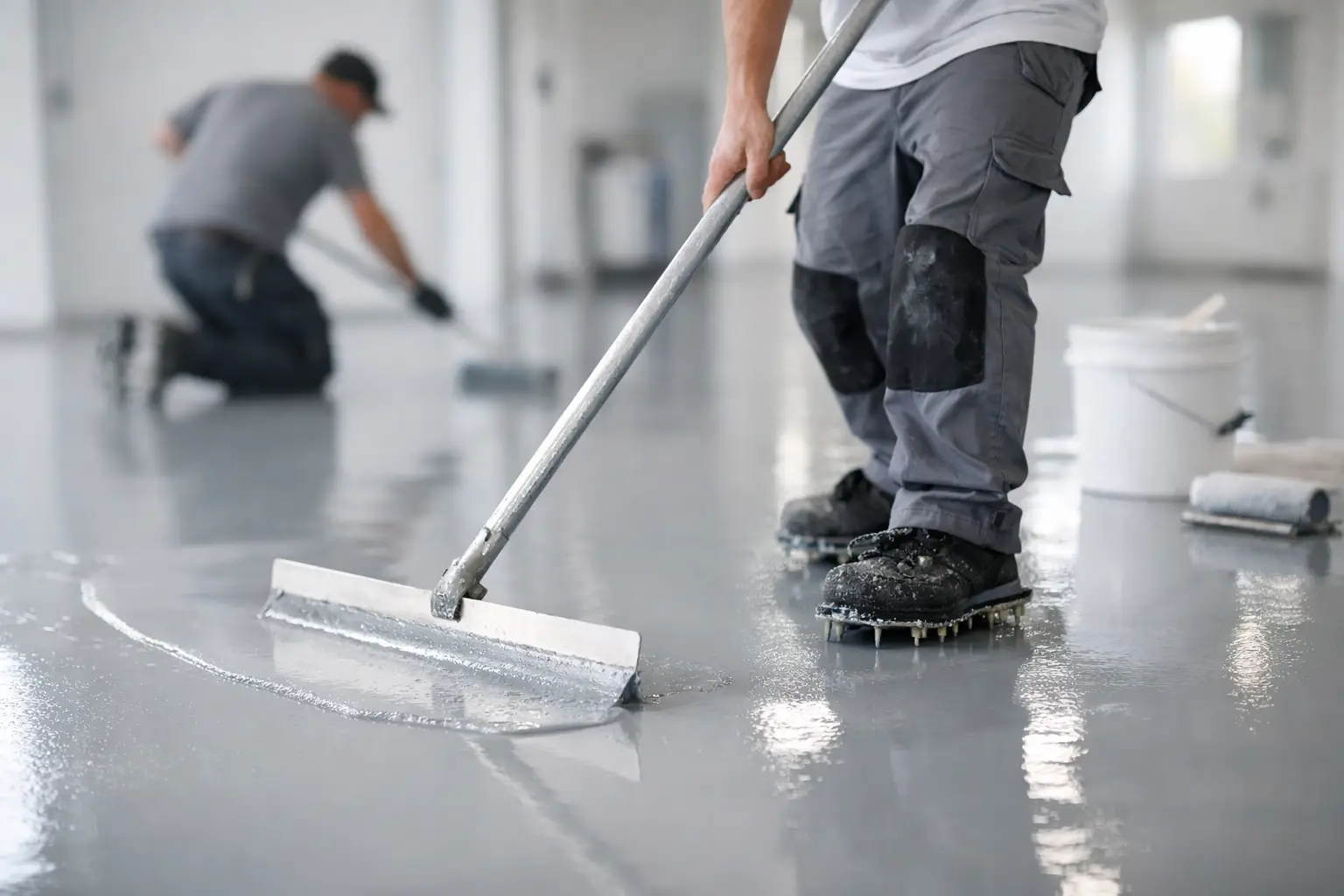
A professionally installed epoxy garage floor is not just about labor. It is about process control. Surface prep is measured, repairs are handled correctly, material mix ratios are consistent, and the floor is built in layers designed to work together.
That is where craftsmanship makes a visible difference. Clean cut lines, even flake distribution, proper cure times, and a smooth topcoat all contribute to a floor that feels finished rather than coated. The result is not only stronger under daily use, but also more aligned with the rest of a well-maintained home.
For homeowners who care about long-term value, this matters. A garage is often one of the largest unfinished surfaces in the house. Treating it like a functional extension of the property can improve durability, appearance, and overall presentation. Built to last. Made to impress.
How long should a garage epoxy floor last?
A professionally installed garage epoxy system can last for many years, but lifespan depends on use, prep quality, and the materials selected. Light-duty floors may stay in good shape for a long time with basic care. Heavier-use spaces will naturally show wear sooner, especially if they see frequent tool drops, metal equipment, or turning tires.
Maintenance is usually simple. Sweep regularly, clean spills promptly, and avoid letting harsh chemicals sit for long periods. In most cases, the floor will be far easier to maintain than bare concrete, which tends to absorb stains and create constant dust.
Topcoats also affect longevity. A strong protective top layer can help preserve color, improve scratch resistance, and reduce wear in traffic paths. That added protection often pays off over time, especially in garages that are used every day rather than occasionally.
Is epoxy the best choice for every garage?
Not always. Some garages are better served by polyaspartic-heavy systems or other specialty coatings, especially when cure time, temperature conditions, or UV exposure are major concerns. Still, epoxy remains one of the most trusted options for building a durable, attractive garage floor when the system is selected properly.
For most homeowners, the best choice is a professionally designed floor that matches the condition of the concrete and the demands of the space. That is why a detailed estimate and honest product recommendation matter more than a generic package. A good contractor should explain what your slab needs, what finish makes sense, and where spending more truly adds value.
If you want the best epoxy flooring for garage performance, think beyond the bucket of coating. Focus on prep, material quality, and the finish system as a whole. A garage floor should do more than look better for a few months. It should protect the concrete, clean up easily, and give the space a stronger, more finished feel every time you open the door.
The right floor does not just upgrade the garage. It raises the standard of the entire property.