
A small bathroom shows every decision you make. If the layout feels cramped, the storage is weak, or the finishes look dated, the whole room feels harder to use than it should. The best small bathroom remodel ideas do not rely on gimmicks. They focus on better function, cleaner lines, durable materials, and smart design choices that make the room feel more open while still holding up to daily use.
When space is limited, every inch has a job to do. That means the remodel should start with priorities, not just product picks. In most bathrooms, those priorities are storage, lighting, layout, moisture resistance, and easy-to-clean finishes. Get those right, and even a compact room can feel polished, modern, and valuable.
Small bathroom remodel ideas that improve function first
A good remodel starts by solving the problems that make the bathroom frustrating now. That might be a vanity that blocks movement, a tub nobody uses, poor lighting at the mirror, or finishes that show wear too quickly. Design matters, but in a small bathroom, function usually has the biggest impact.
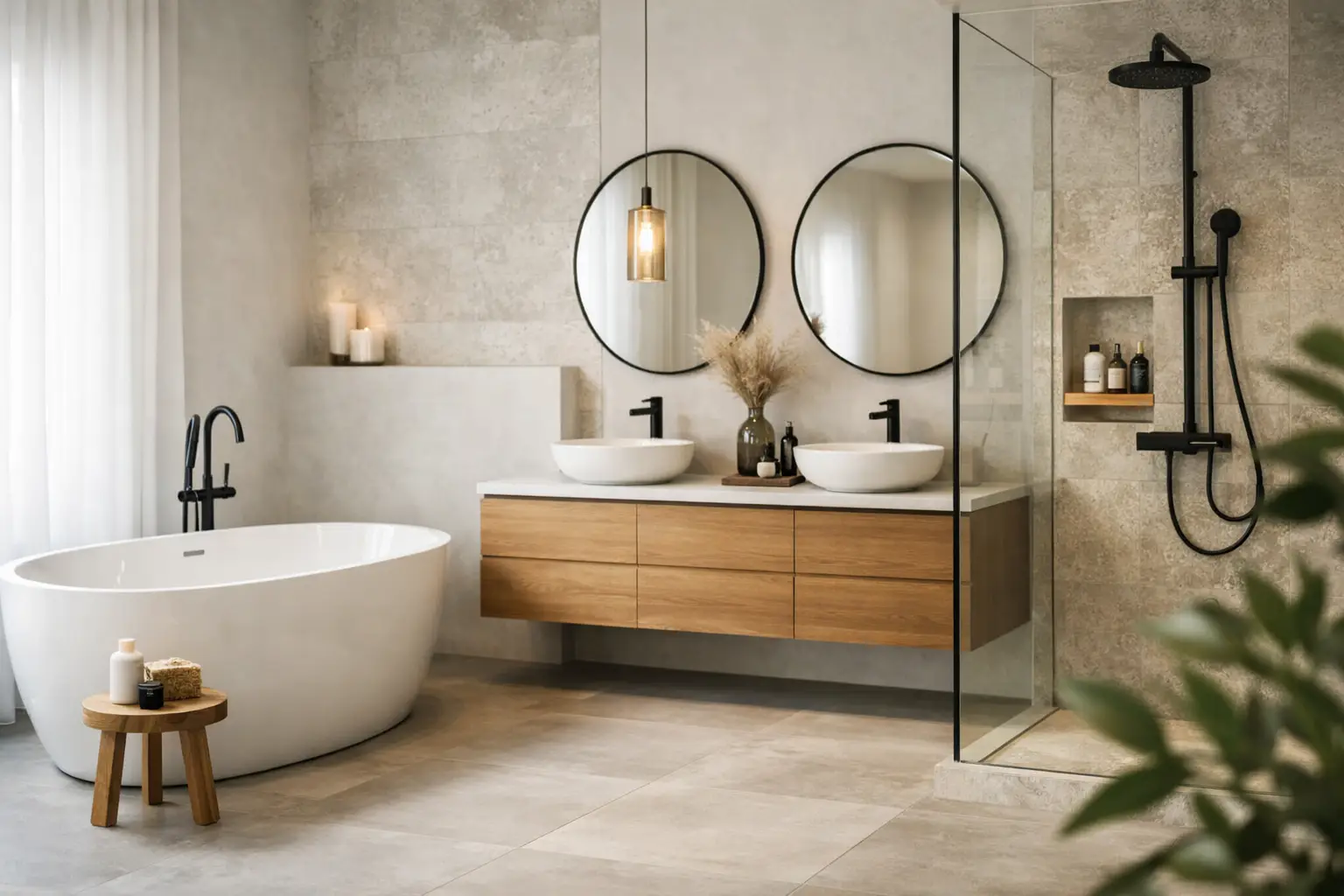
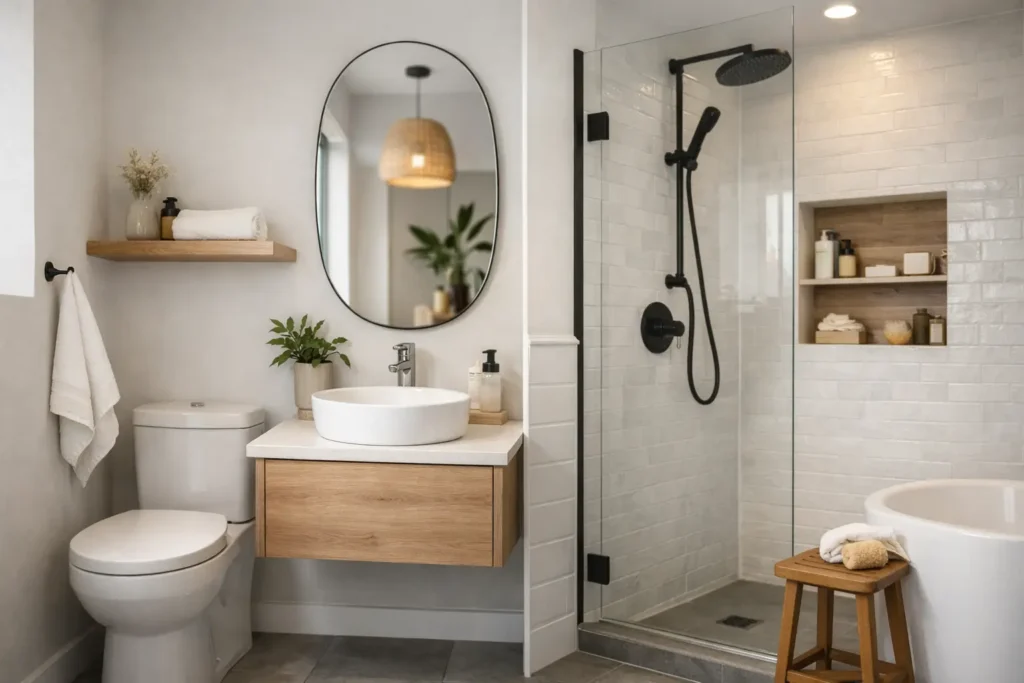
One of the strongest upgrades is replacing a bulky vanity with a floating vanity or a narrower cabinet that still offers real storage. A floating vanity opens floor space visually, which helps the room feel larger. A furniture-style vanity can add character, but it has to be sized carefully. In a tight bathroom, oversized vanities often create more stress than storage.
Another smart move is rethinking the tub-shower setup. If the bathroom serves a guest room, powder room, or adults-only household, removing an unused tub in favor of a walk-in shower can completely change the room. A glass enclosure keeps the sightline open, while a low-threshold entry improves accessibility. If the home needs at least one tub for resale or family use, then the better option may be keeping the tub in another bathroom and making this one shower-focused.
Wall-mounted toilets, recessed medicine cabinets, and built-in shower niches also matter more in a small room than they do in a large one. These details do not just look clean. They help reclaim space without making the room feel crowded with add-ons.
Use the layout to create space, not just style
Many homeowners look at tile, paint, and fixtures first, but layout is usually where the biggest gains come from. A few inches in the right place can improve traffic flow, storage, and comfort more than a luxury finish ever will.
If the bathroom door swings inward and collides with the vanity or toilet, changing to a pocket door or an out-swing door can free up valuable floor area. Not every wall can accommodate a pocket door, so this depends on framing, plumbing, and electrical conditions. But when it works, it can make a tight bathroom feel much easier to use.
Moving plumbing can create better results, but it also increases cost. That is where experience matters. Sometimes keeping the toilet in place and changing the vanity depth delivers enough improvement without turning the project into a full rough-in rework. Other times, especially in older homes, the existing layout wastes so much room that relocating fixtures is worth the investment. The right answer depends on the room, the condition of the plumbing, and the long-term goals for the property.
Material choices matter more in small bathrooms
In a compact space, every finish is close-up. You notice grout lines, uneven transitions, cheap trim, and low-grade fixtures right away. That is why material selection should balance appearance with durability.
Large-format tile is one of the most reliable small bathroom remodel ideas because it reduces visual clutter. Fewer grout lines help the room feel cleaner and more open. Porcelain is often the best choice for floors and wet areas because it is dense, durable, and easier to maintain than more delicate materials. Natural stone can look excellent, but it usually requires more upkeep and may not be the best fit for every household.
For shower walls, full-height tile creates a more finished look and offers better moisture protection than a basic surround. It also gives you more control over the style of the space, whether you want a modern matte finish, a marble-look porcelain, or a more classic subway tile pattern. The cleaner the installation, the more premium the room will feel.
Quartz vanity tops are another strong choice. They resist moisture well, hold up to daily use, and provide a clean, refined finish. In small bathrooms, the difference between an average top and a well-finished quartz surface is noticeable because the vanity becomes such a central visual feature.
Lighting can make or break the room
Poor lighting makes even a freshly remodeled bathroom feel smaller and less finished. Good lighting creates depth, supports daily routines, and highlights the quality of the work.
A single ceiling light in the center of the room is rarely enough. Layered lighting performs better. Recessed ceiling lights provide general illumination, while vertical sconces or integrated mirror lighting improve visibility at the sink. This matters for shaving, makeup, grooming, and everyday use, but it also changes how the room reads visually.
Color temperature matters too. A clean, neutral white light usually works best in bathrooms because it feels bright without turning harsh or sterile. Warm light can be inviting, but if it is too yellow, it can make a crisp new bathroom look dated.
If there is an opportunity to enlarge a window or improve natural light while maintaining privacy, that can be one of the most valuable upgrades in the room. Frosted glass, privacy film, and properly placed windows can bring in daylight without sacrificing comfort.
Storage should be built in, not forced in later
One reason small bathrooms become messy so quickly is that they were never given enough storage to begin with. If the remodel adds style but leaves no place for towels, toiletries, and cleaning supplies, the room will never feel finished.
Recessed medicine cabinets are one of the best ways to add storage without stealing space. They keep daily essentials close at hand and maintain a clean wall profile. Shower niches do the same in wet areas, eliminating the need for hanging caddies or corner racks.
Open shelving can work, but only when it is used carefully. In a small bathroom, too many exposed items create visual noise. Closed vanity storage usually performs better because it keeps the room looking organized. If open shelves are added, they should be limited and styled with restraint.
Over-the-toilet cabinets and freestanding storage towers can help, but they often feel like afterthoughts. Built-in storage almost always creates a stronger result because it looks intentional and fits the room more precisely.
Color and finish choices that help a small bathroom feel bigger
Light colors still work well in small bathrooms, but the goal is not to make the room look plain. The goal is to create a clean, cohesive finish that reflects light and reduces visual interruption.
Soft whites, warm grays, muted greiges, and light earth tones tend to perform well because they make the room feel brighter without looking cold. A monochromatic palette can also help. When the floor, wall tile, vanity, and paint all work within a tight range, the eye moves through the space more smoothly.
That said, small does not always mean all-white. A darker vanity, textured wall finish, or bold floor tile can look excellent when balanced with enough light and simpler surrounding materials. Powder rooms often give you more freedom to be dramatic. Full bathrooms usually benefit from a more restrained approach because they handle more daily traffic and moisture.
Hardware and plumbing trim should also be chosen with consistency in mind. Matte black, brushed nickel, polished chrome, and warm brass can all work, but mixing too many finishes in a small space tends to look busy. Clean coordination usually feels more premium.
The best remodels balance appearance with long-term value
A small bathroom remodel should look better on day one, but it also needs to perform for years. That means waterproofing behind the tile, proper ventilation, quality fixture installation, and clean finish work all matter as much as the visible design.
A powerful exhaust fan is not the most exciting purchase in the room, but it protects paint, drywall, trim, and framing from moisture damage. The same is true for proper substrate preparation behind tile and careful sealing around wet areas. These are the details that separate a quick cosmetic upgrade from a professional remodel built to last.
For homeowners planning to sell, rent, or improve long-term property value, the safest investments are usually the ones that combine broad appeal with durable execution. Clean tile work, modern lighting, efficient storage, updated plumbing fixtures, and a better layout offer a stronger return than trend-heavy design choices that may not age well.
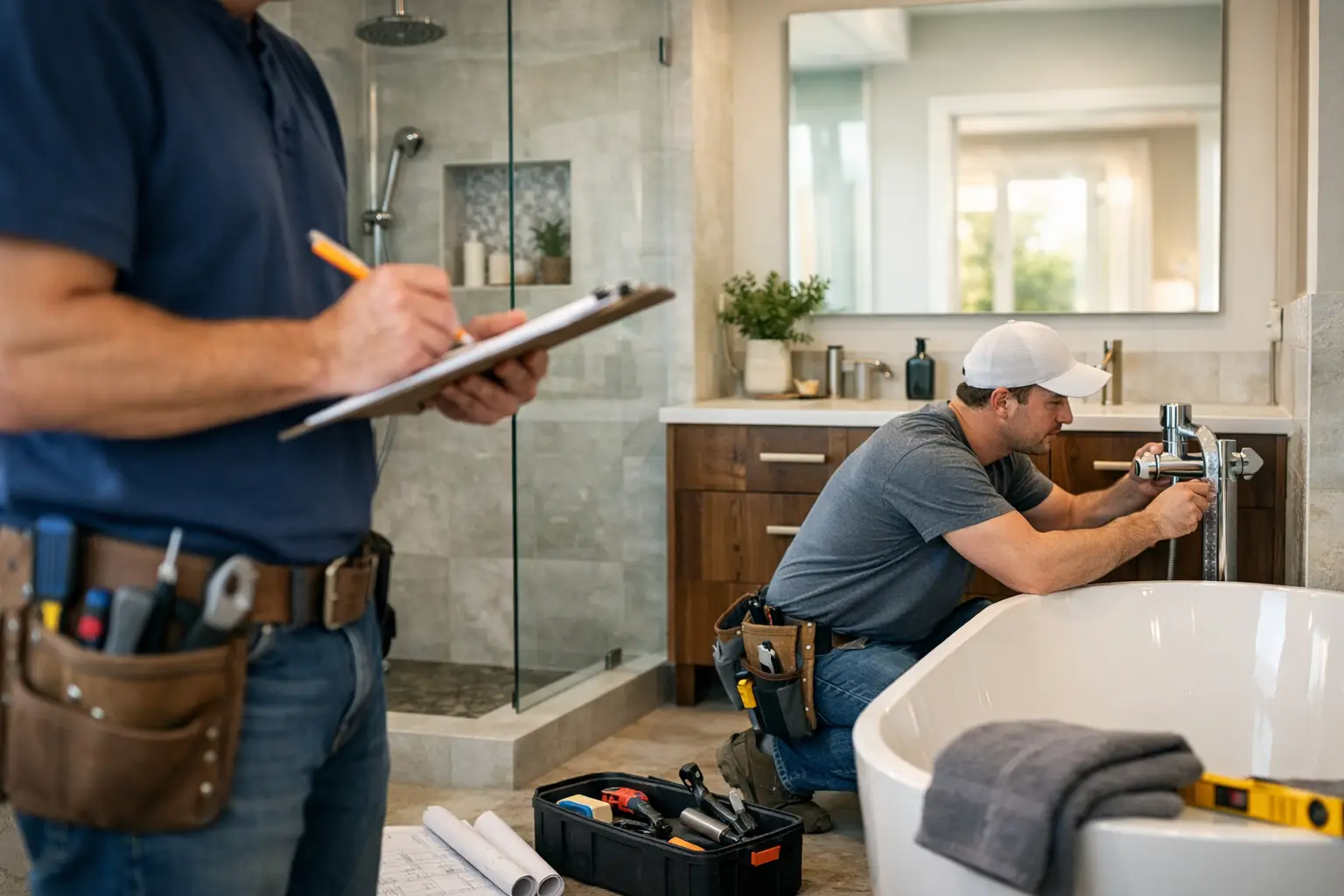
That is where a craftsmanship-focused contractor makes a real difference. A small bathroom does not leave room for mistakes. Tight spaces require precise framing, careful tile layout, clean drywall and paint work, and smart planning from the start. Premium finishes only look premium when the installation is done right.
If you are weighing small bathroom remodel ideas, start with the decisions that improve how the room works every day. Better layout, stronger materials, cleaner storage, and professional finish work will always outlast trendy shortcuts. When the space is planned well and built with care, even the smallest bathroom can feel more comfortable, more modern, and far more valuable.