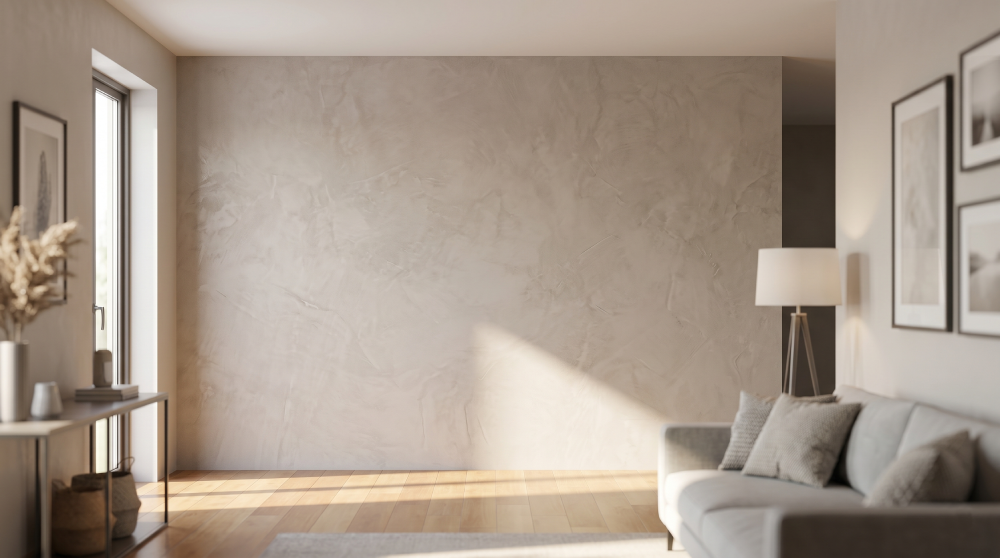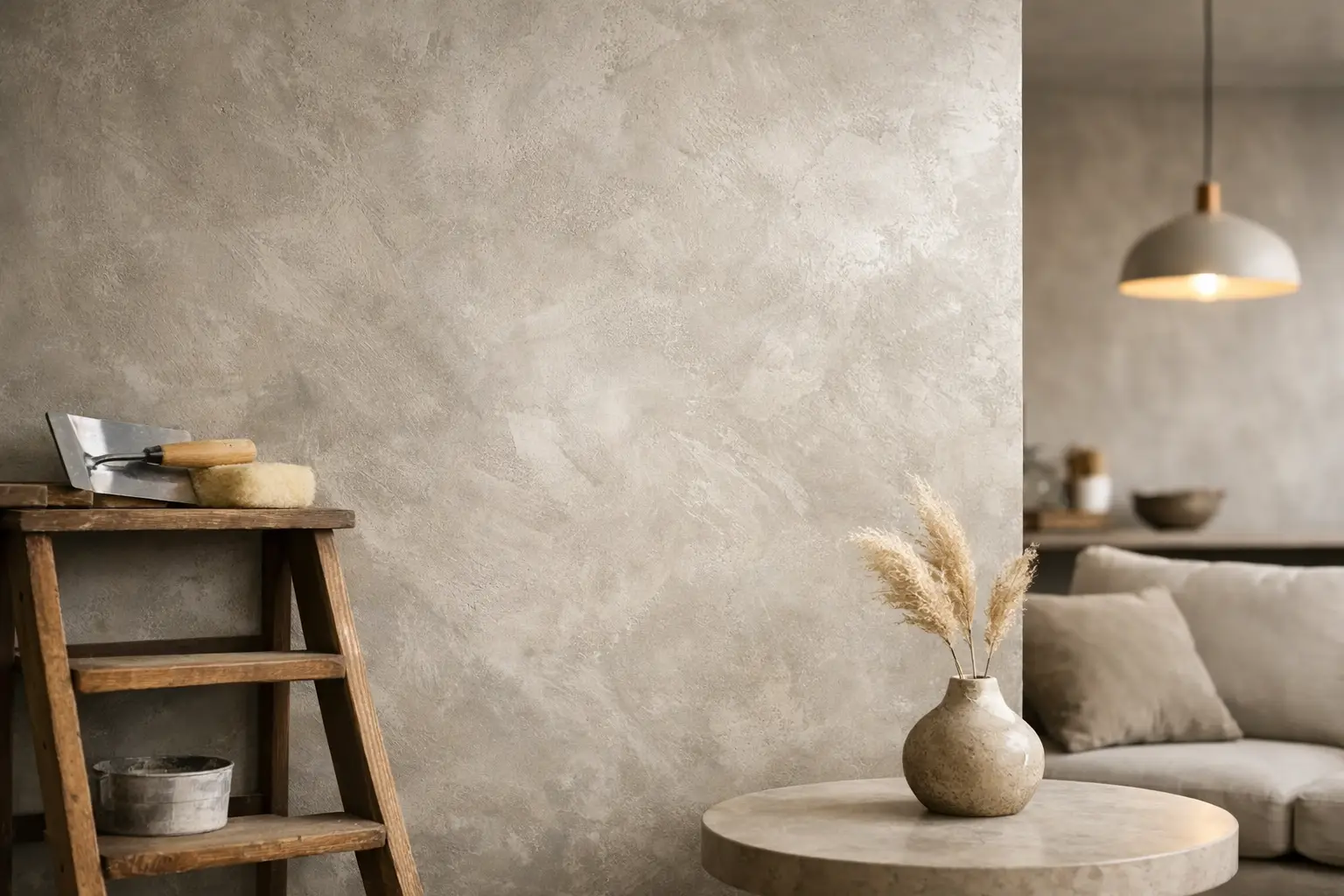

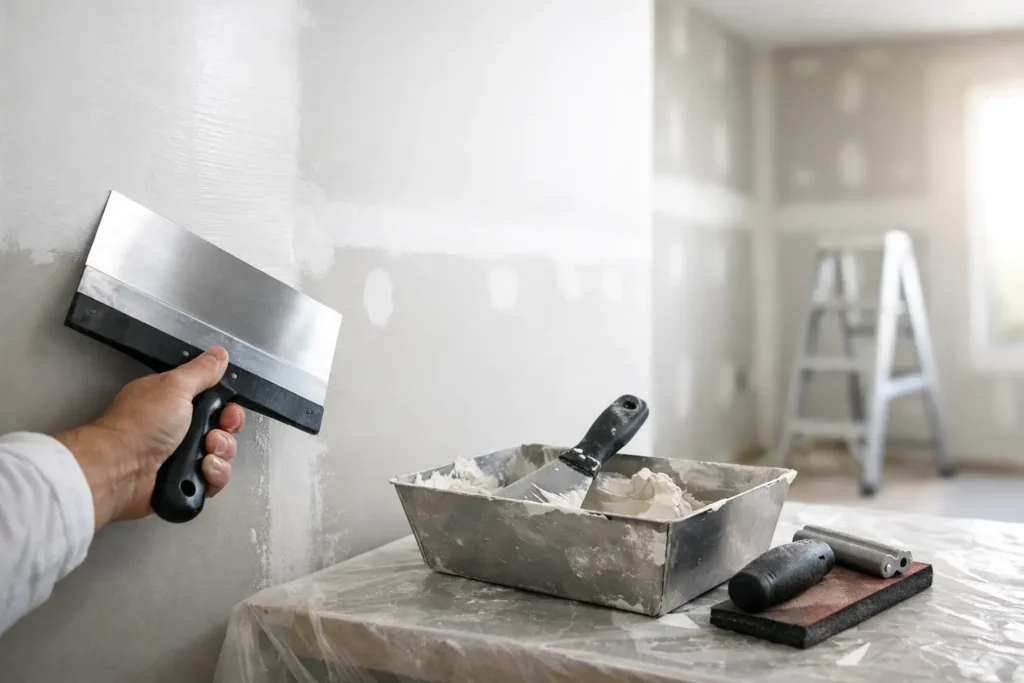
If you have ever seen a freshly painted wall that looked perfect in one room and full of seams, patches, or roller-shadow lines in another, the difference often comes down to finish level. That is why homeowners and property owners ask, what is level 5 drywall finish, and do they really need it? In short, it is the highest standard of drywall finishing, designed to create the smoothest possible surface before paint.
For high-end interiors, strong natural light, and modern spaces with flat or low-sheen paint, that extra step can make a visible difference. It is not always necessary, but when clean lines and premium results matter, level 5 is often the right choice.
What is level 5 drywall finish?
A level 5 drywall finish is a fully taped, mudded, sanded drywall surface that also receives a thin skim coat or specialty surfacing material across the entire wall or ceiling. That final coat helps even out minor surface variations between the face paper and the joint compound.
This matters because drywall is not perfectly uniform by itself. Joints, fastener spots, corner bead areas, and the face of the board all absorb paint a little differently. Under standard lighting, that difference may be subtle. Under direct sunlight, large windows, or bright overhead lighting, it becomes much easier to see.
At lower finish levels, the wall may be technically complete and paint-ready, but still show slight texture changes or flashing once the paint dries. A level 5 finish reduces that risk and creates a more consistent final appearance.
How level 5 compares to other drywall finish levels
Drywall finishing standards run from level 0 to level 5. Most property owners never need to think about all of them, but understanding the basics helps clarify why level 5 costs more.
Level 0 means the drywall is hung but not finished. Level 1 and level 2 are rougher utility-grade stages often used in unfinished areas or behind tile. Level 3 is more suitable for heavy wall textures. Level 4 is the standard finish most people receive in finished residential spaces, with taped joints, multiple coats of compound, and sanding.
Level 4 works well in many homes, especially where there is eggshell paint, moderate lighting, or some wall texture. But if the wall will be smooth, painted in a darker color, or exposed to critical lighting, level 4 may still reveal imperfections. Level 5 adds that full skim coat to refine the surface beyond standard finishing.
Where a level 5 drywall finish makes the biggest difference
Not every room needs the highest drywall finish. The value depends on lighting, paint choice, design style, and how critical the visual standard is.
Large living areas with tall windows are one of the most common places where level 5 makes sense. Sunlight moving across the wall during the day highlights every small ripple or joint line. The same is true in hallways with side lighting, open-concept rooms with recessed lighting, and ceilings under modern fixture layouts.
It is also a smart choice for smooth walls in kitchens, bathrooms, foyers, offices, and commercial settings where a polished finish supports the overall design. In higher-end remodels, level 5 often pairs well with premium paint, custom trim, and other finish work because it helps the final result feel consistent and intentional.
If the plan includes matte or flat paint, level 5 becomes even more valuable. These finishes can look elegant, but they tend to reveal surface inconsistencies more than many people expect.
What is included in a level 5 drywall finish process?
A true level 5 finish is more than just extra sanding. It starts with proper drywall installation. If boards are uneven, framing is out of plane, or fasteners are poorly set, no amount of finishing will fully correct the problem.
After installation, the joints are taped and coated in stages. Fastener heads are covered, inside and outside corners are finished, and the surface is sanded between coats as needed. Once the wall has reached a high-quality level 4 condition, the finisher applies a thin skim coat or spray-applied drywall surfacer over the full surface.
That material is then smoothed, dried, and sanded to create a more uniform substrate. Finally, the wall is ready for primer and paint.
The key point is consistency. A level 5 finish is not about making the wall thicker. It is about making the entire surface behave more evenly under paint and light.
Why level 5 costs more
There is no way around it – level 5 takes more labor, more material, and more skill. The skim coat itself is an added step, but the real cost often comes from the level of care required throughout the entire process.
Prep has to be cleaner. Sanding has to be more controlled. Transitions around corners, ceilings, and trim need to be handled carefully. If the crew rushes, the benefit of level 5 can be lost.
That is why pricing varies from project to project. A small repair is different from a full-home remodel. New construction is different from working in an occupied home. Ceiling work is usually more demanding than wall work. The final paint selection also matters, since darker colors and low-sheen finishes leave less room for error.
For some clients, level 5 is worth every dollar because the walls are a major part of the finished design. For others, a well-executed level 4 may be the better value. The right answer depends on the room and your expectations.
Common misconceptions about level 5 drywall
One of the biggest misconceptions is that level 5 means a wall will be perfect under every condition. It will not. Even excellent drywall work can still show slight movement, framing irregularities, or surface variation under extreme lighting. Level 5 improves the result significantly, but it does not change the laws of light and shadow.
Another misconception is that any skim-coated wall is automatically level 5. Not necessarily. The underlying taping, coating, sanding, and board quality still matter. If the base work is poor, a skim coat alone will not produce a premium finish.
Some people also assume level 5 is only for luxury homes. In reality, it can be a practical choice in many settings, including offices, rental upgrades, retail spaces, and home remodels where lighting and paint selection make surface quality more noticeable.
Is level 5 drywall finish worth it?
If you are investing in a space where appearance matters, level 5 is often worth serious consideration. It supports smooth painted walls, helps minimize visible joints and flashing, and gives the final finish a cleaner, more refined look.
That said, not every room needs it. Bedrooms with softer lighting may look great with level 4. Utility areas and heavily textured walls usually do not benefit much from the extra step. If budget is a concern, many property owners choose level 5 only in the most visible areas, such as main living spaces, entryways, or ceilings.
This is where an experienced contractor adds real value. The goal is not to oversell the highest option everywhere. The goal is to match the finish level to the space, the lighting, and the standard you want to achieve.
How to know if your project should use level 5
The best time to decide is before paint begins. Once color is on the wall, correcting a lower finish level can become more expensive and disruptive.
Ask a few practical questions. Will the walls be completely smooth? Is there strong natural or angled artificial light? Are you using dark paint, flat paint, or a premium design finish? Is this a high-visibility space where details matter? If the answer is yes to several of those, level 5 may be the right investment.
For homeowners and commercial clients who want premium finishes, this is often one of those behind-the-scenes decisions that affects the entire look of the room. You may not notice it as a line item on day one, but you will notice it every time light hits the wall.
Quality remodeling is not just about what gets installed. It is also about how surfaces are prepared before the final finish goes on. When you want walls and ceilings that look clean, modern, and built to last, level 5 drywall finishing is one of the clearest ways to protect the final result.
A beautiful paint job starts long before the first coat of color, and the best-looking rooms usually prove that in plain sight.