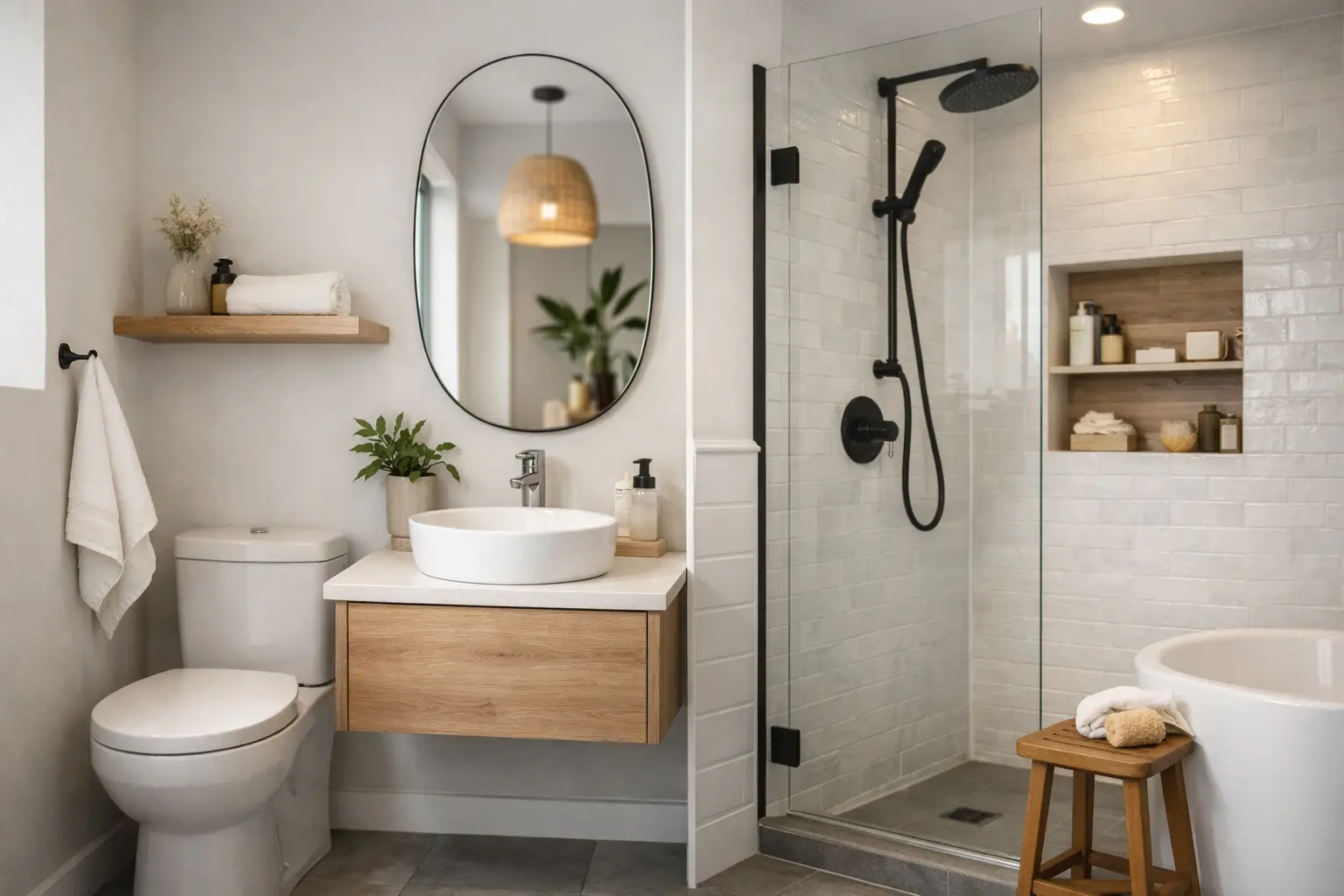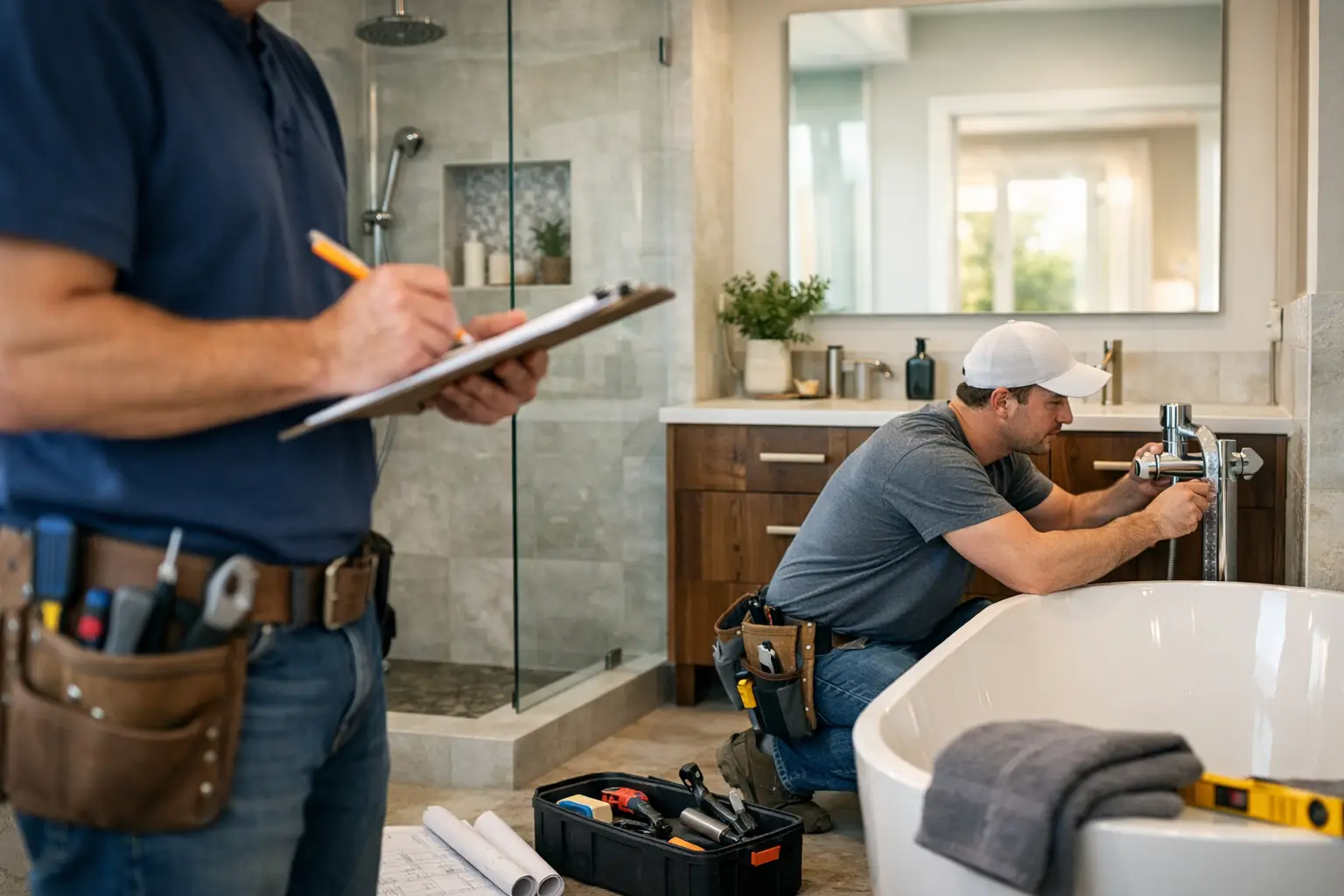

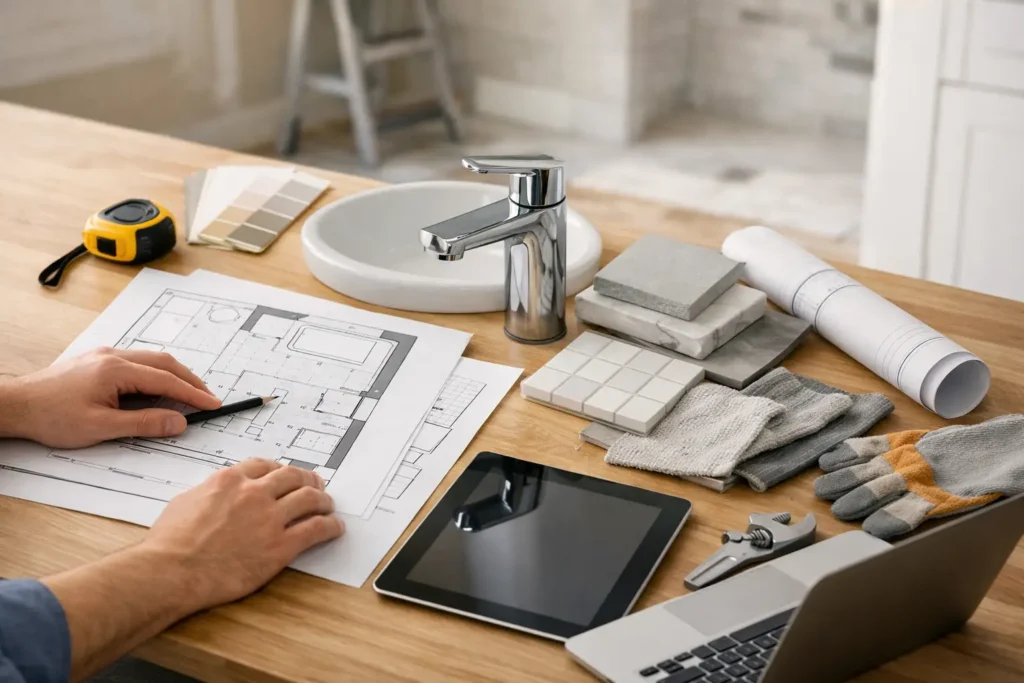
A bathroom remodel can look simple on paper until the real decisions start stacking up. Tile size affects layout, layout affects plumbing, plumbing affects budget, and budget affects every finish in the room. If you are wondering how to plan bathroom renovation work without costly surprises, the smartest move is to treat it like a construction project first and a design project second.
A well-planned bathroom renovation should improve daily function, hold up to moisture and wear, and add value to the property. That means the best results usually come from balancing appearance with practical performance. Beautiful tile and modern fixtures matter, but so do ventilation, waterproofing, storage, and the quality of installation behind the walls.
How to Plan Bathroom Renovation with Clear Priorities
Before choosing colors or hardware, define what the room needs to do better than it does now. Some bathrooms are simply outdated. Others have deeper issues like poor layout, weak lighting, water damage, limited storage, or finishes that are wearing out faster than they should.
Start by identifying the real purpose of the remodel. A primary bathroom renovation often focuses on comfort, long-term durability, and a more polished finish. A hall bathroom may need to serve multiple family members and stand up to daily use. A rental or investment property bathroom usually calls for durable, cost-conscious materials that still look clean and modern.
This first step matters because priorities shape every later decision. If resale is the main goal, a practical, broadly appealing design may be the better investment than a highly customized layout. If aging in place is part of the plan, wider access, a walk-in shower, grab bar blocking, and slip-resistant flooring deserve attention from day one.
Set a Budget That Matches the Scope
One of the most common mistakes in bathroom remodeling is underestimating how much the hidden work costs. Homeowners often price out tile, vanity, and fixtures, then get surprised by demolition, plumbing adjustments, electrical updates, subfloor repairs, or waterproofing needs.
A realistic budget should separate visible finishes from construction work. Fixtures, tile, paint, mirrors, and accessories are only part of the number. Labor, prep, disposal, permit requirements, waterproofing systems, framing corrections, and unexpected repairs should also be built in. In older homes especially, once walls or floors are opened, problems like moisture damage or outdated plumbing are not unusual.
It also helps to decide where to invest and where to keep things efficient. Custom glass, natural stone, and layout changes can elevate a bathroom, but they also raise cost quickly. Keeping plumbing in the same general location often protects the budget without sacrificing the overall result. Premium materials make the most sense where they improve longevity, maintenance, or daily use, not just appearance.
Think Through the Layout Before Finishes
A bathroom can have expensive materials and still feel awkward if the layout is wrong. Good planning starts with movement, clearance, and usability. The room should feel comfortable to enter, easy to clean, and efficient to use every day.
Look at how the current space functions. Is the vanity too small? Does the door interfere with the toilet or shower? Is there enough room around the sink? Would a tub-to-shower conversion improve the room more than replacing the tub with another tub?
These questions are more important than many homeowners expect. A few inches gained in the right place can make the room feel dramatically better. Sometimes that means changing the vanity depth, choosing a sliding shower door, recessing storage into the wall, or selecting a more compact toilet. In other cases, the layout truly needs reworking, but that should be a deliberate decision because moving plumbing and electrical adds complexity.
Choose Materials Built for Moisture and Daily Use
Bathrooms are high-moisture environments, and material selection should reflect that. This is not the place to choose products based on appearance alone. Finishes need to handle humidity, cleaning products, water exposure, and constant temperature changes.
Porcelain tile remains a strong choice for floors and shower walls because it is durable, low maintenance, and available in a wide range of styles. Natural stone can look impressive, but it may require more care and sealing. For vanities, solid construction and moisture-resistant finishes matter more than showroom appeal. Countertops should resist staining and wear. Paint should be rated for bathrooms, and ventilation should be strong enough to protect those finishes over time.
The same principle applies to what is not immediately visible. Backer board, waterproof membranes, proper slope in the shower, quality caulking, and correct fixture installation are what separate a bathroom that looks good for six months from one that performs well for years. Built to Last. Made to Impress. That idea only works when craftsmanship and material selection support each other.
Plan Lighting, Ventilation, and Storage Early
These are often treated like secondary details, but they play a major role in how complete the finished room feels. Poor lighting can make a new bathroom feel flat. Weak ventilation can shorten the life of paint, drywall, and trim. A beautiful vanity without enough storage creates clutter almost immediately.
Lighting should be layered. Overhead lighting provides general illumination, while vanity lighting improves daily tasks like shaving, makeup, and grooming. If the budget allows, niche lighting or accent lighting can give the room a more refined look, but the basics should come first.
Ventilation deserves careful planning, especially in older homes or bathrooms without windows. A properly sized exhaust fan helps control moisture and protects your investment. Storage should also be considered as part of the layout, not as an afterthought. Drawers, linen storage, recessed niches, medicine cabinets, and practical vanity design all contribute to a room that stays organized and easier to maintain.
Understand the Renovation Timeline
Bathroom remodeling moves through several phases, and delays usually happen when decisions are made too late. A smooth project depends on selecting materials, confirming scope, and resolving layout questions before demolition starts.
In most cases, the timeline includes planning, design decisions, ordering materials, demolition, rough plumbing and electrical, inspections when required, substrate preparation, tile and finish work, fixture installation, painting, and final punch-list items. Lead times on tile, vanities, shower glass, and specialty fixtures can affect the schedule more than many people realize.
If the bathroom is your home’s only full bath, that affects planning too. Temporary living adjustments may be necessary. For families, landlords, and property owners, the practical side of access and downtime should be part of the decision-making process from the beginning.
Work with Detailed Estimates, Not Loose Assumptions
If you want fewer surprises, insist on a detailed scope of work. A professional estimate should explain what is included, what materials are being installed, what prep is expected, and what conditions could change pricing if hidden issues are uncovered.
This is where experienced contractors stand apart from basic labor-only pricing. A low number can look attractive at first, but vague estimates often lead to change orders, shortcuts, or finish quality that does not match the investment. Clear communication, defined expectations, and professional execution protect the project.
For homeowners in Pennsylvania, especially in older housing stock common in areas like Allentown, Bethlehem, Easton, York, and Lancaster, detailed planning is even more valuable. Older bathrooms may conceal uneven framing, outdated wiring, aging plumbing, or previous repair work that needs correction before premium finishes go in.
How to Plan Bathroom Renovation for Long-Term Value
The best bathroom renovations are not always the most expensive. They are the ones that solve the right problems, use durable materials, and feel finished in every detail. Long-term value comes from making smart decisions about function, quality, and workmanship.
That may mean choosing a timeless tile instead of a fast-moving trend, investing in a better shower system instead of a decorative upgrade, or selecting storage that improves daily life rather than filling the room with oversized features. It may also mean knowing when not to overbuild. A luxury primary bath and a practical guest bath do not need the same level of finish to be successful.
A strong remodeling partner helps you see those trade-offs clearly. At Master Builder Home Improvement LLC, that planning mindset is what turns a bathroom project into a cleaner, more durable, and more valuable space.
When you plan carefully from the start, every choice works harder – for the budget, for the timeline, and for the finished result you will live with every day.