

Siding is your home’s first line of defense against rain, snow, wind, and sun. When it starts to fail, the damage rarely stays on the surface – moisture can work its way behind the panels and affect sheathing, insulation, and framing. Knowing the difference between a problem that calls for a repair and one that calls for full replacement can save you from paying twice.
Serving the Lehigh Valley, including Easton, Bethlehem, and Allentown. Call (484) 935-2050 for a free, no-obligation siding evaluation.
Common Signs Your Siding Is Failing
Some warning signs are obvious, like cracked, split, or missing panels after a storm. Others are easier to overlook: boards that are warping or buckling, paint that keeps peeling shortly after being repainted, soft or spongy spots when pressed, stains or mildew that return after cleaning, and gaps where panels have pulled loose at corners or around windows. Inside the home, unexplained drafts or higher heating and cooling bills can also point to siding that is no longer sealing the exterior properly.
When Repair Makes Sense
If the damage is limited to a few panels or boards – for example from impact, a loose section, or a small area of localized rot – replacing just those pieces and sealing the surrounding areas is often enough. Repair works best when the underlying wall is dry and sound, the remaining siding is in good condition, and replacement material can be matched reasonably well to what is already on the house.
When Full Replacement Is the Better Call
Replacement tends to make more sense when damage is widespread rather than isolated: warping or rot across multiple walls, moisture found behind the siding, repeated repairs in the same areas, or material that has aged to the point where new panels will never match the old ones. Because siding hides what is underneath it, a proper evaluation usually includes checking the sheathing and flashing before deciding how much work is really needed.
Material Options to Consider
Vinyl is widely used because it is low-maintenance and comes in many colors and profiles. Fiber cement offers a heavier, more rigid look and holds paint well, but it is more demanding to install. Wood has a classic appearance and can be repaired board by board, though it needs regular sealing or painting to hold up against Pennsylvania’s freeze-thaw cycles and humidity. The right choice depends on your home’s style, your budget, and how much upkeep you want to take on.
What Our Process Looks Like
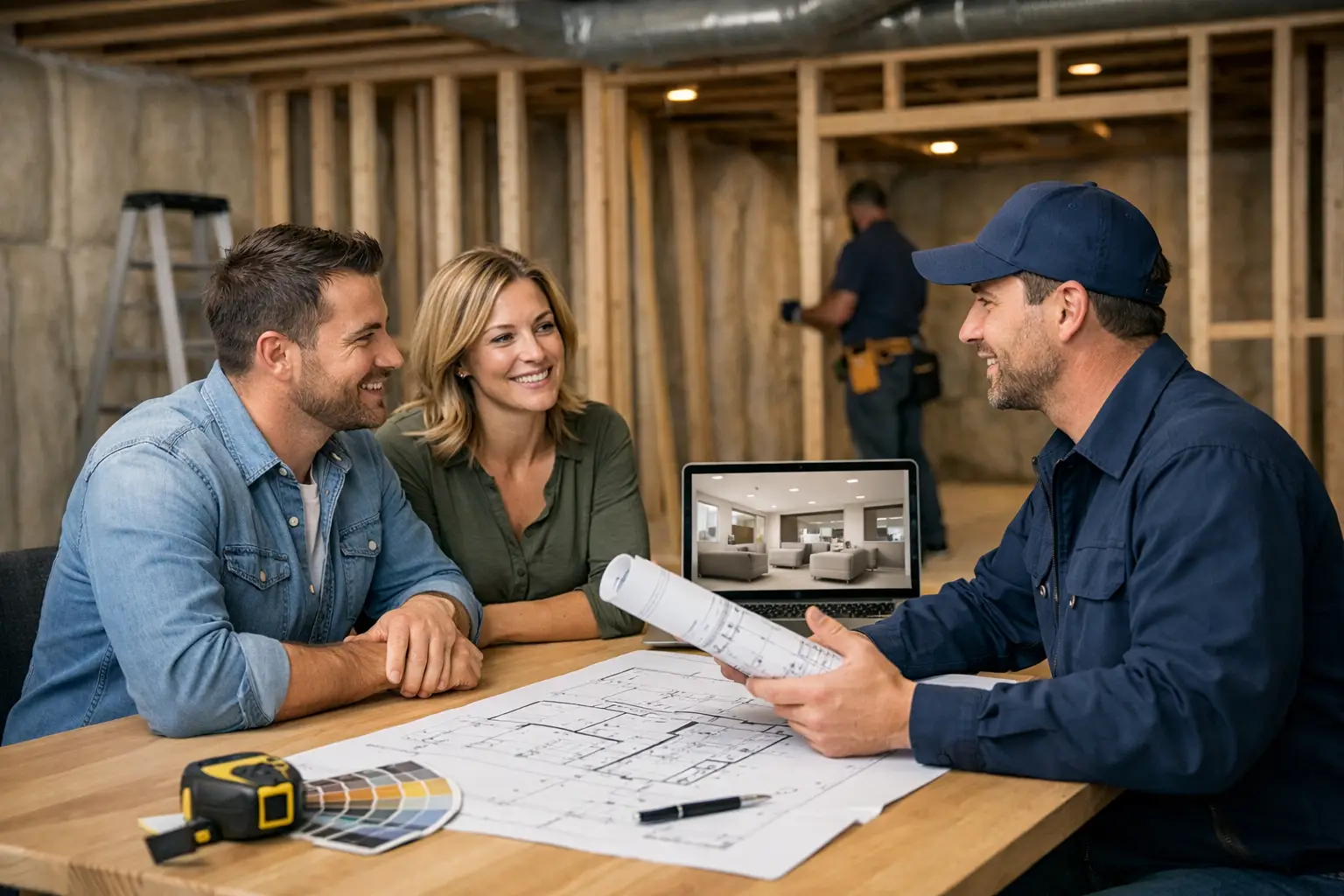
We start with an on-site inspection to look at the condition of the siding, trim, and the areas most exposed to weather. From there we explain what we found, talk through whether repair or replacement fits your situation, and review material options with you. Once the scope is agreed, we handle the work, protect your landscaping and property during the job, and walk through the finished result with you.
Request Your Free Siding Evaluation
Call (484) 935-2050 or use the form below. We will walk your project’s scope with you before providing a written estimate.
Related: How to paint exterior siding for a lasting finish
Juan Gonzalez Rosario
Founder and Owner
Master Builder Home Improvement LLC