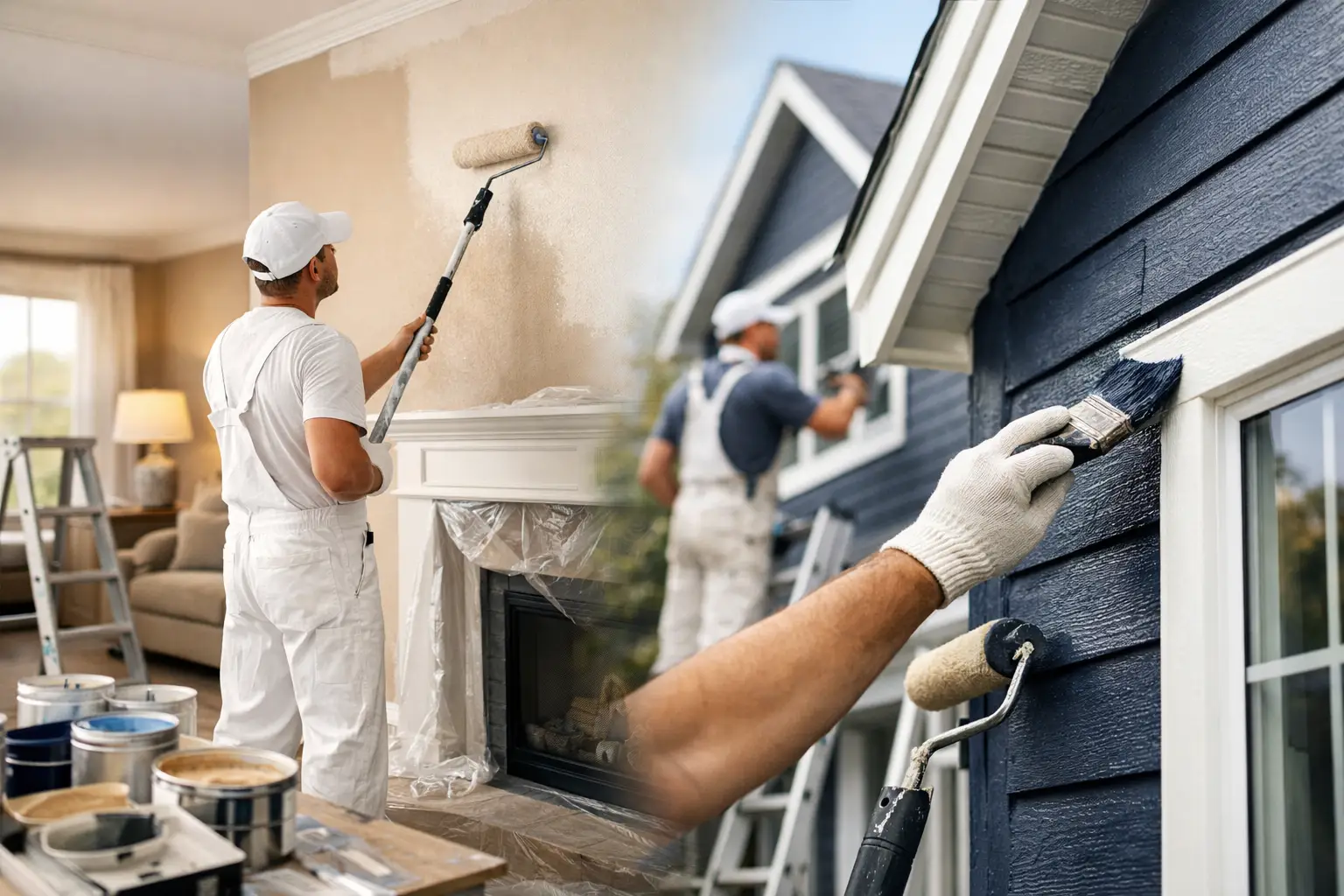

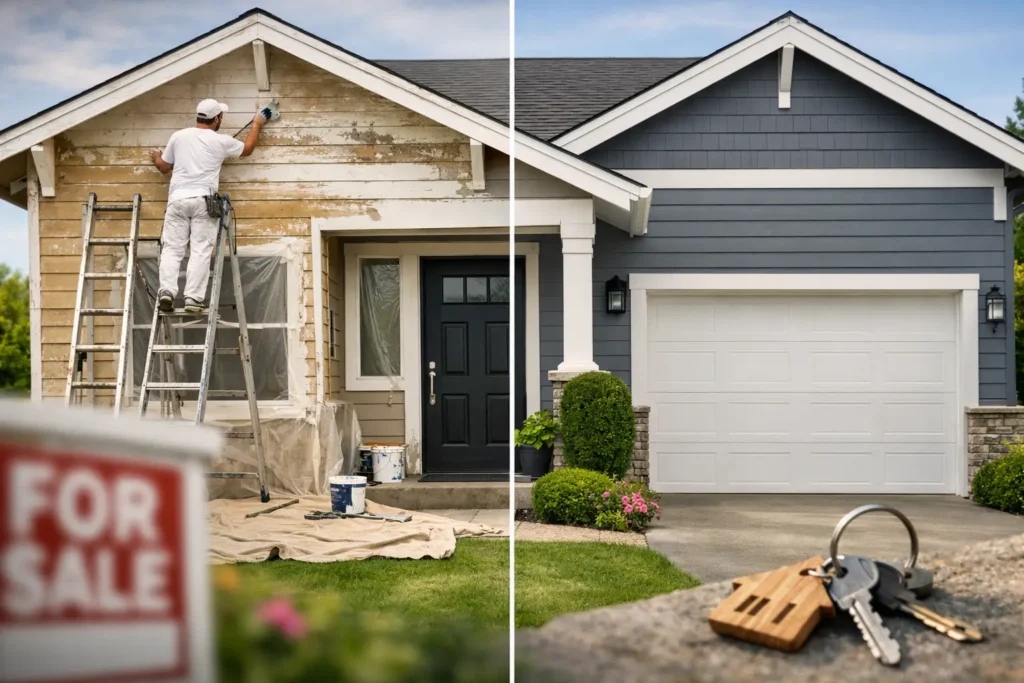
A buyer usually makes up their mind about your home before they step through the front door. The siding, trim, shutters, porch, and front entry tell them whether the property feels cared for or whether they should expect a list of hidden repairs inside. That is why exterior painting before selling house often comes up early in the prep process. The real question is not whether fresh paint looks better. It does. The question is whether it adds enough value, confidence, and market appeal to justify the investment.
In many cases, it does. A clean, professionally painted exterior can sharpen curb appeal, help listing photos stand out, and reduce buyer hesitation. But not every home needs a full repaint before it goes on the market. Sometimes a targeted refresh is the smarter move. The best decision depends on the condition of the existing surfaces, the age of the paint, the neighborhood standard, and the price point you are trying to hit.
When exterior painting before selling house makes sense
If the exterior shows visible wear, buyers will notice it immediately. Peeling paint, fading color, cracked caulk lines, chalky siding, stained trim, and weathered doors all create the same impression – deferred maintenance. Even if the structure is sound, the visual message is expensive. Buyers often assume that if the outside was neglected, the inside may have been too.
That is where professional painting can do more than improve appearance. It changes how the property is perceived. Fresh paint signals upkeep, attention to detail, and readiness for market. For sellers trying to attract strong offers quickly, that first impression matters.
A repaint is especially worth considering if your current color scheme feels dated or overly personal. Bold or unusual color combinations can shrink your buyer pool. Most buyers respond better to clean, neutral, widely appealing tones that make the home feel current and easy to maintain. A more market-friendly palette can help the property appeal to a broader range of people without making it feel bland.
Exterior painting also makes sense when the home will be photographed extensively for online listings. Digital listings do a lot of the selling before a showing ever happens. Faded siding and worn trim stand out in photos for the wrong reasons. Crisp lines and balanced color contrast stand out for the right ones.
When you may not need a full exterior repaint
Not every seller needs to paint the entire house. If the main body color still has good coverage and adhesion, but the trim, shutters, porch railings, or front door look worn, a focused update may be enough. These are the high-visibility details buyers notice up close and in photos.
This is also true when the home already has a newer, neutral exterior finish in solid condition. In that case, washing the siding, touching up problem areas, re-caulking joints, and repainting selected trim can deliver most of the visual benefit without the cost of a full repaint.
There is also a timing issue. If you are selling quickly and weather is a factor, a rushed exterior painting project can create more problems than value. Prep work matters. Scraping, sanding, surface repairs, priming, and proper dry times all affect the finish and durability. If there is not enough time to do the work correctly, it may be better to improve only the most visible areas and avoid a half-finished result.
What buyers actually notice from the curb
Buyers may not know the exact paint brand or coating system, but they can tell when the finish is clean and professionally done. They notice consistency of color, straight cut lines, smooth coverage, and whether the paint works with the rest of the home.
They also notice condition. Flaking trim around windows, swollen wood on fascia boards, and cracked paint around doors suggest water exposure and maintenance issues. Even if those issues are minor, buyers tend to estimate the repair cost higher than it really is. That affects offers.
Front doors deserve special attention. A freshly painted entry with clean hardware and surrounding trim can make the house feel more welcoming and more valuable. The same goes for garage doors, shutters, porch ceilings, and columns. These focal points shape the visual quality of the entire facade.
Color choices that help a home sell
When selling, the goal is not to chase trends. It is to create broad appeal. That usually means staying with timeless, balanced colors that fit the style of the house and the surrounding neighborhood.
Soft whites, warm grays, greige tones, muted taupes, and classic off-white trim combinations are usually safe choices. Deep charcoal, black, or rich navy can work well for shutters and front doors when used carefully. If the home has brick or stone, the paint color should support those fixed elements rather than compete with them.
The wrong color can make even a well-painted home harder to sell. Very dark body colors can absorb heat and highlight surface flaws. Extremely bright or trendy colors may turn off buyers who immediately think about repainting. For resale, restraint usually performs better than personality.
A professional painter can also help evaluate sheen levels. Exterior finishes need to balance durability with appearance. Too much shine can highlight imperfections. Too little can make surfaces look flat or harder to clean. Choosing the right product for wood, fiber cement, stucco, or siding matters as much as choosing the right color.
The cost versus the return
Exterior painting before selling house should be looked at as a positioning investment, not just a maintenance expense. Fresh paint may not always produce a dollar-for-dollar return on paper, but it can improve speed of sale, reduce buyer objections, and support stronger pricing. In a competitive market, those factors matter.
A home that looks clean, updated, and well maintained often creates better momentum when it hits the market. More showings can lead to more interest. More interest can lead to better offers. That is where paint often earns its value.
Still, the return depends on execution. A professional result is different from a rushed cosmetic cover-up. Buyers can spot shortcuts. Drips, missed prep, uneven coverage, and poor color choices can make the property feel less credible, not more. If you are going to paint before listing, the work should support the value of the home.
Why prep work matters more than the paint itself
The quality of an exterior paint job is built long before the finish coat goes on. Surfaces need to be cleaned, loose paint removed, damaged areas repaired, bare spots primed, and joints sealed where needed. Without that groundwork, even premium paint will not perform the way it should.
For sellers, this matters in two ways. First, the finish simply looks better. Smooth, properly prepared surfaces create the clean lines and solid coverage buyers respond to. Second, it avoids the appearance of a temporary fix. Good prep tells a stronger story about the condition of the property.
This is one reason experienced contractors bring more value than a basic labor-only approach. They are looking at the full exterior system, not just applying color. If trim has early signs of rot, if caulk has failed, or if a porch ceiling is holding moisture, those issues should be addressed before painting. Premium finishes only perform well when the surface underneath is sound.
Should you paint everything before listing?
Usually, no. The smarter approach is to evaluate the home like a buyer would. Stand at the curb. Look at the front elevation first, then the trim lines, garage door, shutters, porch, and entry details. Next, walk the full exterior and identify what feels neglected, faded, or inconsistent.
Some homes benefit from a full repaint because the wear is widespread. Others only need focused improvements to create the same market impact. If the rear elevation is less visible and still in decent shape, it may not need the same level of work as the front and sides. If the siding is sound but the trim is tired, concentrate there.
This is where a detailed estimate is valuable. It helps sellers decide whether a full scope or selective scope makes better financial sense before listing.
A better way to think about exterior painting before selling house
Painting the exterior before listing is not just about making a house look nicer. It is about reducing doubt. Buyers pay more confidently for homes that appear maintained, clean, and move-in ready. A fresh exterior supports that perception immediately.
If your home shows visible wear, if the colors are dated, or if you want stronger curb appeal in listing photos and showings, painting can be a smart pre-sale upgrade. If the exterior is already in good shape, strategic touch-ups may be enough. The right answer depends on condition, timing, budget, and the level of finish your market expects.
A well-prepared, professionally painted exterior does more than brighten the facade. It tells buyers the property has been cared for – and that is often what helps a home feel worth pursuing.