
A dated kitchen, worn floors, or a bathroom that still looks stuck in 2005 can quietly drag down what buyers think your home is worth. If you are asking how to increase home value with remodeling, the answer is not to renovate everything at once. The best results usually come from targeted upgrades that improve how the home looks, functions, and holds up over time.
The strongest remodeling projects do two jobs at once. They make your daily life better now, and they make the property more appealing when it is time to sell or refinance. That means focusing less on trends for their own sake and more on workmanship, durable materials, and clean finishes that make the home feel cared for.
How to increase home value with remodeling the smart way
The most valuable remodels tend to solve obvious problems, modernize key rooms, and create a more finished overall impression. Buyers notice outdated layouts, damaged drywall, old flooring, poor lighting, and low-quality patchwork. They also notice when a home feels clean, updated, and professionally finished.
That is why remodeling for value is not just about picking attractive materials. It is about choosing improvements that make the property easier to live in and easier to trust. A beautifully painted interior with repaired walls, level flooring, updated baths, and a functional kitchen tells a stronger story than one expensive feature surrounded by unfinished details.
There is also a practical side to this. Not every upgrade returns the same value in every home. A luxury feature may make sense in a high-end neighborhood, but it may not pay off in a modest property. The right scope depends on the age of the home, the condition of surrounding homes, and whether you plan to sell soon or stay for years.
Start with kitchens and bathrooms
If you want the highest impact, kitchens and bathrooms usually deserve the first look. These are the rooms buyers judge hardest, and they are also the spaces where daily comfort matters most.
A kitchen does not always need a full gut renovation to add value. Sometimes the bigger win comes from improving layout, replacing worn cabinets or refacing them, upgrading countertops, adding a modern backsplash, improving lighting, and installing durable flooring. When the space looks brighter, works better, and feels cohesive, buyers tend to respond well.
Bathrooms work the same way. An old vanity, stained grout, outdated tile, and poor lighting can make the whole home feel tired. A well-planned bathroom remodel with clean tile work, updated fixtures, modern finishes, and better storage can make a strong difference in both appeal and value. The key is quality execution. Crooked tile lines, sloppy caulking, or shortcuts behind the walls can undermine the investment fast.
Flooring matters more than many owners expect
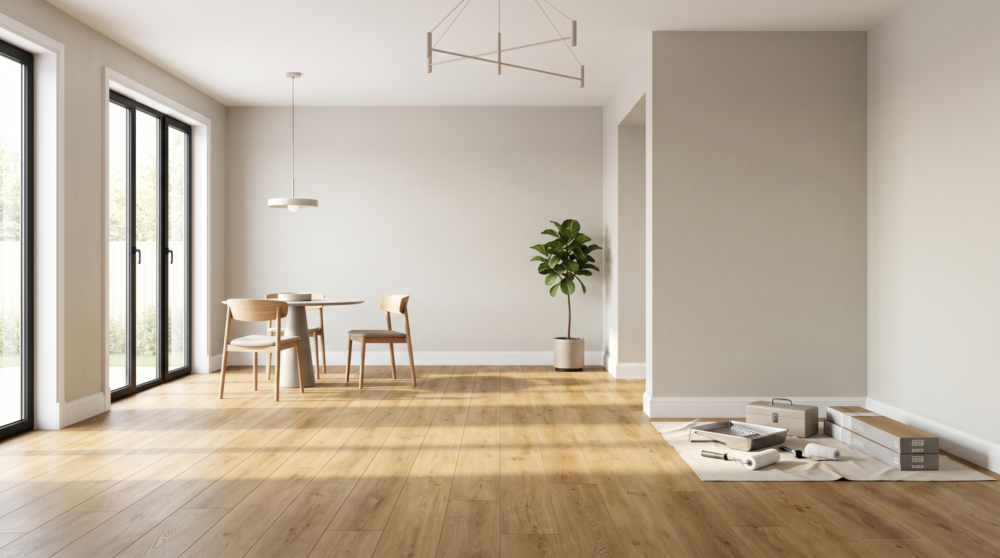
Flooring runs through the entire visual experience of a home. If floors are scratched, mismatched, stained, or lifting at the edges, the property can feel neglected even when other updates are present.
Replacing old carpet or damaged flooring with durable, attractive materials often gives a strong return because it changes the feel of multiple rooms at once. Consistency helps too. A home with cohesive flooring from room to room usually feels more updated and more spacious.
In some spaces, specialty finishes can add both style and performance. Epoxy floor coatings, for example, are especially useful in garages, basements, workshops, and some commercial areas because they improve durability, resistance to wear, and overall appearance. For property owners who want surfaces that are built to last and made to impress, these upgrades can support long-term value while making maintenance easier.
Walls, ceilings, and paint shape first impressions
One of the most overlooked answers to how to increase home value with remodeling is also one of the most visible: fix the surfaces people see everywhere. Cracked drywall, uneven framing, water-damaged ceilings, poor patchwork, and dated paint colors can make a home feel older than it is.
Professional drywall repair, proper finishing, and fresh interior paint create a clean backdrop that lets the rest of the home shine. This is especially important before listing a property, but it also matters when you are remodeling for your own use. Crisp lines, smooth walls, and a consistent color palette make rooms feel brighter, cleaner, and more finished.
Exterior painting can also protect value, not just improve curb appeal. Peeling paint and neglected trim suggest deferred maintenance. A professionally painted exterior with clean preparation work and quality materials helps the home present better while protecting the surfaces underneath.
Functional improvements often carry real value
Cosmetic updates get attention, but practical improvements are often what support value over time. Better framing, repaired structural issues, improved layout flow, moisture-resistant materials in the right places, and restoration work after damage all matter.
This is where experienced remodeling makes a difference. A room can look attractive on the surface and still have hidden issues that affect durability. On the other hand, when a remodel is built correctly from the inside out, the improvement holds up. Buyers may not see every framing adjustment or substrate repair, but they feel the difference in a space that is solid, level, and professionally finished.
This matters even more in older Pennsylvania homes, where uneven walls, aging materials, and past patch jobs are common. Remodeling with care can preserve character while bringing the home up to a higher standard of function and finish.
Premium finishes can lift the entire property
Not every value-adding project is about basic repair. Some finish upgrades can meaningfully elevate the home when they are used in the right places and with restraint.
Venetian plaster is a good example. In an entryway, powder room, feature wall, or upscale living space, it can add depth, texture, and a refined custom look that paint alone cannot match. This kind of finish is not for every room or every budget, but in the right home, it can create a premium impression that sets the property apart.
The same principle applies to trim work, lighting selection, tile details, and surface materials. Well-chosen finishes can make a home feel custom rather than generic. The trade-off is that specialty work only adds value when it is installed with skill and aligned with the home’s price point.
Avoid over-improving the house
A bigger budget does not automatically mean a better return. One of the most common mistakes homeowners make is over-improving beyond what the property or neighborhood can support.
If nearby homes are modestly updated, a top-tier luxury remodel may not be fully reflected in resale value. You may still enjoy the result, and that has real worth, but it is different from expecting dollar-for-dollar return. The better strategy is to bring the home up to a strong market standard with quality materials and a polished, durable finish.
It also helps to think in terms of balance. A stunning kitchen in a house with old bathrooms, damaged floors, and unfinished walls can feel out of place. Remodeling works best when the home feels consistent.
Plan around value, not just price
The cheapest bid is rarely the best path if your goal is to increase value. Low-cost work often shows up later in the form of callbacks, surface failures, rushed details, or finishes that wear out too soon.
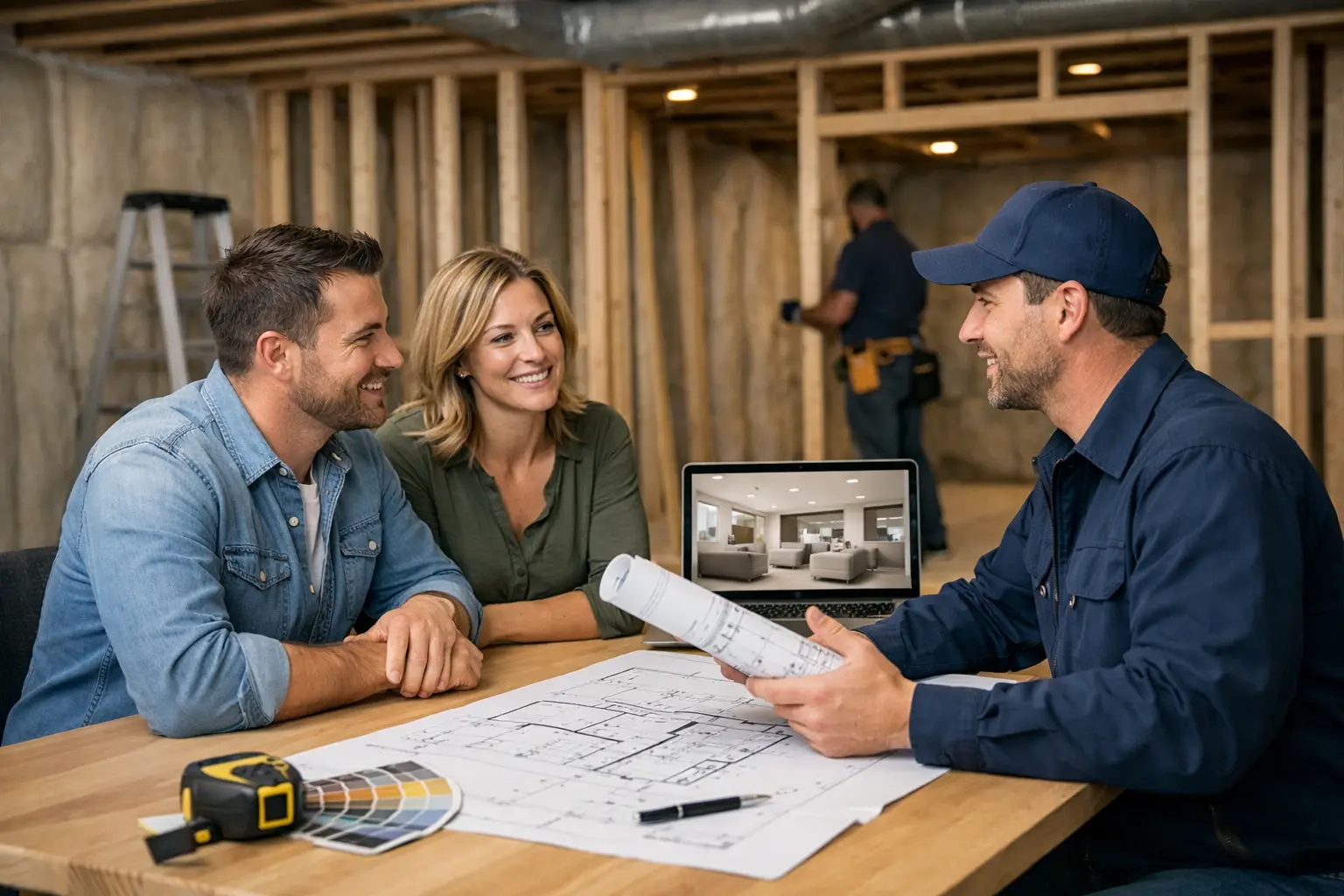
A remodeling project should start with a clear estimate, realistic scope, and honest discussion about priorities. Sometimes that means phasing the work. Instead of spreading the budget too thin across every room, it may be smarter to complete a kitchen, flooring, and paint package at a high standard first, then tackle additional spaces later.
This is where a professional remodeling partner adds more than labor. Good planning helps you decide where premium finishes matter, where practical materials make more sense, and how to avoid spending money on changes that will not move the needle.
What buyers and appraisers tend to notice
They usually respond to homes that feel updated, clean, functional, and well maintained. That includes remodeled kitchens and baths, durable flooring, fresh paint, repaired walls, attractive lighting, quality trim, and signs that the home has been cared for rather than patched together.
They also notice when work looks professional. Tight joints, smooth finishes, level installations, and cohesive design choices build confidence. That confidence matters because value is not only about features. It is also about trust.
For homeowners trying to decide how to increase home value with remodeling, the best mindset is simple: improve the spaces people use most, correct visible wear, choose durable materials, and insist on craftsmanship that lasts. Master Builder Home Improvement LLC approaches remodeling that same way – with detailed planning, clean premium finishes, and work designed to strengthen both the look and long-term value of the property.
The right remodel should leave you with a home that feels better every day, not just one that photographs well. When each upgrade is chosen with care, built correctly, and finished to a high standard, value becomes the natural result.