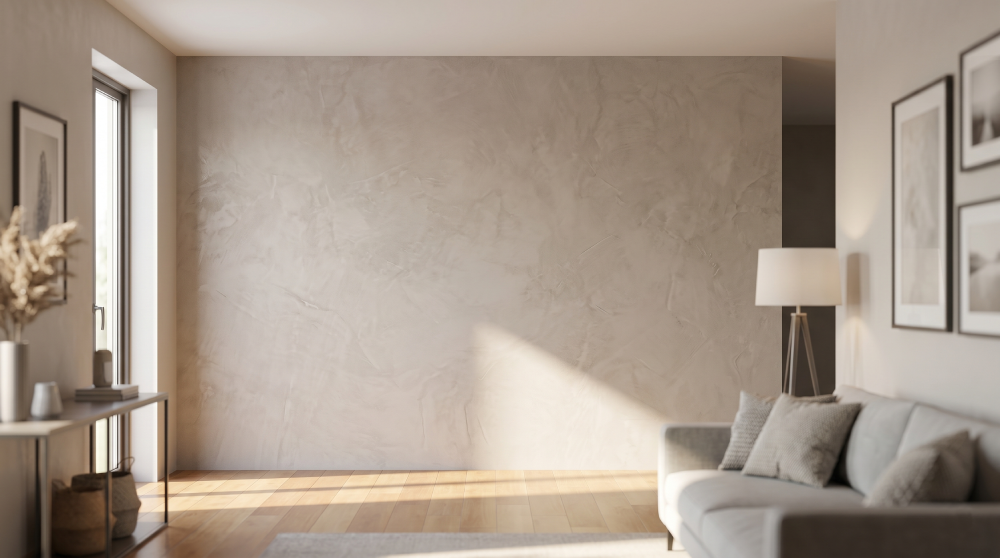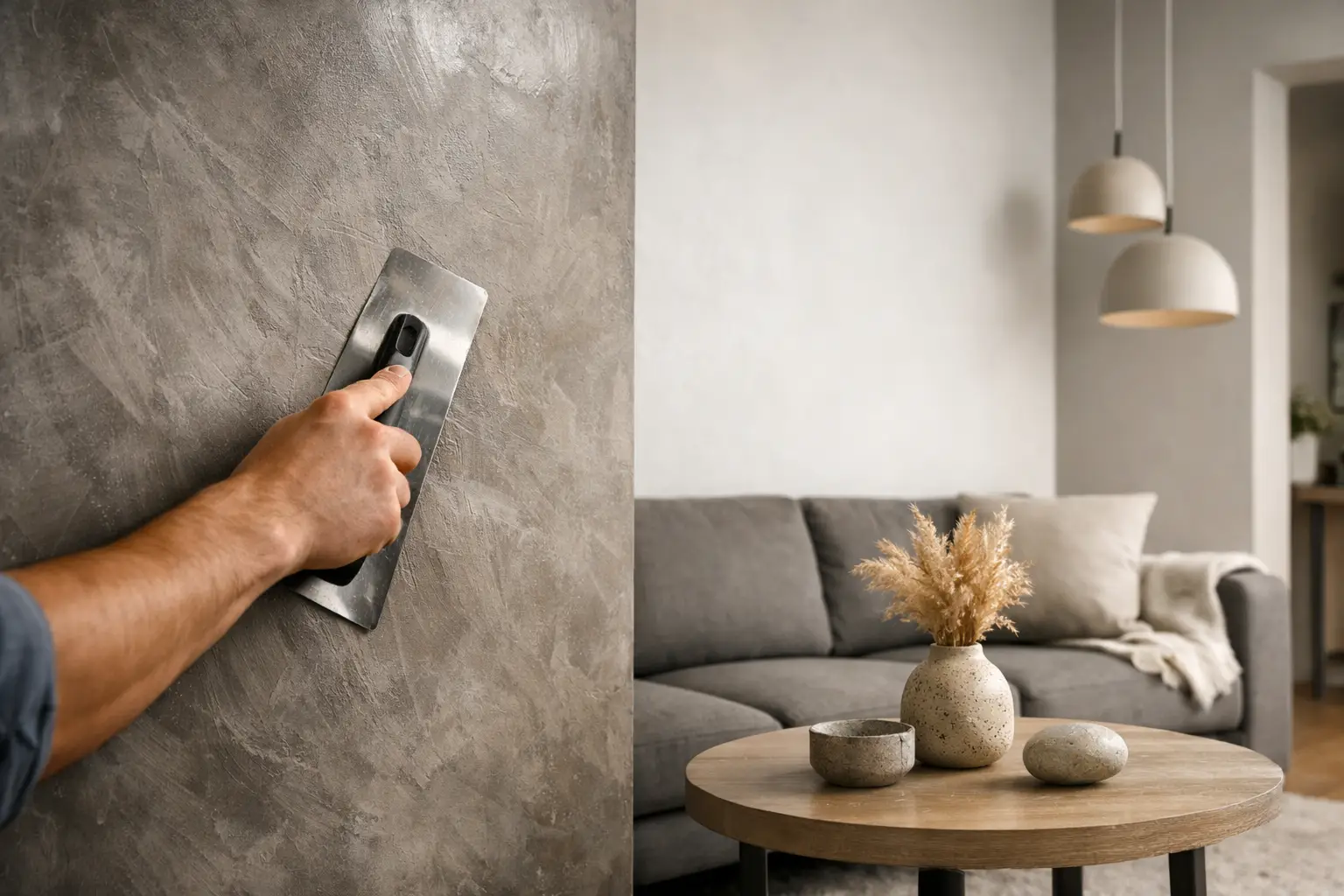

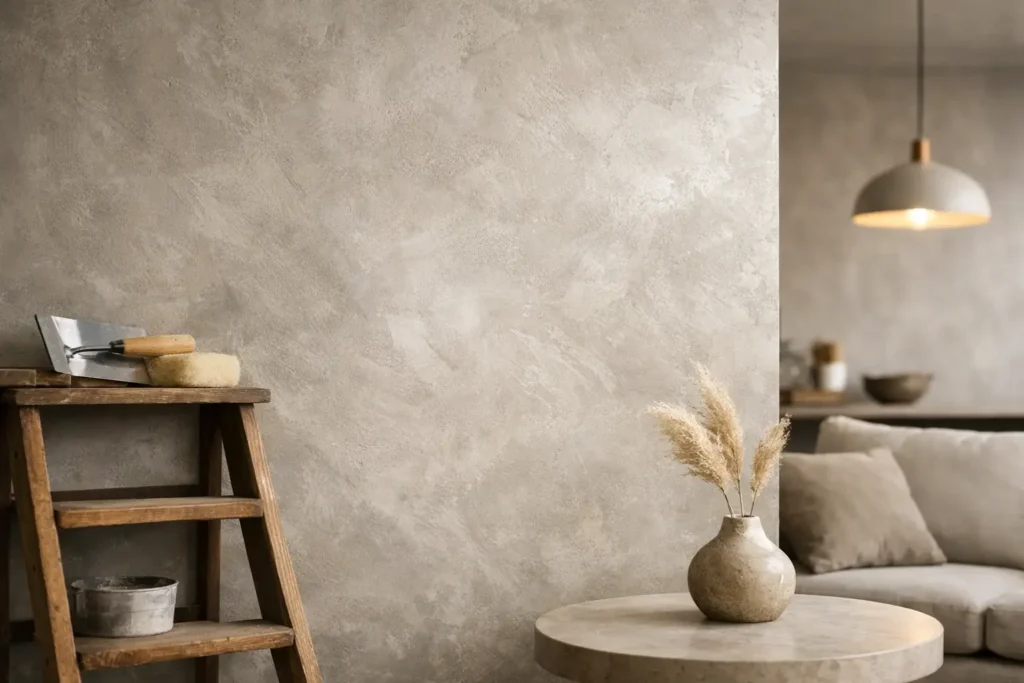
Flat paint can make a room look clean, but it rarely makes it memorable. A venetian plaster wall finish changes that immediately. It adds movement, depth, and a hand-crafted texture that catches light in a way standard drywall and paint simply cannot. For homeowners and property owners who want a space to feel more refined, custom, and valuable, this finish offers a different level of result.
Unlike basic decorative paint techniques, Venetian plaster is not about creating a fake effect. Done correctly, it is a premium wall treatment built through layered application, careful troweling, and surface polishing. The final look can range from soft and subtle to dramatic and polished, depending on the material, sheen, color, and skill behind the work.
What Is a Venetian Plaster Wall Finish?
A venetian plaster wall finish is a decorative finish made by applying thin layers of plaster to a wall and then compressing, shaping, and sometimes burnishing the surface to create depth and movement. Traditional versions used lime-based plaster and marble dust. Modern systems can include natural lime products, acrylic-enhanced blends, or specialty compounds designed for durability and visual control.
What sets Venetian plaster apart is not just texture. It is the way the finish reflects light, creates tonal variation, and gives walls a natural sense of dimension. Even in neutral colors, it feels richer than paint because the finish is built into the surface rather than sitting on top of it.
That difference matters in entryways, dining rooms, bathrooms, feature walls, offices, and commercial interiors where presentation matters. It can make a newer space feel more custom or help an older room feel more intentional and updated.
Why Homeowners Choose Venetian Plaster
Most clients are not looking for plaster just because it is decorative. They choose it because it delivers a cleaner, more custom appearance than many standard wall finishes. A well-executed plaster surface feels high-end without relying on busy patterns or trendy materials that may look dated in a few years.
It also offers flexibility. Some clients want a soft matte texture with a warm, organic appearance. Others want a polished finish with light reflection that feels more formal and dramatic. Both are possible, but the application method and product selection need to match the space.
For higher-value homes and upgraded commercial interiors, Venetian plaster can also support resale appeal. Buyers and tenants may not always know the technical name for the finish, but they recognize quality when they see it. Custom wall treatments signal that the property has been improved with care rather than finished to the lowest standard.
Where a Venetian Plaster Wall Finish Works Best
Not every room needs plaster, and that is part of making good design decisions. In many projects, Venetian plaster works best as a focal finish rather than a whole-house solution. A feature wall behind a fireplace, bed, or dining area often creates the strongest impact without overwhelming the room.
Bathrooms are another popular choice, especially when clients want a cleaner, spa-like look. In the right system, plaster can create a smooth, elegant surface that feels warmer and more architectural than tile alone. It is important, though, to use products appropriate for moisture exposure and to finish them properly.
Commercial spaces can also benefit from plaster in reception areas, conference rooms, boutiques, salons, and upscale offices. These are settings where first impressions carry weight. A textured, hand-finished wall adds character and professionalism in a way that standard paint does not.
Appearance Options and Finish Styles
One of the biggest advantages of Venetian plaster is range. People often think of it as one look, but there are several directions it can take.
A matte finish creates a softer, more natural appearance. It works well in homes with modern, transitional, Mediterranean, or organic interior styles. This type of finish tends to highlight texture and tonal movement without becoming too reflective.
A polished or burnished finish has more sheen and a stronger visual effect. It can feel elegant, formal, and dramatic, especially in darker colors or on larger walls with good natural light. That said, higher sheen also makes the craftsmanship more visible, which is why surface prep and application quality matter even more.
There are also specialty looks such as concrete-style plaster, limestone effects, and layered finishes with subtle movement. The best choice depends on the room, lighting, existing materials, and the level of maintenance the client expects.
The Process Matters More Than the Product Label
Many decorative finishes look impressive in a sample board and disappointing on a full wall. The difference is usually not the product. It is preparation, application control, and consistency.
A quality Venetian plaster installation starts with a stable, properly prepared surface. If the wall has movement, patching issues, poor drywall finishing, or previous coating problems, those conditions need to be addressed first. Plaster can enhance a surface, but it will not hide bad prep.
From there, the finish is built in layers. Each pass affects the final movement, texture, and depth. Timing matters. Pressure matters. Trowel technique matters. This is one of those finishes where shortcuts show immediately.
That is why clients who want a true premium result should not treat Venetian plaster like a basic paint upgrade. It is a craftsmanship-driven finish. The installer has a major impact on how refined, durable, and consistent the final result will be.
Cost, Value, and What Affects Pricing
Venetian plaster generally costs more than standard painting, and that is expected. It requires more labor, more surface control, more skill, and often premium materials. The price can vary based on wall condition, finish type, number of coats, sheen level, accessibility, and whether the project involves a single accent wall or a larger room.
Polished finishes and more customized effects usually require more labor than simpler matte applications. Intricate spaces with corners, cut-ins, niches, or high walls can also increase the amount of time needed.
For property owners focused only on lowest upfront cost, plaster may not be the right fit. But for clients focused on visual impact, long-term appearance, and adding a custom feel to the property, the value is easier to justify. It is closer to an architectural finish than a standard coating.
Is It Durable?
Yes, a venetian plaster wall finish can be very durable when the right material is used and the installation is done correctly. Lime-based plasters are known for longevity and breathability. Some modern systems add flexibility and washability, which can be useful in active homes or light commercial settings.
Durability still depends on location. A feature wall in a formal room will hold up differently than a hallway wall exposed to daily traffic, furniture contact, or repeated cleaning. In bathrooms and other moisture-prone spaces, product choice and topcoat strategy matter.
This is where professional guidance helps. The best finish is not always the most polished or expensive one. It is the one that fits the room, the use of the space, and the performance expectations.
Maintenance and Long-Term Care
Venetian plaster is not high maintenance, but it is not maintenance-free either. Gentle cleaning is usually best. Harsh scrubbing or abrasive products can damage the finish, especially on more polished surfaces.
If a wall gets chipped or gouged, spot repair can be possible, but perfect blending depends on the texture, color variation, and finish style. That is another reason experienced application matters from the beginning. A well-crafted finish tends to age better and offers more predictable repair options if needed.
For clients in Pennsylvania looking to upgrade a home, investment property, or small commercial space, this is one of the finishes that can make a room feel intentionally designed rather than simply renovated. Master Builder Home Improvement LLC approaches this kind of work with the same standard that should guide every premium finish – clean preparation, strong craftsmanship, and results built to last.
When Venetian Plaster Is the Right Choice
Venetian plaster is a strong choice when you want more than color on a wall. It makes sense when the goal is depth, texture, and a finished look that feels custom. It is especially effective in spaces where lighting, architecture, and material contrast can help the finish stand out.
It may not be the best option for every room, every budget, or every property. Sometimes a clean paint system is the smarter move. But when the space calls for something elevated, few finishes match the character and visual quality of plaster done well.
If you want walls that look built, not just painted, Venetian plaster is worth serious consideration. The right finish does more than improve a room. It changes how the entire space is experienced.