
A floor can look great on day one and still be the wrong choice for the way a space actually gets used. That is why laminate vs vinyl flooring is not just a style decision. It is a performance decision that affects maintenance, comfort, durability, and how well your investment holds up over time.
For homeowners and property owners comparing options, both materials can deliver a clean, modern finish at a reasonable price point. But they do not perform the same way once you factor in moisture, foot traffic, pets, kids, subfloor conditions, and the level of finish you expect. If you want a floor that looks good and stays that way, the details matter.
Laminate vs Vinyl Flooring at a Glance
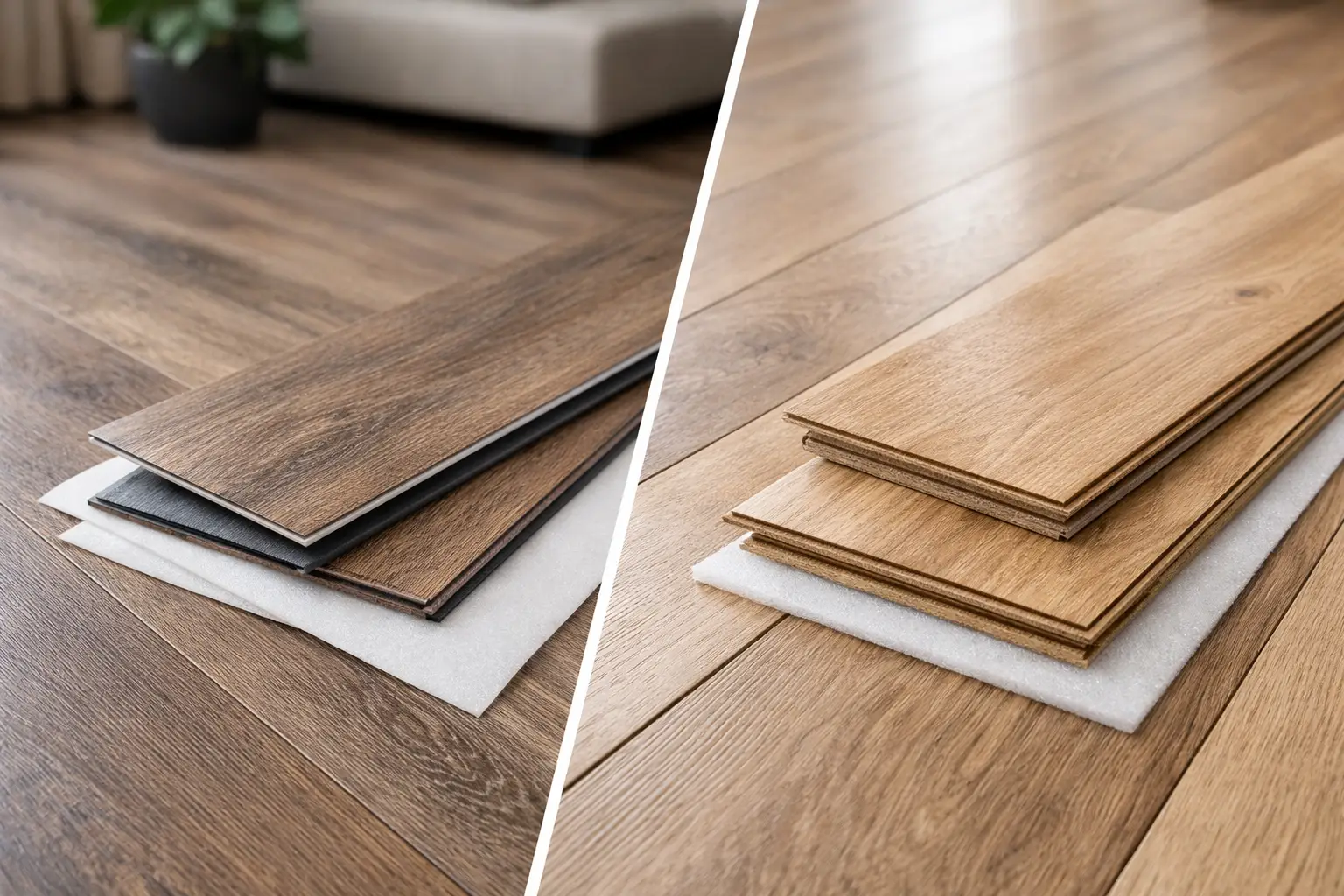
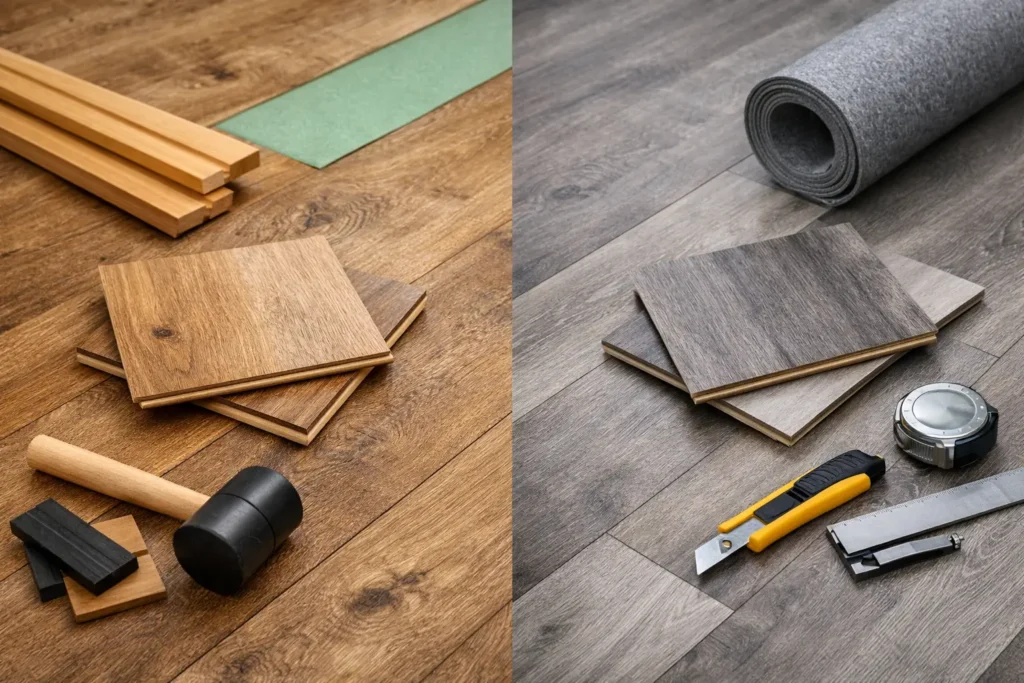
Laminate flooring is built around a fiberboard core with a printed design layer and a protective wear layer on top. It is known for giving a realistic wood-look finish and a firmer feel underfoot. In many living rooms, bedrooms, offices, and finished basements with controlled moisture, laminate can be an attractive and cost-effective solution.
Vinyl flooring, especially luxury vinyl plank or tile, is made from synthetic materials designed to resist moisture more effectively. It comes in a wide range of looks, including wood and stone visuals, and it tends to be quieter and softer underfoot than laminate. In kitchens, bathrooms, laundry rooms, and commercial settings, that moisture resistance often gives vinyl a practical edge.
At first glance, the two can appear very similar. Once installed, though, their differences show up in how they handle water, impact, subfloor movement, and daily wear.
Where Laminate Flooring Makes Sense
Laminate has come a long way in both appearance and quality. Better products offer textured finishes, improved locking systems, and visuals that feel far more premium than older generations of laminate. For many clients, the appeal starts with the look. Laminate often provides strong wood-style visuals with crisp pattern definition and a more natural surface feel.
It also has a solid, substantial feel underfoot that some homeowners prefer. In dry, climate-controlled spaces, that can make a room feel more finished and refined. If the goal is to upgrade bedrooms, hallways, or living areas without stepping into the cost of hardwood, laminate can be a smart middle ground.
The trade-off is moisture. Even water-resistant laminate is not the same as waterproof vinyl. If water gets into the seams or around edges and sits there, the core can swell. Once that happens, the damage usually does not reverse. In homes with active kids, pets, heavy winter moisture, or a higher chance of spills, that risk should be taken seriously.
Laminate also depends heavily on a properly prepared subfloor. Any unevenness below can affect how the planks lock together and how the finished floor feels over time. Good installation matters here just as much as product quality.
Where Vinyl Flooring Has the Advantage
Vinyl flooring is often the safer choice when moisture is part of the equation. Luxury vinyl plank and luxury vinyl tile are designed to handle wet conditions far better than traditional laminate. That makes vinyl a strong fit for kitchens, mudrooms, bathrooms, laundry areas, rental units, and lower-level spaces where conditions are less predictable.
It is also a practical option for high-traffic homes and commercial properties. Vinyl resists scratches, dents, and day-to-day wear well when you choose a quality product with an appropriate wear layer. For property owners looking for durability with a clean finish, that matters.
Another reason many clients prefer vinyl is comfort. It tends to feel slightly softer and warmer underfoot than laminate, and it usually produces less of that hard, hollow sound some floating floors can create. In family homes, multifamily units, or offices where noise control matters, that difference is noticeable.
That said, not all vinyl is premium. Lower-grade products can look artificial, feel thin, or show telegraphing from imperfections in the subfloor. Just because vinyl is durable does not mean every vinyl floor delivers the same finish quality. Product selection and installation standards still determine whether the final result looks clean and lasts.
Laminate vs Vinyl Flooring for Water Resistance
If this decision comes down to one factor, it is often water. Vinyl is the stronger choice in wet or spill-prone areas. It is built for environments where dropped ice cubes, pet accidents, wet boots, or routine mopping are part of normal life.
Laminate can work in spaces with lower moisture exposure, but it requires more caution. A small spill wiped up quickly may not cause a problem. Repeated exposure, standing water, or moisture migrating from below is a different story.
This is especially relevant in parts of Pennsylvania where seasonal moisture, snow, and humidity shifts can affect interior conditions. Entry points, basements, and ground-level rooms need flooring that matches real-world use, not just showroom appearance.
Appearance, Texture, and Overall Finish
Both laminate and vinyl now offer better visuals than many people expect. Wood-look planks, matte finishes, embossed textures, and wider plank formats have made both categories more attractive and more design-friendly.
Laminate often wins when the priority is a crisp, wood-style appearance with a more traditional flooring feel. Some higher-end laminate products offer impressive realism and texture depth. If you want the visual warmth of hardwood in a dry room, laminate may feel closer to that target.
Vinyl has improved significantly in appearance and offers more versatility in design. It works well in contemporary homes, rental renovations, and commercial interiors where durability and clean lines matter as much as style. Stone-look and tile-look vinyl options also expand what is possible beyond standard wood visuals.
The finish quality, however, depends on more than the material itself. Floor prep, layout planning, transitions, trim details, and clean installation all affect whether the room feels polished or average. A good product can still look cheap if the installation is rushed.
Cost Is Not Just About the Material
Many buyers start with material price, but the smarter comparison is installed value. Laminate and vinyl can both fit mid-range budgets, and in some cases their product costs overlap. The better question is what the floor will cost you over time.
If laminate is installed in a room with moisture risk and has to be replaced early, it was not the less expensive option. If low-grade vinyl is chosen simply because it is cheap and it starts separating, denting, or showing wear too soon, that is not value either.
A well-selected floor should fit the space, the use of the room, and the expectations for longevity. That is where experienced guidance matters. A contractor focused on craftsmanship and long-term performance will look beyond the sample board and evaluate how the material will perform in your actual property.
Installation Matters More Than Most People Think
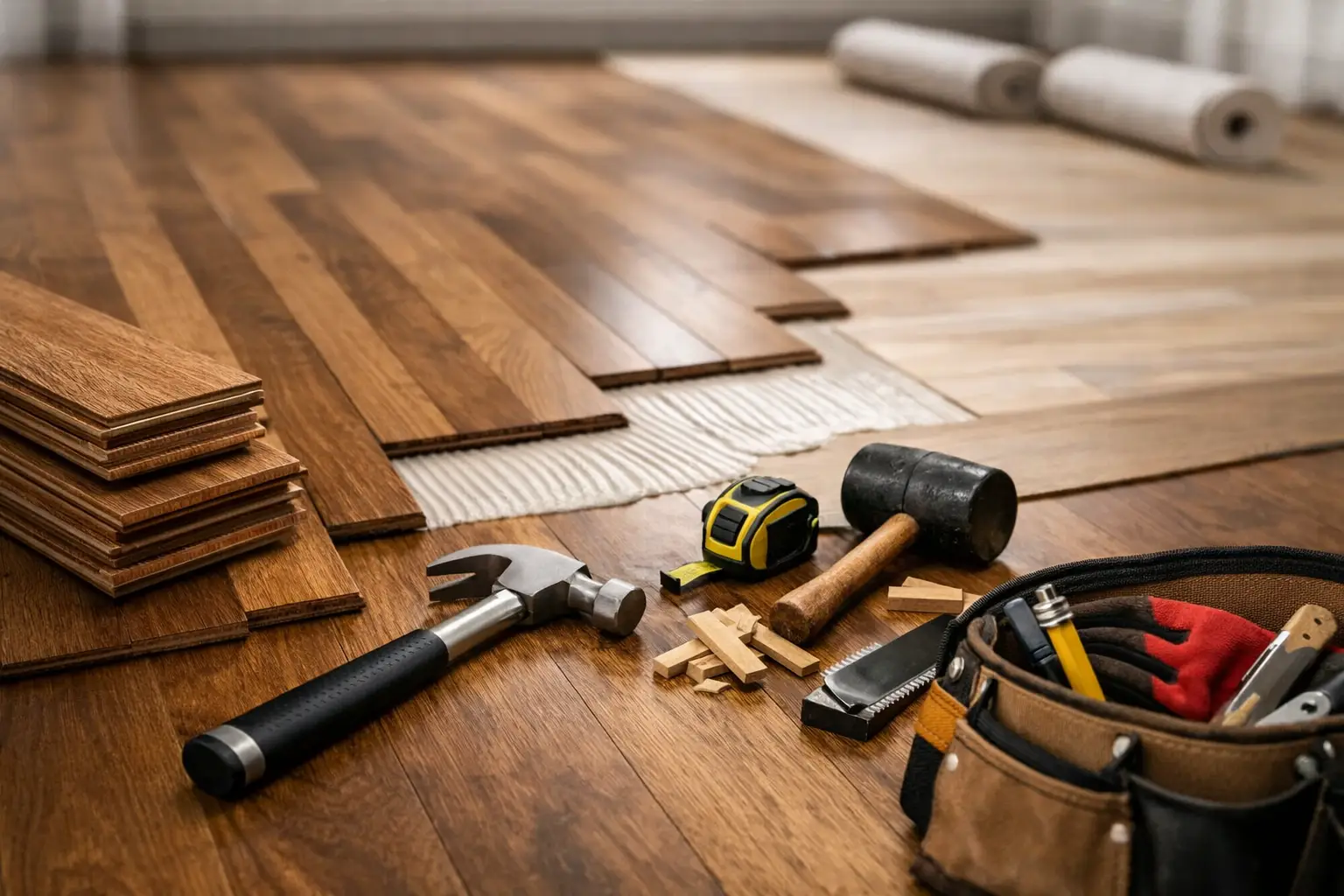
Laminate and vinyl are both marketed as straightforward flooring products, but a clean, durable result depends on proper installation. Subfloor leveling, moisture testing, underlayment selection, expansion spacing, plank direction, and finish detailing all affect the final outcome.
This is where many flooring projects go wrong. The material gets blamed when the real issue was poor prep or rushed workmanship. Gaps, peaking, noise, flexing, and premature wear often start below the surface.
Professional installation protects the investment by addressing the conditions of the room before the first plank goes down. That includes transitions between rooms, trim work, and making sure the floor looks intentional from edge to edge. For a premium result, those details are not optional.
Which One Should You Choose?
If you want the short answer, choose laminate for dry spaces where appearance and a more traditional underfoot feel matter most. Choose vinyl for areas where moisture resistance, durability, and easier maintenance are higher priorities.
But the best answer depends on the room and the property. A primary bedroom has different demands than a rental kitchen. A quiet home office has different needs than a busy entryway. A family with pets and children will use flooring differently than an investor preparing a unit for turnover.
For many homes, the right solution is not picking one material for the entire property without context. It is selecting the best-performing option for each space. That approach usually creates better long-term results than forcing one flooring type into rooms where it is not a strong fit.
At Master Builder Home Improvement LLC, that is how flooring decisions should be handled – with attention to use, finish quality, and long-term value, not just price per square foot.
The best floor is the one that still looks right after real life happens on top of it. Choose the material that fits the space honestly, and you will get a result that feels better every day you walk on it.