

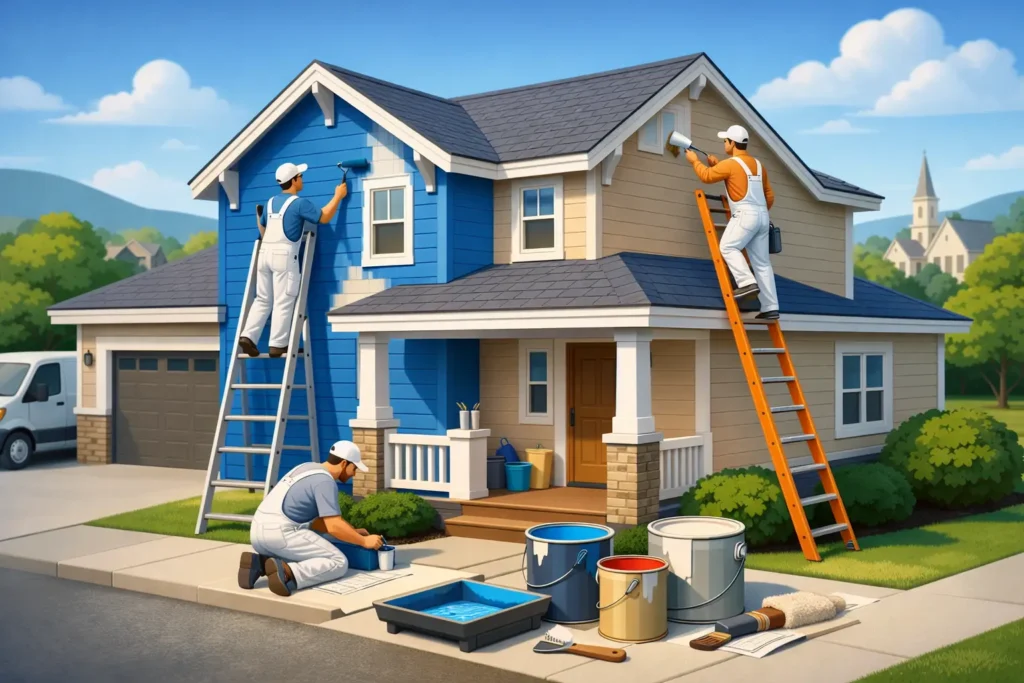
A fresh coat of paint can make a room feel finished, brighter, and more current. It can also expose every uneven drywall seam, brush mark, and missed edge if the work underneath is rushed. That is why homeowners searching for house painters Bethlehem PA can depend on should look beyond color samples and square-foot pricing. Professional painting is a finish trade, and the details determine whether the result looks clean for years or starts showing problems after one season.
For homes throughout Bethlehem and the Lehigh Valley, quality painting begins with a clear plan for the surfaces, the condition of the property, and how each space is used. The right approach protects your investment while giving your home the polished, durable appearance it deserves.
What Quality House Painters in Bethlehem PA Do Differently
The visible paint is only one part of the project. A premium result starts before the first gallon is opened. Experienced painters inspect walls, ceilings, trim, siding, doors, and other surfaces for cracks, nail pops, peeling coatings, water staining, wood damage, and failed caulk. These issues do not disappear under a new color. If they are not addressed correctly, they can shorten the life of the finish and make an otherwise updated room look incomplete.
Preparation may include patching drywall, sanding repairs smooth, scraping loose paint, caulking gaps, spot-priming stains, or applying a full primer coat where conditions require it. Exterior work can call for more extensive cleaning, surface repairs, and attention to areas where moisture is likely to enter. The exact scope depends on the home, but a professional estimate should explain what preparation is included rather than treating it as an afterthought.
Clean protection also matters. Floors, furniture, landscaping, fixtures, and surrounding surfaces should be covered or masked before work starts. Crisp cut lines at ceilings, trim, windows, and cabinetry are signs of careful execution. So is a jobsite that is kept orderly throughout the project and left clean when the work is complete.
Paint Selection Is About More Than Color
Paint color affects mood, natural light, and the perceived size of a room. But sheen, product type, and surface compatibility are equally important. A beautiful color can still disappoint if the wrong coating is used in a high-traffic hallway, a humid bathroom, or on exterior wood exposed to Pennsylvania weather.
For interior walls, a washable eggshell or satin finish is often a practical choice for active households because it offers a subtle sheen and easier maintenance. Flat finishes can create an elegant, low-reflection look on ceilings and well-prepared walls, but they may show scuffs more easily. Semi-gloss is commonly used on trim, doors, and other surfaces that need added durability and a more defined finish.
Exterior selections require even more consideration. Sun exposure, moisture, temperature changes, and the material being painted all affect performance. Wood siding, fiber cement, stucco, brick, and previously coated surfaces may need different products and preparation methods. A skilled contractor recommends a paint system that fits the condition of the surface instead of applying the same product to every part of the property.
Color decisions also benefit from testing. A sample that looks warm in a store may appear cooler against north-facing light, or much darker on a large wall. Testing a few samples in the actual room and viewing them at different times of day prevents expensive second-guessing once the project is underway.
Interior Painting That Supports a Better Home
Interior painting is one of the most effective ways to modernize an older home without changing its layout. It can bring consistency to an open floor plan, make dated trim feel more refined, or give a renovated kitchen or bathroom the finished appearance it needs. When paired with drywall repairs, new flooring, or updated fixtures, a well-executed paint job ties the whole project together.
The best time to paint often depends on the larger scope of work. If you are remodeling a bathroom, finishing drywall, replacing flooring, or adding custom trim, painting should be scheduled after the dust-producing work is complete and before final fixtures are installed where possible. Coordinating these stages reduces touch-ups and helps protect new materials.
For occupied homes, communication is just as valuable as craftsmanship. Homeowners need to know which rooms will be in use, where furniture should go, how long coatings need to dry, and what access the crew will need each day. A professional painting team plans around the household whenever possible while still maintaining the conditions needed for a reliable finish.
Exterior Painting Is Protection With Curb Appeal
Exterior paint has a harder job than interior paint. It needs to withstand rain, humidity, freeze-thaw cycles, direct sun, and everyday wear while preserving the appearance of the home. When exterior coatings begin to peel, crack, fade, or separate around trim, the concern is not only curb appeal. Exposed surfaces can allow moisture to reach wood and other vulnerable materials.
Painting at the right time can help prevent smaller maintenance issues from becoming more involved repairs. That does not mean every faded surface needs immediate repainting. Some coatings may simply need cleaning, while others may require targeted repairs and repainting in high-exposure areas. An honest assessment should distinguish between cosmetic updates and conditions that need protection now.
Weather conditions also affect the schedule. Exterior painting needs dry surfaces and temperatures within the coating manufacturer’s recommended range. A dependable contractor does not force a project forward during unsuitable weather just to meet an arbitrary date. The trade-off is that the timeline may shift slightly, but proper conditions give the coating a better opportunity to adhere and cure as intended.
Questions to Ask Before Hiring a Painting Contractor
A detailed conversation before work begins can prevent confusion later. Ask how the contractor will handle surface repairs, what paint products are proposed, how many coats are included, and whether primer is part of the plan. You should also understand what is excluded, especially when hidden damage or extensive repairs may only become visible after preparation begins.
It is useful to ask how the crew will protect floors, landscaping, and furniture, as well as how daily cleanup and final walkthroughs are handled. Price matters, but the lowest number can leave out preparation, materials, or the time required to achieve a clean finish. Comparing estimates line by line gives a clearer picture of the value being offered.
Homeowners should also look for reliable communication. Painting projects move efficiently when there is one clear scope, realistic expectations, and prompt updates if conditions change. That level of organization is especially important for landlords, property investors, and small commercial owners who may need the work coordinated around tenants, business hours, or a turnover schedule.
When Painting Should Include Repairs or Remodeling Work
Sometimes paint is the right solution. Sometimes it is the final step in solving a larger issue. Repeated cracks, staining, soft exterior wood, damaged trim, uneven walls, or aging finishes may point to repairs that should be completed first. Covering a problem without correcting its cause can lead to recurring damage and another round of painting sooner than expected.
This is where a remodeling-minded contractor brings added value. Master Builder Home Improvement LLC can evaluate painting as part of a broader improvement plan that may include drywall repair, framing, flooring, trim work, bathroom upgrades, or restoration. Coordinating the work through one skilled team helps create a more consistent finish and reduces the risk of one trade damaging another trade’s completed work.
A quality paint project should make your property feel cared for, not merely changed. Choose a team that respects the preparation, materials, and finishing details behind the color, and your home will show the difference long after the painters have packed up.