
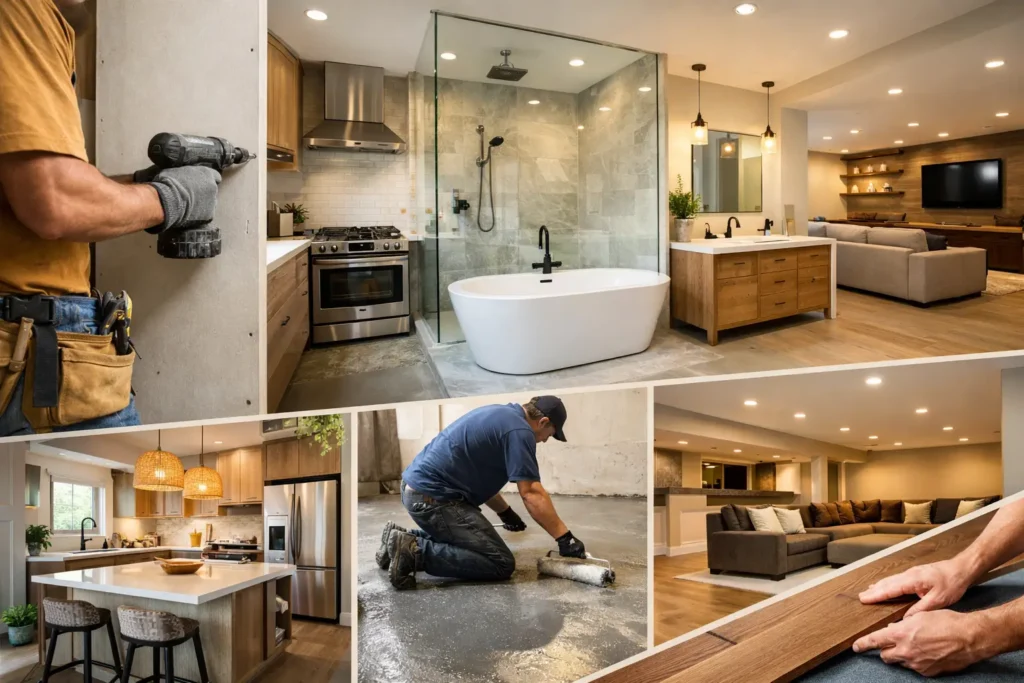
A remodel should do more than look current for a season. The remodeling trends 2026 homeowners are responding to are centered on durable materials, easier maintenance, better storage, and finishes that make a property feel finished instead of simply updated. For homes, rentals, and small commercial spaces across the Lehigh Valley, the strongest projects balance visual impact with work that holds up to everyday use.
Remodeling Trends 2026: Practical Upgrades Lead
The biggest shift is toward intentional remodeling. Homeowners are moving away from rooms filled with short-lived design features and putting more attention on quality surfaces, thoughtful layouts, and details that reduce daily frustration. A kitchen that stores appliances properly, a bathroom that is easier to clean, or flooring that handles pets and heavy foot traffic can deliver more lasting value than a long list of decorative upgrades.
This does not mean every remodel needs to be neutral or minimal. Color, texture, and personality still matter. The difference is that they are being added through elements that can work with the home for years, such as a well-chosen backsplash, painted cabinetry, textured plaster walls, lighting, and hardware. The goal is a space that feels current without needing to be redone when the next trend arrives.
Warm neutrals replace cold gray
Cool gray finishes dominated many remodels for years. In 2026, warmer paint colors and natural-looking materials are taking their place. Soft beige, mushroom, taupe, muted olive, clay, and warm white create a more comfortable backdrop in bedrooms, living spaces, kitchens, and commercial interiors.
The key is choosing colors based on the room’s natural light and existing fixed elements. A paint color that looks clean in a bright Easton kitchen may appear too dark in a lower-level family room. Professional surface preparation and clean drywall repair matter just as much as the color itself. Even premium paint cannot hide poor patching, uneven texture, nail pops, or damaged corners.
Natural texture with a controlled finish
Flat, featureless walls are giving way to subtle texture. Venetian plaster, limewash-inspired finishes, wood accents, matte tile, and stone-look surfaces add depth without making a room feel busy. These materials work especially well for powder rooms, dining areas, fireplace walls, restaurant interiors, and entryways where a small amount of character has a big effect.
Texture has a trade-off. It should be used where it supports the room, not across every wall. Highly textured finishes can be more difficult to touch up later, and overly busy patterns can limit future design changes. A focused accent wall or carefully finished feature area often creates a stronger result than covering an entire space.
Kitchens Built for Daily Use
Kitchen remodeling continues to be one of the most valuable ways to improve a home, but the 2026 approach is less about oversized showpieces and more about function. Homeowners want clean cabinet lines, durable counters, useful task lighting, and storage that keeps the work zone organized.
Cabinet painting remains a practical option when existing cabinet boxes are solid and the layout still works. A professional cabinet finish can modernize an outdated kitchen while preserving the budget for new flooring, a backsplash, improved lighting, or countertop replacement. However, paint is not the right answer for cabinets with major water damage, loose construction, or a layout that no longer meets the household’s needs.
Backsplashes are becoming more design-focused, with handcrafted-looking tile, vertical layouts, warm white tones, and natural variation. The best choice depends on maintenance expectations. A highly textured tile can create a distinctive look, while a simpler format may be easier to clean behind a range or sink. Good installation includes proper layout, clean cuts, consistent spacing, and durable grout work.
The hidden value of better storage
More usable storage is often what makes a kitchen feel truly remodeled. Pantry improvements, deeper drawers, organized base cabinets, and dedicated spaces for small appliances make daily routines easier. This trend is especially useful for landlords preparing a rental property for stronger tenant appeal and for homeowners working with a modest kitchen footprint.
A smart layout also considers traffic flow. Relocating a doorway, adjusting a peninsula, or opening a non-structural wall may improve how the kitchen works. Any framing changes should be evaluated carefully as part of the project scope, rather than treated as an afterthought.
Bathrooms That Feel Clean, Calm, and Durable
Bathroom remodeling trends are moving toward a spa-like feel, but the practical side remains essential. Large-format wall tile, walk-in showers, floating vanities, warm lighting, and matte black or brushed metal fixtures can create a polished look. Behind those finishes, proper wall preparation, moisture-resistant materials, and careful installation determine how well the room performs over time.
For smaller bathrooms, a clean layout can be more valuable than adding too many features. A well-sized vanity, improved lighting, fresh wall finishes, durable flooring, and a thoughtfully tiled shower can make a compact room feel larger and more comfortable. Light colors can help, but contrast and texture can also work when the room has enough lighting.
Property owners should select finishes with their maintenance needs in mind. Natural stone may offer a premium appearance but generally requires more care than porcelain tile. Deep grout lines can add visual interest but take more effort to keep clean. The right material is the one that fits the space, expected use, and long-term upkeep plan.
Flooring Trends Favor Durability and Continuity
Flooring is one of the most noticeable changes in a remodel because it affects nearly every room. Luxury vinyl plank and quality laminate flooring remain popular for their durability, straightforward maintenance, and broad range of wood-look styles. They are practical choices for busy households, rental properties, basements, and commercial areas where appearance and wear resistance both matter.
A consistent flooring selection across connected rooms can make a home feel more open and cohesive. Still, continuity is not always the best choice. Bathrooms, laundry rooms, and entry areas may need a material selected specifically for moisture exposure and traction. Proper subfloor preparation is also critical. Floors can only look as good as the surface beneath them, and uneven areas can lead to movement, gaps, or premature wear.
For garages, basements, showrooms, and workspaces, epoxy floor coatings continue to offer a clean, durable finish. Surface preparation determines the outcome. Concrete needs to be assessed and prepared correctly so the coating bonds well and performs as intended.
Finished Basements and Flexible Rooms
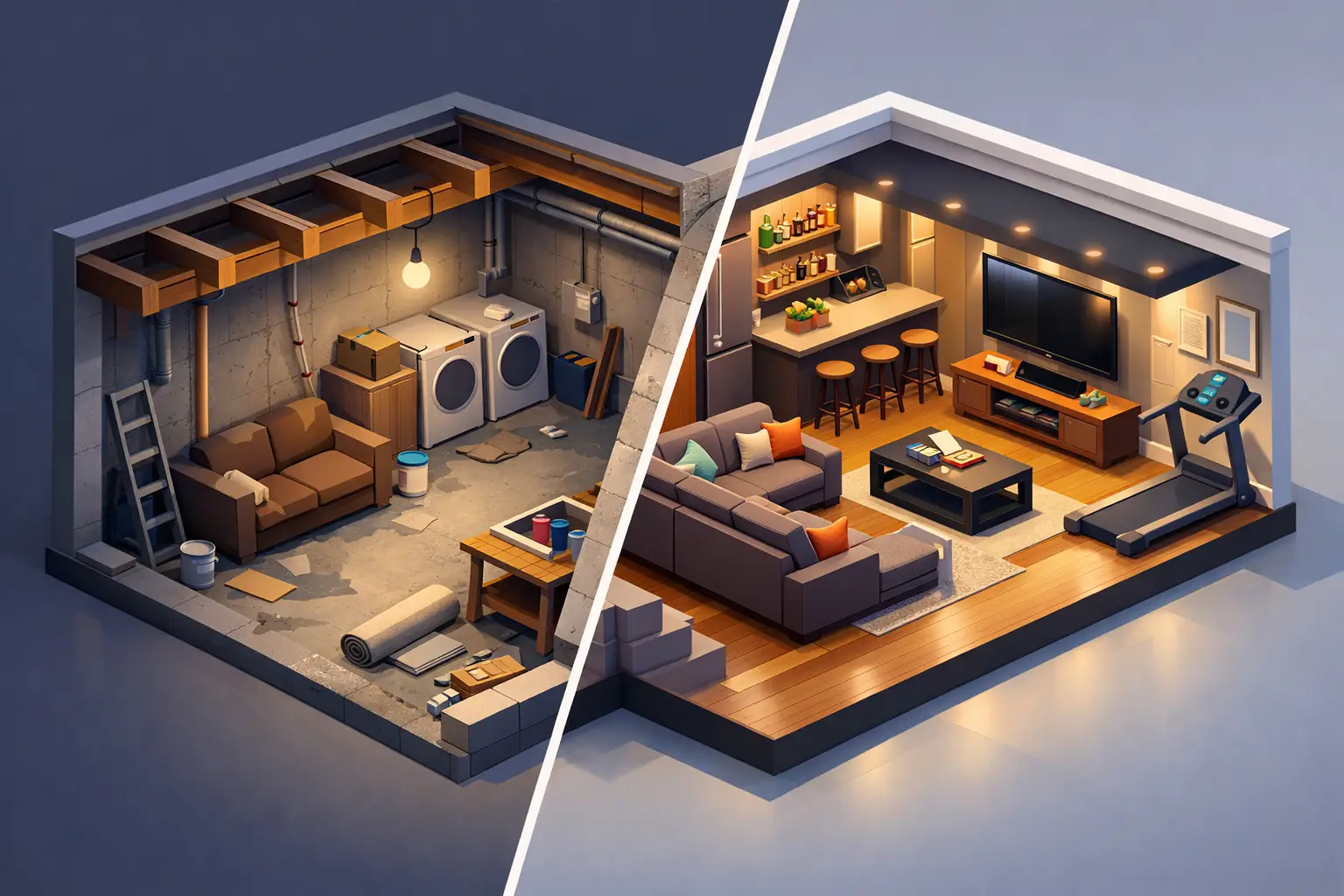
Homes are being asked to do more. A finished basement can provide a family room, office, workout area, guest space, or entertainment zone without the cost and disruption of a full addition. In 2026, basement projects are leaning toward flexible layouts rather than highly specialized rooms that may not fit future needs.
Before selecting flooring and wall finishes, the space should be evaluated for moisture conditions, ceiling height, access, and the intended use. Drywall installation, framing, lighting plans, and durable floors need to work together. A basement that looks finished but ignores these basics can become difficult to maintain.
Flexible rooms are also gaining attention on main floors. A spare bedroom, formal dining room, or unused office can be refreshed with paint, repaired drywall, new flooring, and better storage to support how the household actually lives now.
A Better Remodel Starts Before Materials Are Chosen
The most valuable 2026 trend is better planning. Homeowners and business owners want clear scopes, realistic material decisions, clean job sites, and consistent communication throughout the project. Those basics protect the investment and make the experience more manageable.
Before work begins, prioritize the parts of the space that affect performance first: damaged drywall, worn flooring, inadequate storage, outdated surfaces, or a layout that creates daily problems. Then choose finishes that support the property’s style and expected use. This approach helps prevent a remodel from becoming a collection of disconnected upgrades.
At Master Builder Home Improvement LLC, that practical mindset guides remodeling work throughout Easton, Allentown, Bethlehem, and the surrounding Lehigh Valley. Quality preparation, durable materials, and clean finishes remain the foundation of any design direction. The best trend to follow is the one that makes your property more comfortable, more functional, and built to keep making a strong impression long after 2026.