
A rental can look updated on showing day and still create expensive turnover work six months later. The difference often comes down to material selection and preparation. Premium finishes for investment properties are not about adding unnecessary luxury. They are about choosing surfaces, fixtures, and details that look professional, hold up to regular use, and make the property easier to maintain between tenants.
For landlords and investors in Easton, Allentown, Bethlehem, and across the Lehigh Valley, the strongest improvements usually balance visual appeal with predictable upkeep. A clean paint job, durable flooring, properly repaired drywall, and a well-finished bathroom can influence how prospects view the property before they ask about anything else. Just as important, those finishes can reduce the patchwork repairs that make a unit feel tired over time.
What Makes a Finish Worth the Investment?
A premium finish should earn its place in the project. It needs to improve durability, simplify maintenance, support a higher-quality presentation, or solve a problem in the space. The best choices often do more than one of these jobs.
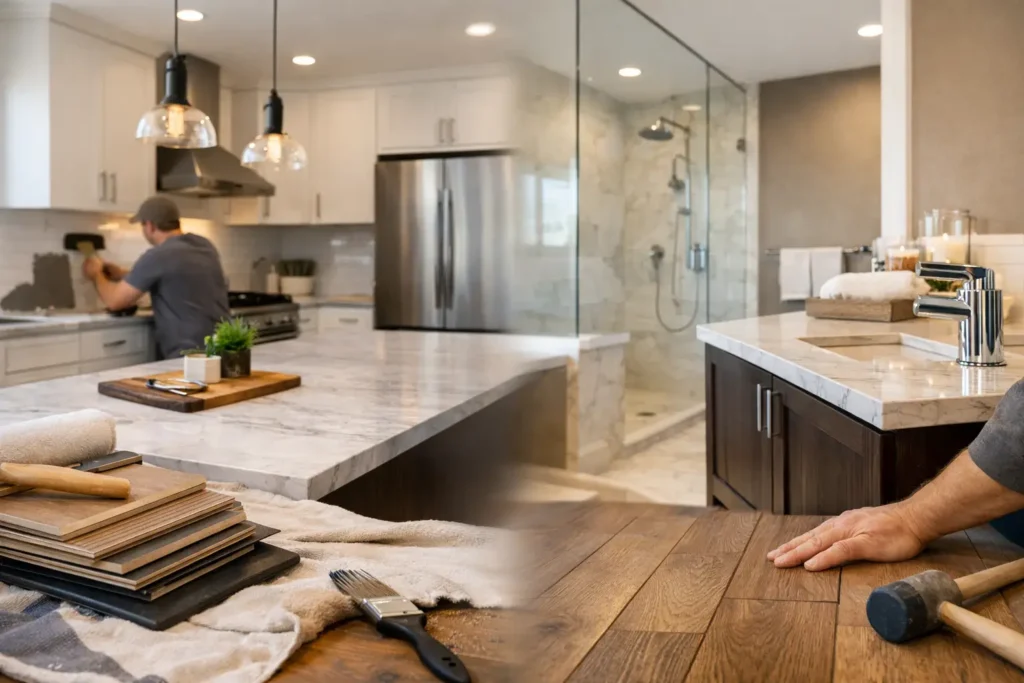
For example, luxury vinyl plank flooring can provide a modern wood-look surface while resisting many of the scratches, moisture concerns, and seam issues common with lower-grade flooring. In a kitchen, a properly installed backsplash protects drywall from cooking splatter and gives the room a more complete appearance. In a bathroom, a durable vanity, moisture-resistant paint, and clean caulk lines help the space remain presentable through daily use.
Premium does not always mean the most expensive material in the showroom. A high-end finish that is difficult to replace or needs specialized care may not make sense in every rental. The right choice depends on the property type, tenant profile, neighborhood, expected rent range, and how long the owner plans to hold the asset.
Premium Finishes for Investment Properties: Where They Matter Most
Some areas carry more weight with tenants, buyers, and future appraisers than others. Focusing the budget on these visible, high-use spaces generally produces better results than spreading it across minor cosmetic upgrades.
Durable flooring sets the standard
Flooring takes more abuse than nearly any interior surface. It faces moving furniture, pets, dropped objects, wet shoes, and frequent cleaning. When flooring is mismatched, worn, or poorly installed, even a freshly painted unit can feel unfinished.
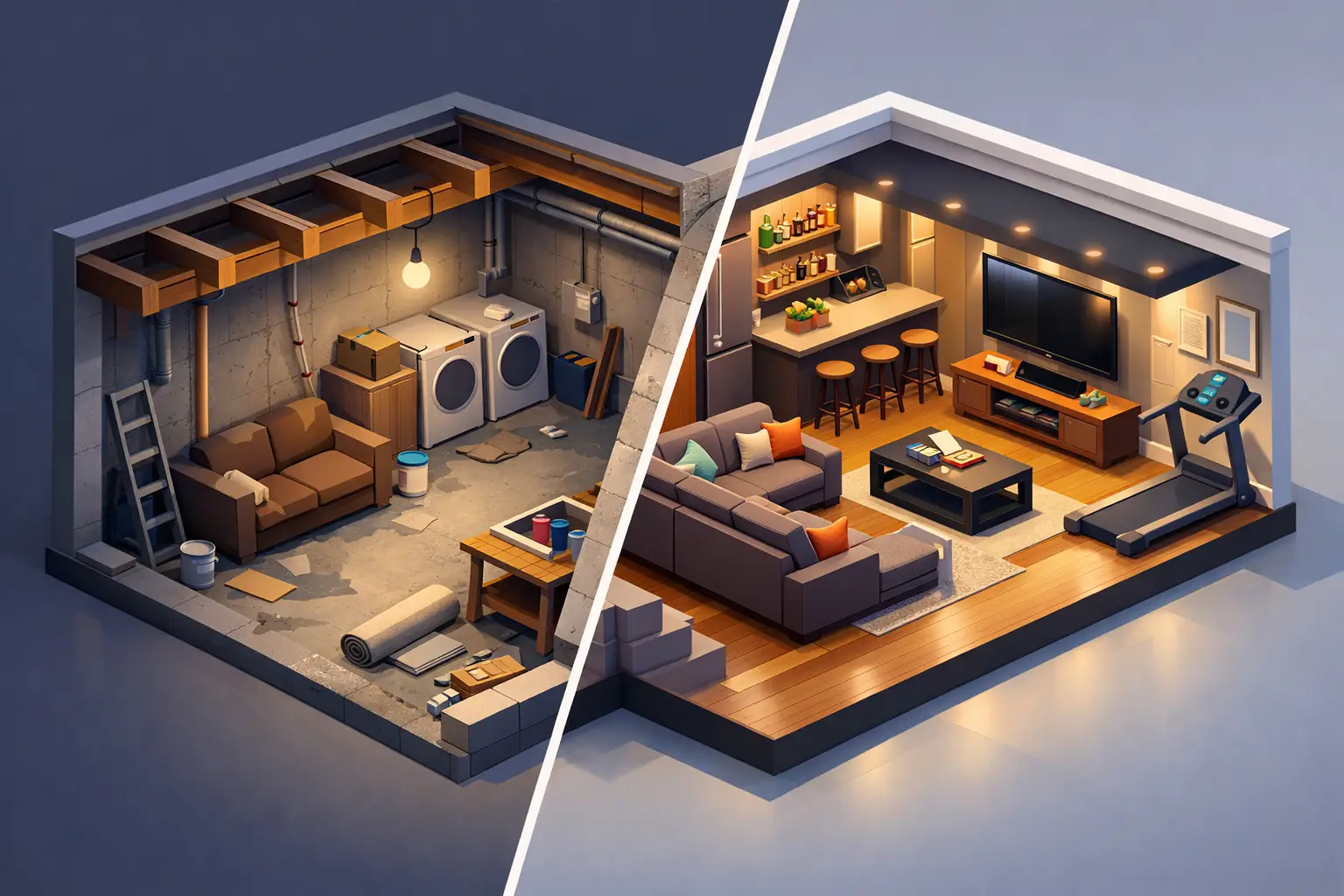
LVP and quality laminate flooring are practical options for many investment properties because they offer a consistent appearance, straightforward cleaning, and broad design flexibility. LVP is particularly useful in areas where moisture resistance matters, such as kitchens, entryways, and finished basements. Installation quality is critical. Proper subfloor preparation, transitions, expansion spacing, and trim work affect both appearance and long-term performance.
Carpet can still be appropriate in selected bedrooms or lower-cost units, but it typically requires more frequent replacement and can hold odors and stains. For investors seeking a cleaner, more uniform turnover process, continuous hard-surface flooring through main living areas is often a stronger long-term decision.
Professional paint protects and presents the space
Paint is one of the most visible finishes in a rental, but the quality of the preparation matters as much as the final color. Walls with poor patches, flashing, roller marks, or uneven cut lines can make a recently renovated property look rushed.
A professional painting scope should include drywall repairs, sanding, surface cleaning, primer where needed, and careful protection of floors, fixtures, and trim. Durable interior paint in a neutral, current color palette helps a property appeal to more prospects while making touch-ups and future turnovers more manageable.
Warm whites, soft greiges, and balanced light grays remain useful choices because they work with a range of flooring and cabinet colors. Very dark walls or highly personal color choices can be effective in the right setting, but they may require additional repainting between tenants. For investment units, consistency is often more valuable than a trend that is difficult to maintain.
Kitchens benefit from focused upgrades
A full kitchen remodel is not always necessary to improve a rental property’s position in the market. In many cases, a targeted upgrade delivers a better return. Cabinet painting, new hardware, updated lighting, a durable backsplash, and improved flooring can change the impression of an older kitchen without moving plumbing or changing the entire layout.
Cabinet painting is especially effective when the cabinet boxes are solid and the doors are in good condition. The work requires detailed prep, appropriate coatings, and a controlled application process. A quick coat of paint over grease, worn edges, or damaged surfaces will not hold up. When completed correctly, refreshed cabinetry can make the room feel cleaner and more current while preserving a workable budget.
For higher-end rentals or properties being prepared for sale, countertops and fixture upgrades may be justified. The key is selecting materials that match the property. A modest apartment does not necessarily benefit from finishes designed for a luxury single-family home, while a renovated home in a competitive neighborhood may need more than basic replacements to stand out.
Bathrooms need moisture-resistant details
Bathrooms are small, but tenants notice every detail. Cracked caulk, loose flooring, stained grout, damaged drywall, and outdated lighting can quickly affect the overall perception of a unit. Because bathrooms see constant moisture, shortcuts become visible faster here than in almost any other room.
A well-planned bathroom update may include drywall repair, moisture-resistant paint, new flooring, a modern vanity, updated fixtures, clean tile or surround work, and improved ventilation considerations. The goal is a space that feels clean and solid, not overly decorative.
Neutral tile, simple fixture finishes, and durable vanity materials usually age better than highly specific trends. Good installation also protects the investment behind the walls. Proper transitions, sealed edges, and carefully finished surfaces help reduce the risk of recurring cosmetic damage caused by normal bathroom use.
Drywall and trim define the level of workmanship
Investors sometimes focus on fixtures and flooring while overlooking the surfaces that frame the entire room. Straight drywall, crisp corners, smooth repairs, aligned baseboards, and clean trim work are what make a property feel professionally finished.
This is especially relevant after plumbing, electrical, or layout changes. Framing and drywall should be completed with attention to flat surfaces, proper corner treatment, and a finish level appropriate for the lighting in the room. A wall that appears acceptable in low light may reveal uneven repairs once sunlight hits it.
Trim upgrades can also add value without major construction. Replacing damaged baseboards, correcting inconsistent transitions, and finishing door casings cleanly gives flooring and paint a completed look. These details are not always the first thing a prospect names, but they strongly shape the impression of overall care.
Plan for Turnover, Not Just the First Tenant
The most profitable finish is often the one that makes the next turnover easier. Standardizing materials across multiple units can help owners keep matching paint, replacement planks, cabinet hardware, and common fixtures available when repairs are needed. This reduces guesswork and prevents each unit from becoming a separate maintenance challenge.
It is also wise to think about repairability. A floor with a few replaceable planks may be more practical than a surface that requires broad replacement after localized damage. A readily available faucet style may be easier to service than a specialty fixture. Durable does not mean indestructible, so choosing finishes with a realistic repair path matters.
Documentation supports this process. Keeping records of paint colors, flooring product lines, fixture models, and installation dates allows owners or property managers to make faster decisions later. Detailed estimates and a clear scope of work provide a useful starting point before the project begins.
Avoid Finishes That Create More Work Than Value
Some upgrades photograph well but do not always perform well in a rental setting. Delicate surfaces, bright white grout in high-use bathrooms, open shelving, overly textured walls, and hard-to-source specialty fixtures can add maintenance demands without improving the property’s long-term position.
That does not mean these finishes are always wrong. A furnished rental, a high-end townhome, or a property aimed at a specific market may justify more design-forward choices. The decision should be intentional rather than based on a showroom display or a short-term trend.
A reliable contractor can help separate visual upgrades from improvements that protect the property and support its income potential. Master Builder Home Improvement LLC approaches remodeling work with practical planning, clean workmanship, durable materials, and attention to the finished details that tenants and buyers notice.
When planning an upgrade, start with the surfaces people touch, walk on, and see first. A property with solid flooring, smooth walls, clean paint, functional kitchens and bathrooms, and carefully finished trim sends a clear message: this is a well-maintained place to live, and it was built to last.