

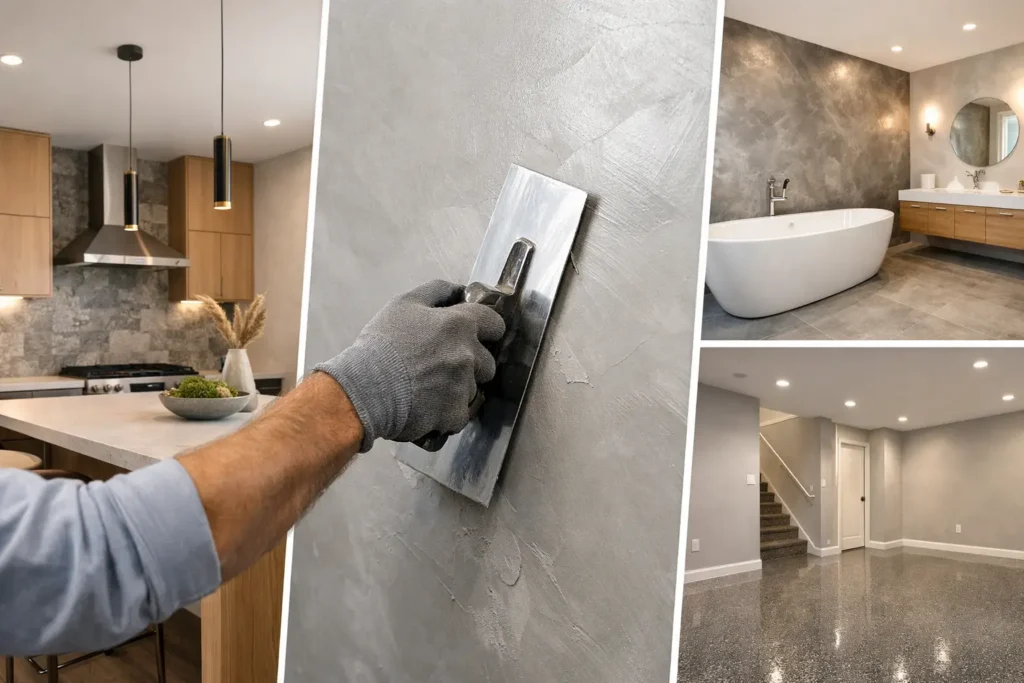
A wall finish is not just a color choice. It is the surface you see at eye level every day, and it can either make a renovated room feel complete or expose every uneven seam and rough repair. Premium wall finishes for modern homes bring together the right material, careful surface preparation, and clean application. For homeowners in Easton, Allentown, Bethlehem, and across the Lehigh Valley, that combination can add real comfort, durability, and value to a property.
What Makes a Wall Finish Feel Premium?
Premium does not have to mean flashy. In a well-designed home, a premium finish often looks controlled, consistent, and appropriate for the room. Paint lines are straight, drywall surfaces are smooth where they should be smooth, textures are intentional, and the finish holds up to normal use.
The difference usually starts before the final coat goes on. Walls may have old nail holes, settlement cracks, poorly blended patches, peeling paint, or uneven areas left behind by previous work. Covering those problems with a new color rarely produces a professional result. Repairing the substrate, applying the correct primers, and using materials suited to the surface creates a finish that looks better from every angle, including in direct afternoon light.
A premium result also considers how a room is used. A formal dining room can support more decorative detail than a high-traffic hallway. A bathroom needs finishes that handle humidity. A rental property may benefit from a durable, easy-to-maintain coating in a versatile color. The best finish is not always the most expensive option. It is the one that performs well in the space and supports the owner’s goals.
Choosing Premium Wall Finishes for Modern Homes
Modern homes often rely on clean forms, layered neutrals, natural textures, and strong contrast. Walls help tie those elements together. The right selection depends on the architecture, lighting, furnishings, and how much maintenance the owner wants over time.
High-quality interior paint
Paint remains one of the most practical wall finishes because it offers broad color flexibility and can transform a room without changing its layout. The sheen matters as much as the color. Flat and matte finishes create a soft, modern look and reduce glare, but they can be less forgiving in busy areas. Eggshell and satin provide more washability while keeping a refined appearance. Semi-gloss is often best reserved for trim, doors, and areas that need frequent cleaning.
For a modern interior, warm whites, soft greiges, charcoal accents, muted greens, and deep blue tones can all work well when balanced with flooring and natural light. A bold feature wall can be effective, but it should have a purpose. It may define a dining area, frame a fireplace, or give a bedroom more depth. Random accent walls can make a home feel dated rather than current.
Quality paint also depends on proper application. Even premium products can look uneven when the wall is not repaired, primed, or cut in carefully around trim and ceilings. Clean protection of floors, cabinets, fixtures, and furniture matters just as much as the final coat.
Venetian plaster for depth and character
Venetian plaster is a strong choice for homeowners who want more visual dimension than paint can provide. Applied in layered coats and finished by hand, it creates movement, depth, and a natural variation that feels more architectural than a flat painted wall. Depending on the product and technique, the look can range from soft and subtle to polished and dramatic.
This finish works especially well on fireplace surrounds, dining room feature walls, entryways, powder rooms, and selected commercial spaces. It is not always the right choice for every wall in every house. Large areas require careful planning, and the finish should complement the rest of the room instead of competing with it. When used selectively, Venetian plaster can become a focal point that adds distinction without making the space feel overdesigned.
Smooth drywall and intentional texture
Drywall is the foundation behind many high-end wall finishes. A smooth, properly finished wall gives paint and plaster the clean canvas they need. It is particularly important in open-concept homes and rooms with large windows, where shadows can reveal seams, fasteners, and poor patchwork.
Some homeowners prefer a light texture to reduce the visibility of minor imperfections or to match the existing style of the home. Texture can be practical, but it should be consistent and chosen with care. Heavy, outdated texture can limit future design options and make repairs more noticeable. In many modern renovations, a smooth finish or a subtle texture provides the best balance of clean appearance and long-term flexibility.
Wall Preparation Determines the Final Result
The most attractive finish can fail if it is applied over weak or damaged surfaces. Before painting or applying decorative material, a professional review should identify moisture staining, loose drywall tape, cracks, holes, peeling coatings, and previous repairs that need attention.
Cracks require more than a quick pass of filler. The area may need reinforcement, proper joint compound work, sanding, and primer to reduce the chance of the repair showing through later. Water-related damage should be addressed at its source before cosmetic work begins. Finishing over an active problem can lead to bubbling, staining, or repeated repairs.
Preparation also includes protecting the job site. Homeowners should expect floors, furniture, countertops, and nearby finishes to be covered as needed. Dust control, organized materials, and daily cleanup are practical signs of a contractor who respects the property. A premium finish should not come at the cost of a careless work area.
Match the Finish to Each Room
Different rooms place different demands on walls. Kitchens, bathrooms, mudrooms, stairwells, and hallways all see more contact, moisture, or cleaning than a formal living room. In these spaces, durable paint systems and appropriate sheen levels are often the better investment. The wall finish should be attractive, but it also needs to withstand real life.
Bedrooms and home offices allow more freedom with soft matte colors and decorative treatments because they typically receive less wear. A basement may need additional drywall repair or moisture-aware planning before choosing its final color and finish. For landlords and property investors, neutral colors and durable, repairable finishes can help simplify turnover work while keeping the unit appealing to prospective tenants.
For small commercial properties, the finish should support the customer experience and daily operations. A restaurant, office, salon, or retail space may benefit from walls that are cleanable, cohesive with the brand, and durable in high-contact areas. Decorative plaster can create a memorable focal point, while durable paint protects the rest of the space from routine wear.
Consider Lighting Before Finalizing Color and Sheen
Lighting changes how wall finishes read. A color that looks warm in a paint store can appear gray in a north-facing room or overly yellow under certain interior bulbs. Gloss levels also become more visible under bright recessed lights and large windows. The more reflective the finish, the more it can highlight wall irregularities.
Testing samples on the actual wall is a sensible step, especially for stronger colors and specialty finishes. View them in daylight and at night, then consider how they look next to flooring, cabinetry, trim, and furniture. This small amount of planning can prevent disappointment after the work is complete.
Value Is More Than the Material Cost
When comparing wall finishing proposals, look beyond the stated paint brand or decorative product. The scope should explain surface repairs, prep work, primer needs, number of coats, protection measures, and the areas included. Detailed estimates reduce misunderstandings and help property owners compare work fairly.
A lower initial number may not account for needed drywall repairs, stain blocking, extensive sanding, or the time required to produce a smooth finish. On the other hand, not every room needs a specialty treatment. A thoughtful plan may use durable paint throughout most of the home and reserve Venetian plaster or a feature finish for the areas where it will have the most impact.
That approach protects the budget while still creating a polished, modern result. It also supports resale value because buyers and tenants notice well-maintained walls, clean lines, and finishes that feel current rather than temporary.
Plan the Project Around the Whole Space
Wall finishing is often part of a larger renovation. New flooring, cabinet painting, a backsplash, updated trim, or bathroom remodeling can all affect the best color and finish choices. Coordinating these decisions early prevents mismatched undertones and unnecessary touch-ups later.
Master Builder Home Improvement LLC approaches finish work with practical project planning, detailed preparation, and professional communication. Whether the goal is a refreshed rental, a modernized family home, or a refined commercial interior, the focus should remain on craftsmanship that looks right on day one and continues to add value over time.
The strongest wall finishes do not demand attention for the wrong reasons. They make a room feel complete, support the way the property is used, and give homeowners confidence that the work was done with care. Built to Last. Made to Impress.