
One wall cracks after a minor settling shift. Another hides decades of wear behind a smooth, solid finish that still feels substantial. That is usually where the drywall vs plaster walls conversation becomes real for property owners – not in theory, but when repair costs, finish quality, and long-term value are on the line.
If you are updating an older home, finishing a renovation, or planning interior improvements in a commercial space, the right wall system matters more than most people expect. It affects installation time, durability, sound control, repair strategy, and the final look of the room. Both materials can perform well, but they solve different problems and suit different types of properties.
Drywall vs Plaster Walls: The Core Difference
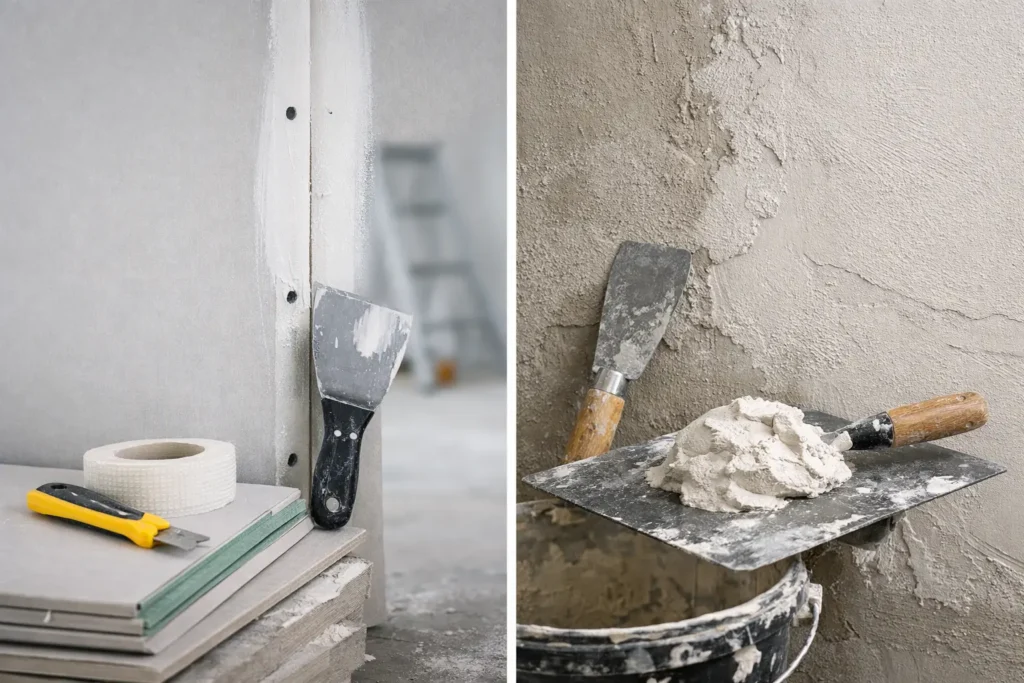
Drywall is a panel product. It is typically made from a gypsum core wrapped in paper, then fastened to framing and finished with joint tape and compound. It became the standard in modern construction because it installs faster, costs less, and creates a clean surface ready for paint or texture.
Plaster is a hand-applied finish system. In older homes, traditional plaster was often applied in multiple coats over wood lath. In more modern applications, plaster can also be installed over blueboard or other specialty substrates. It takes more labor, more skill, and more time to execute well, but it produces a denser and often more refined finish.
For most homeowners, the practical distinction is simple. Drywall is the efficient, cost-effective standard for most remodeling work. Plaster is the premium, more specialized option when architectural character, depth, and finish quality are the priority.
Where Drywall Makes More Sense
Drywall is the right fit for many renovation projects because it balances speed, affordability, and performance. In kitchens, bathrooms, basements, bedrooms, offices, and retail interiors, it delivers a reliable finished surface without extending the project timeline more than necessary.
That matters when a client wants a remodel completed on schedule, especially in occupied homes or active business spaces. Drywall is easier to frame around, easier to patch in sections, and easier to integrate when walls are being opened for electrical, plumbing, insulation, or layout changes.
It also provides flexibility. If a room needs a smooth Level 4 or Level 5 finish for modern paint colors and clean trim lines, drywall can absolutely deliver that result when installed and finished properly. The material itself is not the only factor. Craftsmanship is what determines whether the final wall looks sharp or looks rushed.
For new layouts and full interior updates, drywall is usually the most practical choice because it keeps labor efficient while still allowing for premium finishes.
Drywall advantages
Drywall is generally less expensive to install than plaster, and that cost difference becomes more noticeable on larger projects. It is also faster to hang and finish, which helps control labor costs and keeps renovation schedules moving.
Repairs are more straightforward as well. If a section is damaged by moisture, impact, or remodeling work, it can often be cut out and replaced without rebuilding an entire wall system. That makes drywall especially attractive in properties where future access or routine updates may be needed.
Where Plaster Still Stands Out
Plaster has remained relevant for a reason. A well-executed plaster wall has a density, hardness, and visual depth that drywall does not fully replicate. In older homes, plaster often belongs to the character of the property. Replacing it with drywall can change the feel of the space, even if the room is freshly finished.
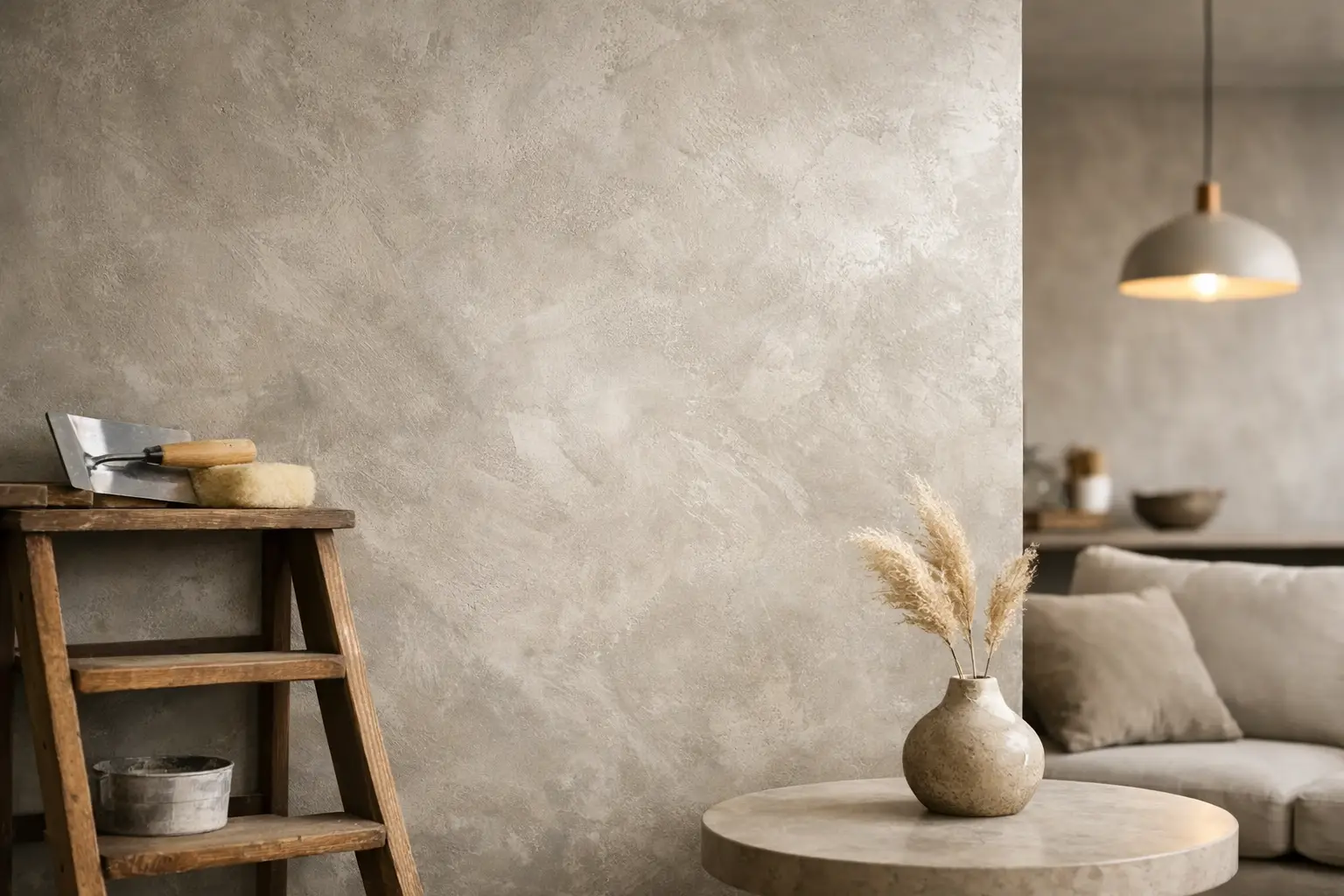
That matters in historic renovations, higher-end interiors, and projects where architectural authenticity carries value. Decorative finishes such as Venetian plaster take this even further, offering a premium surface with movement, texture, and elegance that goes beyond a standard painted wall.
Plaster can also perform well in sound control. Because it is denser, it often feels more solid and can reduce some sound transfer better than basic drywall assemblies. That said, sound performance depends on the entire wall assembly, not just the finish material.
The trade-off is labor. Plaster requires a more specialized process, and quality depends heavily on the installer’s skill. It is not the kind of material that rewards shortcuts.
Plaster advantages
Plaster typically offers a harder, more durable surface than standard drywall. It can resist everyday wear well, especially in homes where walls see regular traffic. It also has a premium appearance that many clients prefer, particularly in homes with traditional architecture or custom interior detailing.
For restoration work, plaster may also be the better choice because it preserves the original character of the building. In those cases, matching the existing wall system often protects both appearance and property value.
Cost, Timeline, and Labor Expectations
For most property owners, budget is where drywall vs plaster walls becomes an easy decision. Drywall is almost always the more economical option for standard remodeling. The material cost is manageable, the labor process is familiar, and installation moves quickly compared to plaster.
Plaster costs more because it is more labor-intensive and more technique-driven. It often involves multiple coats, more drying time, and a smaller pool of qualified professionals. If the goal is a practical, clean, modern renovation, drywall usually offers the better return.
If the goal is architectural quality, restoration, or a high-end custom finish, plaster may justify the added investment. The right question is not just which one costs less. It is which one makes the most sense for the property and the result you want to live with for years.
Repairs and Long-Term Maintenance
No wall system is maintenance-free. Homes settle, moisture causes problems, and accidental impacts happen. The difference is in how the wall responds and how repairs are handled.
Drywall is easier to patch, but it dents and punctures more easily than plaster. In high-traffic areas, that can matter. A hallway, mudroom, or tenant turnover property may see enough wear that repeated drywall repairs become part of long-term upkeep.
Plaster is harder and often more resistant to small impacts, but when it fails, repairs can be more involved. Cracks in older plaster can be cosmetic, or they can signal movement, loose keys, or substrate issues behind the surface. Matching old plaster textures and transitions also requires experience.
This is where good assessment matters. A quick patch is not always the right fix. If the cause of the cracking or separation is ignored, the problem usually returns.
Which Looks Better?
That depends on the style of the property and the quality of the finish work. Drywall supports clean, crisp, modern interiors very well. In renovated homes with updated trim, recessed lighting, and contemporary paint colors, a properly finished drywall surface looks sharp and intentional.
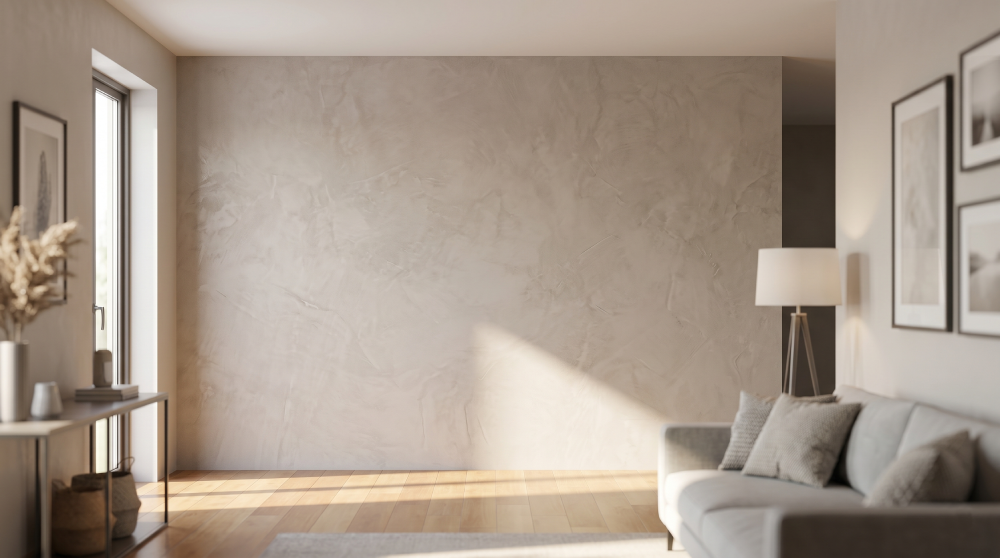
Plaster tends to bring more character. Even when smooth, it has a subtle depth that feels handcrafted. In custom homes, older properties, or premium accent applications, that difference can be noticeable.
The bigger point is this: poor drywall looks cheap, and poor plaster looks messy. Either material can underperform visually if the prep, installation, or finishing is rushed. Premium results come from skilled workmanship, not just material selection.
How to Choose Between Drywall and Plaster
If you are remodeling a standard living space and want a durable, cost-effective wall system with a clean finish, drywall is usually the smart choice. It fits most modern renovation work and allows for excellent results when installed with care.
If you are preserving an older home, matching original construction, or investing in a more custom finish, plaster may be the better fit. It offers character, density, and a premium appearance that can elevate the space.
There are also projects where a mixed approach makes sense. A home may use drywall for most remodeled areas while preserving or restoring plaster in key rooms. A feature wall or specialty finish may justify plaster even if the rest of the property uses drywall. Good remodeling is not about forcing one material everywhere. It is about choosing the right system for each space.
For homeowners and commercial property owners who care about clean finishes, durable performance, and long-term value, the best choice comes down to the condition of the property, the design goals, and the quality of the installation. Built to last and made to impress starts with getting the wall system right before the paint ever goes on.