
A worn office floor tells people something before your team ever says a word. Scuffs at the entrance, stained carpet in meeting rooms, or cracked vinyl in high-traffic corridors can make a workspace feel dated fast. Choosing the best flooring for commercial office spaces is not just about appearance – it affects maintenance costs, daily comfort, noise control, and how well the space holds up over time.
For most offices, there is no single perfect material for every room. A client-facing reception area has different demands than a private office, hallway, conference room, or break area. The right decision comes from balancing traffic levels, cleaning needs, acoustic performance, budget, and the kind of finish that fits your brand.
What the best flooring for commercial office really needs to do
Commercial office flooring works harder than many people expect. Employees walk it every day. Chairs roll across it. Furniture shifts. Moisture gets tracked in from parking lots and sidewalks. Cleaning crews maintain it regularly, which means the surface has to handle both wear and repeated cleaning without losing its appearance.
That is why the best flooring choice is usually the one that performs well over years, not the one that simply looks good on installation day. In practical terms, office flooring should resist scratches, stains, and dents, while still supporting a clean, professional finish. It should also make sense for the type of business using the space. A law office, medical admin office, creative studio, and multi-tenant property may all need something different.
Carpet tile for quieter, more comfortable offices
Carpet tile remains one of the most popular choices in commercial offices for a reason. It softens sound, feels comfortable underfoot, and creates a polished look that works especially well in private offices, conference rooms, and open-plan work areas. In spaces where phone calls, meetings, and daily foot traffic happen at the same time, noise reduction matters more than many owners realize.
Another major advantage is repairability. If one section gets stained or damaged, individual tiles can often be replaced without tearing out the whole floor. That can lower long-term maintenance costs and keep disruption to a minimum.
The trade-off is that carpet tile is not ideal everywhere. Entryways, break rooms, and areas prone to spills can be harder to keep clean. Even high-quality commercial carpet will eventually show wear in heavy traffic lanes. For offices that prioritize acoustics and comfort, though, carpet tile is still a strong contender.
Luxury vinyl tile and plank for versatility and value
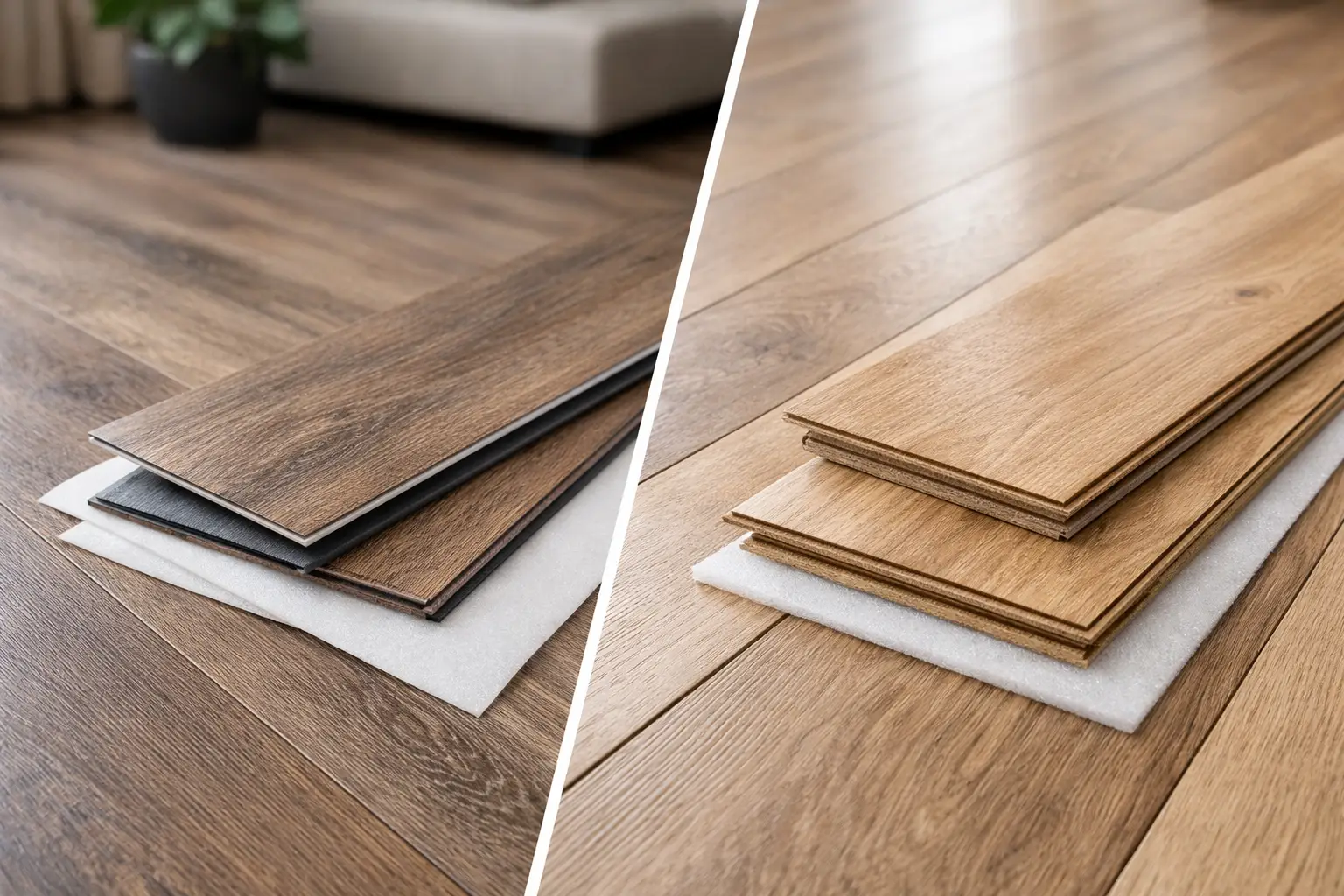
If a client asks for a flooring option that checks the most boxes, luxury vinyl tile or plank often rises to the top. It offers strong durability, a clean modern appearance, and easier maintenance than many other materials. It can also mimic wood or stone convincingly enough to elevate the look of an office without the higher cost or upkeep of natural materials.
LVT and LVP perform well in reception areas, corridors, private offices, and break rooms. They resist moisture better than laminate or hardwood, and quality commercial-grade products handle daily use very well. For small business owners and property managers who want a practical balance of appearance and performance, this category makes a lot of sense.
Not all vinyl products are equal, though. Thickness, wear layer, subfloor preparation, and installation quality matter. A cheaper product installed over an uneven surface will not deliver the same long-term results as a properly specified system. This is where professional planning pays off.
Epoxy flooring for high-performance office areas
Epoxy flooring is often associated with garages and industrial spaces, but it can be an excellent solution for certain commercial office environments. Offices with back-of-house work areas, utility rooms, storage spaces, service corridors, or mixed-use commercial functions benefit from epoxy because it is hard-wearing, low maintenance, and easy to clean.
In modern office design, decorative epoxy systems can also create a sleek, contemporary finish that looks intentional rather than purely utilitarian. A professionally installed epoxy floor offers stain resistance, durability, and a smooth surface that holds up well in demanding conditions.
The main consideration is comfort and acoustics. Epoxy is harder underfoot than carpet or some resilient flooring options, and it does not absorb sound. That makes it less suitable for every office zone, but highly effective in the right areas. For businesses that value durability and cleanability first, epoxy deserves serious consideration.
Polished concrete for modern commercial interiors
Polished concrete has become more common in office renovations, especially in contemporary spaces that lean toward an industrial or minimalist look. It is durable, easy to maintain, and can deliver a clean, professional appearance when finished properly. In large office layouts, it also creates visual continuity and can help a space feel more open.
This flooring works particularly well in lobbies, collaborative spaces, and converted commercial buildings where the design calls for a sharper architectural feel. It stands up well to foot traffic and avoids many of the replacement concerns that come with softer materials.
Still, polished concrete is not the best fit for every office. It can feel hard and cold, and it tends to reflect sound rather than soften it. Without area planning or acoustic support elsewhere in the design, it may make a workspace feel louder than expected. It is a strong style-and-performance option, but it needs the right environment.
Laminate and hardwood in office settings
Laminate and hardwood can look attractive, but they are usually more limited in commercial office use. Hardwood offers warmth and a premium finish, which may suit executive offices or boutique professional spaces. But it is more vulnerable to scratches, moisture, and wear from rolling chairs and constant foot traffic.
Laminate can be a budget-friendly way to achieve a wood-look floor, but many commercial owners find that it does not hold up as well as quality LVT in demanding office conditions. Water exposure and edge damage are common concerns. If the goal is long-term value in a busy office, resilient commercial flooring options usually outperform both.
How to choose the best flooring for commercial office spaces
The right flooring decision starts with how the office actually functions day to day. Traffic patterns should be one of the first things you evaluate. A front entrance and hallway see a different level of wear than a private office used by one or two people. Matching flooring to those conditions helps avoid premature replacement.
Maintenance expectations matter just as much. Some owners want a floor that can be cleaned quickly with minimal effort. Others are willing to trade more maintenance for a specific look or feel. There is no wrong answer, but the choice should be honest. Flooring that looks great in a showroom can become frustrating if it does not match the reality of the space.
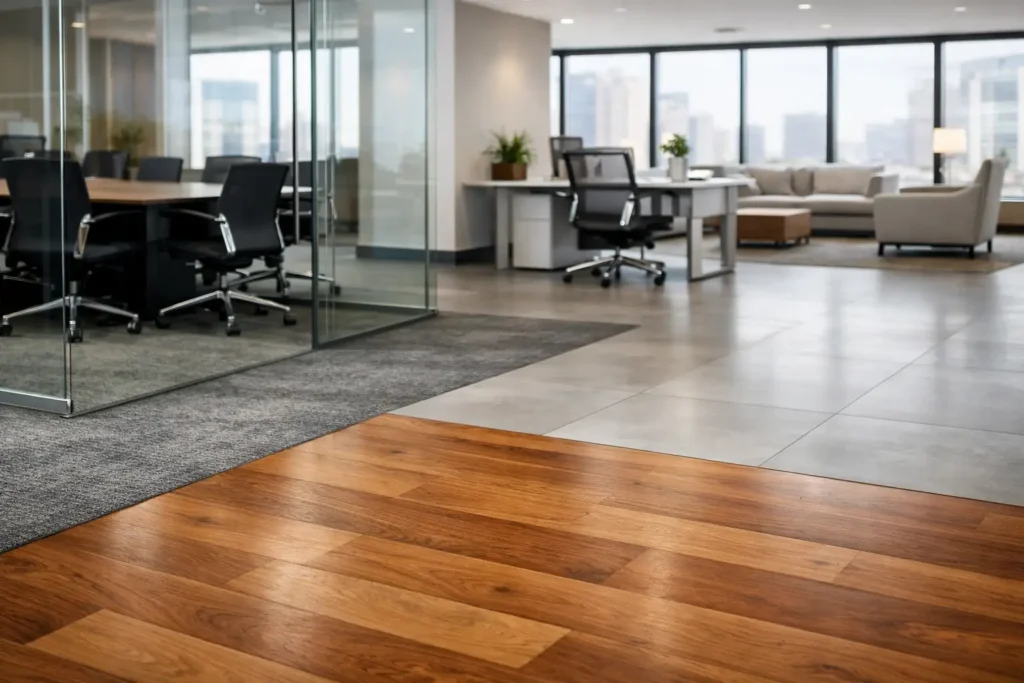
Acoustics are another factor that gets overlooked until the office is already in use. Hard surfaces can look sharp, but too many of them may create echo and background noise that affects concentration and calls. In many offices, the best solution is a combination approach, using softer materials in work areas and more durable hard surfaces in high-moisture or high-traffic zones.
Budget should be measured over the full life of the floor, not just the upfront installation cost. A lower-priced material that wears out quickly or needs more frequent repairs may cost more over time than a better product installed correctly the first time.
Installation quality matters as much as material choice
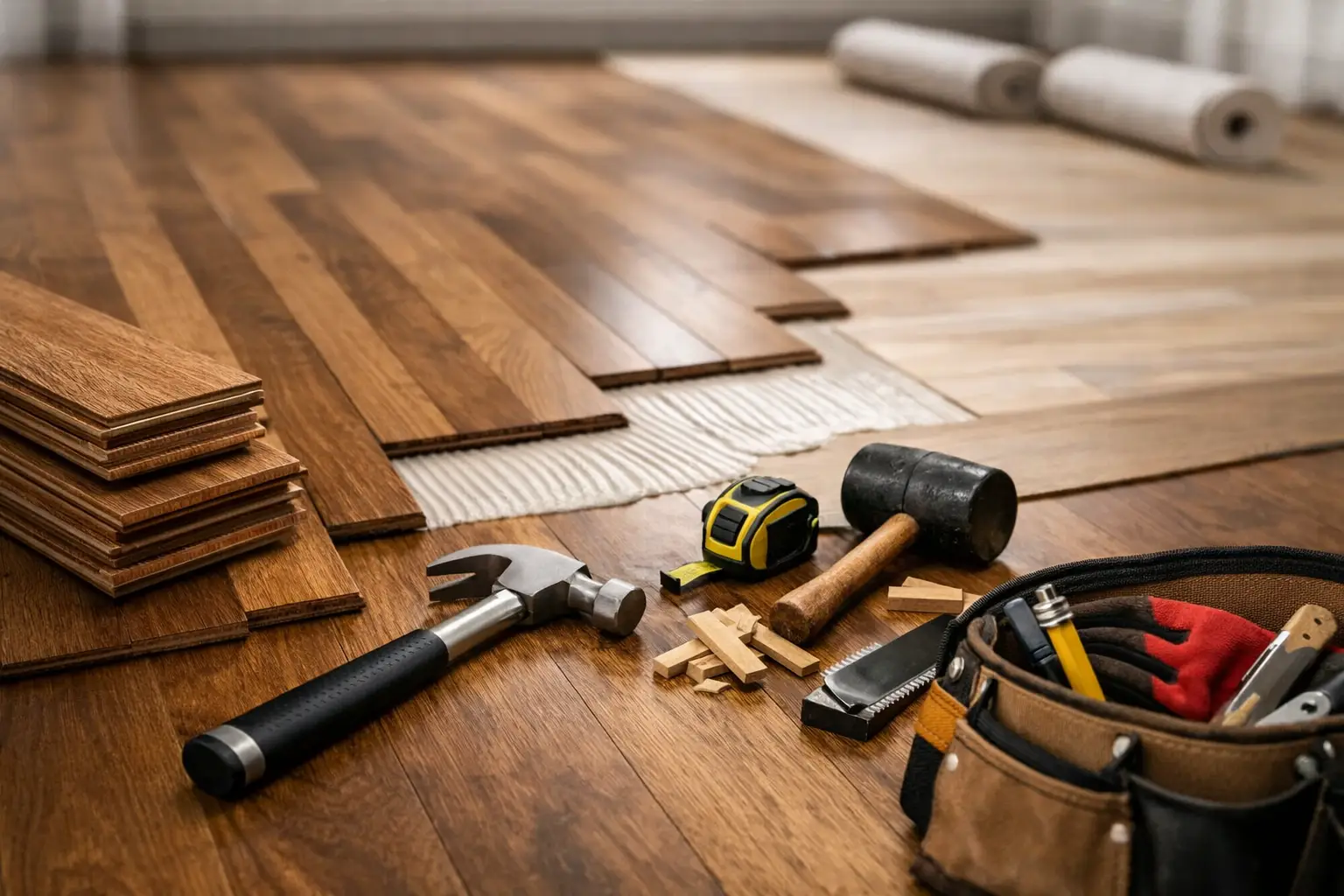
Even the best flooring product can fail if the subfloor is not prepared correctly or the installation is rushed. Uneven surfaces, moisture issues, poor transitions, and sloppy edge work all affect performance and appearance. In commercial spaces, these details become visible fast.
That is why experienced installation matters. A clean, durable finish depends on proper prep, material selection, and execution. At Master Builder Home Improvement LLC, that craftsmanship-first approach is what turns a flooring upgrade into a long-term improvement rather than a short-term fix.
A smarter approach for most office projects
For many commercial offices, the strongest result comes from combining materials rather than forcing one flooring type into every room. Carpet tile in workspaces, LVT in hallways and reception areas, and epoxy in utility or service zones often create the best balance of appearance, durability, and maintenance.
That kind of planning gives property owners more control over both performance and design. It also helps protect the investment by putting each material where it works best.
The best office floor should look sharp on day one, but more importantly, it should still perform after years of traffic, cleaning, and daily use. When you choose with durability, finish quality, and function in mind, the space works better for everyone who walks through it.