
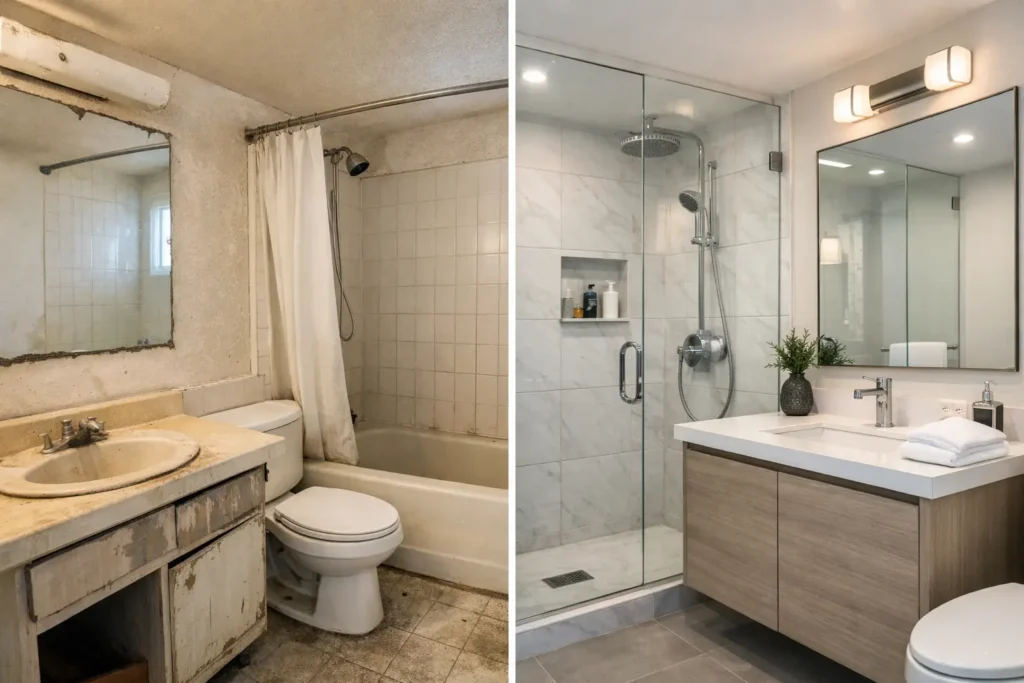
An outdated bathroom usually tells on itself fast. Poor lighting, stained grout, a cramped vanity, and finishes that looked dated ten years ago can make the whole room feel tired, even when the rest of the home is in good shape. That is why bathroom remodel before after projects matter so much – they show what actually changes a space, not just what looks good in a photo.
The difference between a basic update and a high-value remodel is rarely one big feature. More often, it comes from a series of smart decisions that improve function, durability, and finish quality at the same time. When homeowners look at before and after examples, the real value is not just visual inspiration. It is learning how layout, materials, lighting, storage, and workmanship come together to create a bathroom that feels cleaner, works better, and lasts longer.
What a bathroom remodel before after really shows
Before and after images are useful because they make improvement measurable. In the “before,” the problems are usually easy to spot. The room may feel dark, closed in, or worn out. The shower might be difficult to clean. Storage may be limited. The vanity could be too small for the household using it. Even if nothing is technically broken, the room may no longer fit the way the property is used.
The “after” should solve more than appearance. A well-planned remodel improves movement through the room, gives every fixture a purpose, and replaces short-term materials with products that hold up to daily moisture and wear. A bathroom that looks fresh for six months is one thing. A bathroom built with proper prep, quality materials, clean tile lines, and reliable installation is another.
That distinction matters for homeowners who care about long-term property value. A polished finish gets attention, but good construction is what protects the investment.
The biggest changes in bathroom remodel before after projects
Some transformations are dramatic because the original bathroom had major layout or condition issues. Others succeed through quieter upgrades that make the room feel more open and more refined. In both cases, the strongest before and after results usually come from the same core improvements.
Better layout creates a bigger impact than bigger spending
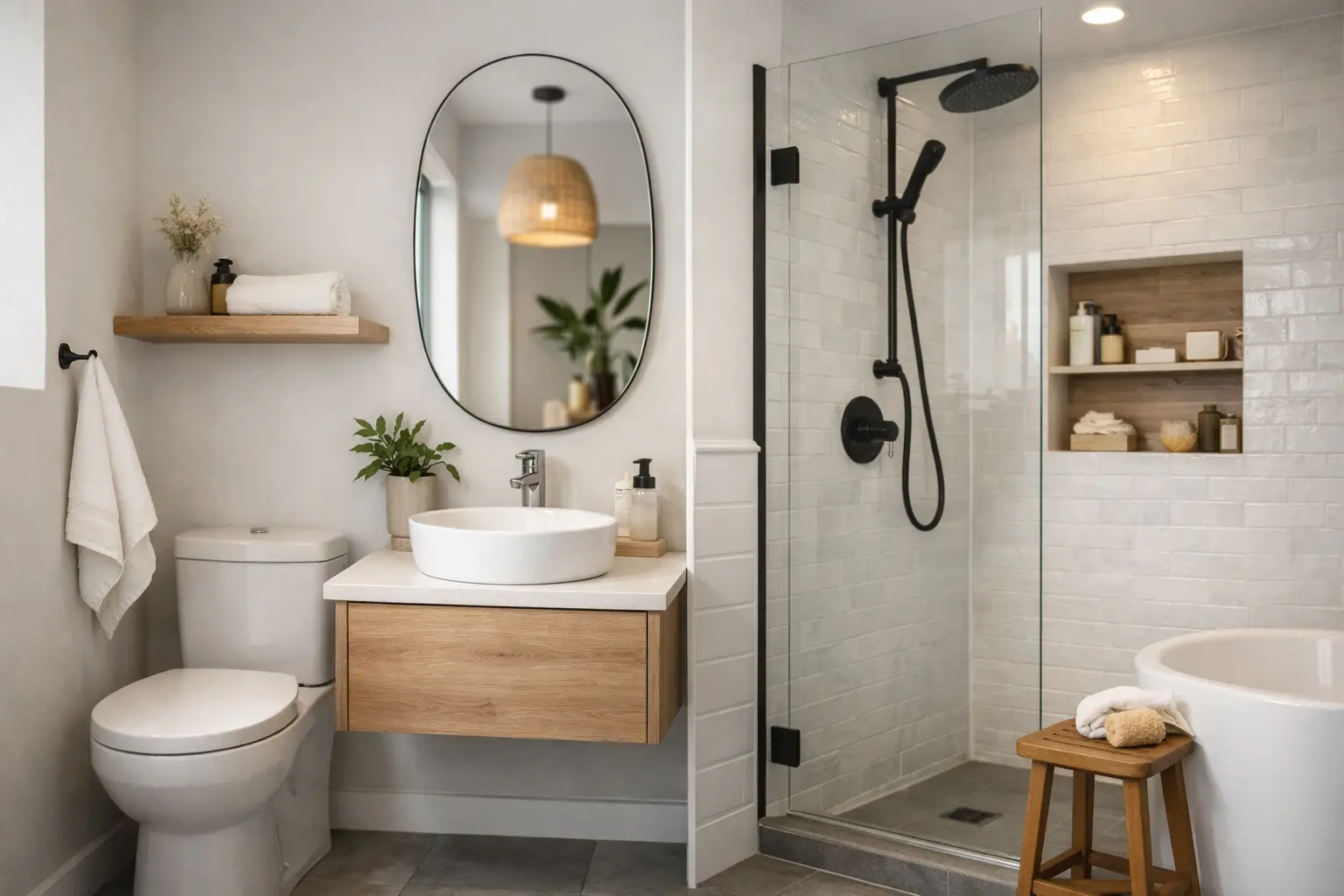
A bathroom does not have to be large to feel well designed. In many remodels, the biggest improvement comes from reworking the layout so the room functions more naturally. That could mean replacing a bulky vanity with a better-scaled one, changing the shower footprint, adding a recessed niche, or adjusting the toilet placement to open up the floor area.
Not every remodel needs full plumbing relocation. In fact, keeping major plumbing in place can control costs and still deliver an excellent result. But when a bathroom feels awkward or crowded, layout changes often provide more value than simply upgrading finishes around the same footprint.
Lighting can change the entire room
Poor bathroom lighting makes every surface look worse. It also affects how comfortable the room feels first thing in the morning and at the end of the day. In many before and after remodels, the space looks newer partly because lighting was handled correctly.
That usually means layering light rather than relying on a single ceiling fixture. Vanity lighting improves visibility where it is actually needed. Recessed lighting can brighten the room without clutter. In some bathrooms, better placement of mirrors and lighter finishes helps reflect light and make the room feel larger.
This is one of the clearest examples of how craftsmanship and design work together. Even premium tile will not look its best in a dim room with harsh shadows.
Material selection separates quick makeovers from lasting renovations
A strong bathroom remodel is built around materials that perform well under daily use. That includes tile, flooring, wall finishes, cabinetry, counters, and hardware. In before and after comparisons, the most successful bathrooms usually replace porous, high-maintenance, or visibly aging materials with surfaces that are easier to clean and more durable.
Porcelain tile remains a strong choice because it handles moisture well and offers a wide range of styles. Quartz countertops are popular for the same reason. Quality cabinetry with a durable finish can hold up far better than lower-grade alternatives that swell or chip quickly.
That said, material choice always depends on goals and budget. A guest bathroom may not require the same level of customization as a primary bath. A rental property may need durable, attractive finishes that are more cost-conscious. The right answer is not always the most expensive option. It is the one that fits the use of the space and is installed properly.
Why the best after photos look clean, not crowded
A common mistake in bathroom remodeling is trying to fit too many trends into one room. Homeowners see statement tile, floating vanities, matte black fixtures, wall-mounted faucets, and bold mirrors, then try to combine all of them. Sometimes that works. Often, it creates a room that feels busy and ages quickly.
The strongest after photos usually feel intentional. There is a clear finish palette, a balanced mix of textures, and enough visual simplicity to let the craftsmanship stand out. Clean grout lines, precise cuts, level fixtures, smooth drywall, and sharp paint work are what make a bathroom feel premium.
This is where professional execution matters. A beautiful design can lose impact if transitions are rough, surfaces are uneven, or details are rushed. Homeowners notice clean results immediately, even if they cannot always name the reason. Premium finishes. Professional results. That is not just a slogan. It is what people respond to when a remodeled bathroom feels complete.
Common before conditions that signal it is time to remodel
Not every bathroom needs a full renovation, but certain issues tend to show up again and again in before photos. Worn caulk, outdated tile, damaged subflooring, poor ventilation, and failing tub surrounds are obvious signs. Less obvious are storage problems, weak lighting, and a layout that no longer supports the household.
Older homes in Pennsylvania often come with bathrooms that were built for a different era of use. Small vanities, limited outlets, low light levels, and minimal storage are common. In those cases, the after result is not just about modern style. It is about bringing the room up to current expectations for comfort and function.
For property owners preparing to sell or rent, bathroom improvements can also help a listing feel more competitive. Buyers and tenants tend to react strongly to kitchens and bathrooms because those spaces are expensive and disruptive to renovate later. A clean, updated bathroom can increase appeal quickly, especially when the work looks solid and professionally finished.
How to plan your own bathroom remodel before after success
The most effective remodels start with honest priorities. If the bathroom feels dated but functions well, a finish-focused upgrade may be enough. If the room has moisture damage, layout limitations, or poor fixture placement, a deeper renovation may be the better investment.
Start by identifying what bothers you most in the current space. Is it storage, lighting, old finishes, lack of ventilation, or poor use of square footage? Then consider how long you plan to stay in the property. A long-term homeowner may prioritize custom storage, upgraded tile work, and higher-end finishes. Someone preparing for resale may focus on broad visual appeal, durability, and sensible cost control.
It also helps to think beyond the photo. Ask what is behind the finished surfaces. Was the shower waterproofed correctly? Were walls and framing repaired where needed? Are the materials suitable for humidity and frequent use? A strong remodel is built to last, not just made to photograph well.
Working with a contractor who communicates clearly and provides detailed planning makes a major difference here. Good remodeling is not guesswork. It requires measured decisions, skilled installation, and a clear understanding of what adds value versus what simply adds cost. That is especially true in bathrooms, where moisture, tight dimensions, and finish details leave little room for shortcuts.
The value behind the transformation
The appeal of a before and after is easy to understand. You see disorder become order, age become freshness, and frustration become comfort. But the real payoff is not the photo itself. It is waking up to a bathroom that works better every day, cleans more easily, and adds confidence to the quality of your home.
A well-executed bathroom remodel should make the space feel lighter, sharper, and more useful from the moment you walk in. It should also hold up under real life. That is what makes the best transformations worth the investment.
If you are planning your own remodel, use before and after examples for more than inspiration. Look for the decisions behind the change. The right layout, durable materials, and skilled finish work are what turn a tired bathroom into a space that truly adds value.