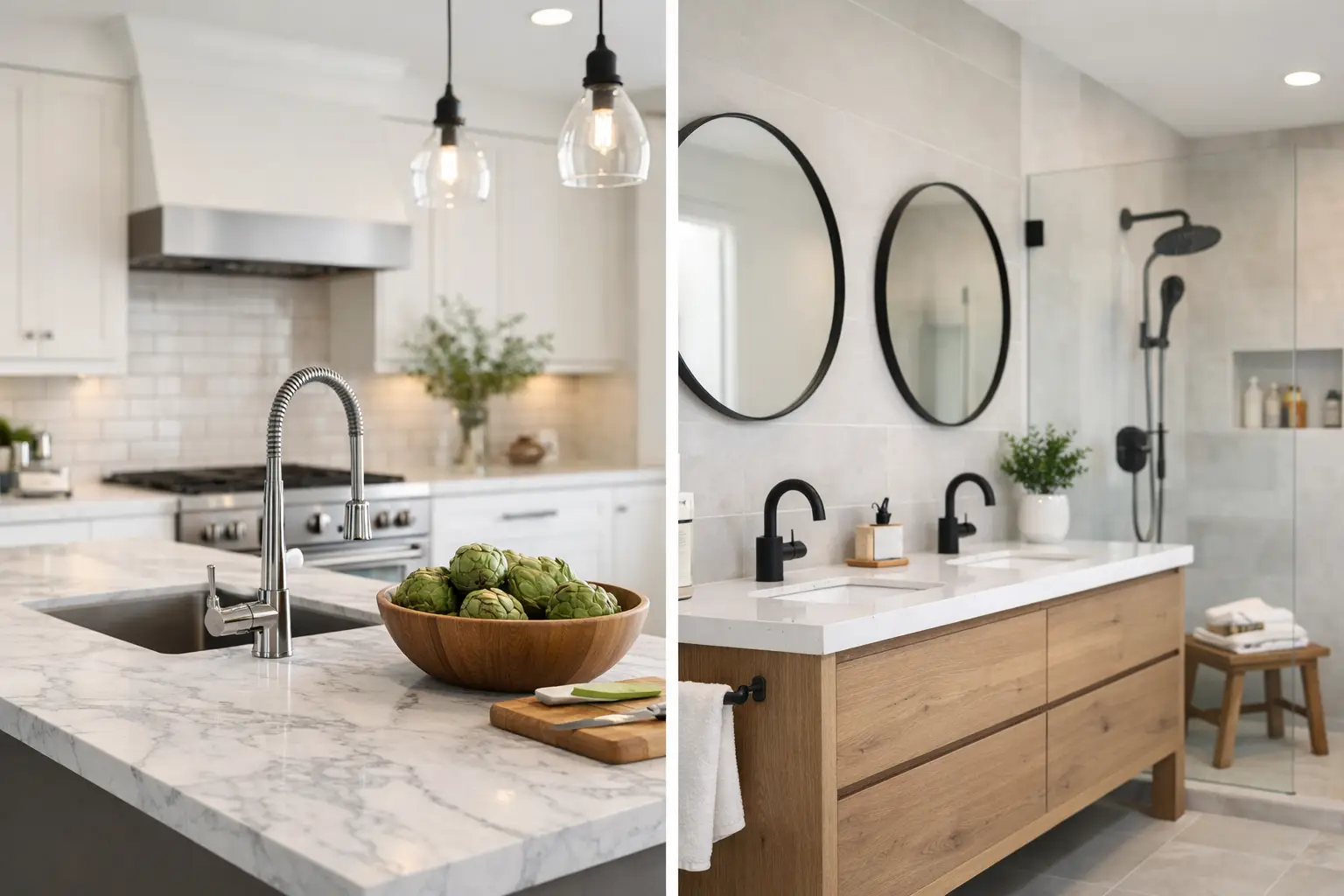


A kitchen can look fine in photos and still fail you every day. Drawers stick, lighting is poor, storage is wasted, and old finishes make the whole room feel tired. When homeowners start asking how much does kitchen remodeling cost, they are usually trying to solve more than one problem at once – function, appearance, durability, and resale value.
The honest answer is that kitchen remodeling costs vary widely based on size, layout changes, material selections, and the level of finish you expect. In Pennsylvania, many homeowners see kitchen remodels fall somewhere between $25,000 and $75,000, with smaller cosmetic updates coming in lower and high-end custom projects climbing well beyond that range. The key is not just knowing the price. It is knowing what drives the price and which upgrades deliver long-term value.
How much does kitchen remodeling cost for most homes?
For a straightforward refresh in an average-sized kitchen, a light remodel often starts around $15,000 to $30,000. This usually covers surface-level improvements such as painting, new countertops, updated lighting, backsplash installation, sink and faucet replacement, and possibly stock or semi-custom cabinetry. If the layout stays the same, labor is more controlled and the project moves faster.
A mid-range kitchen remodel often lands between $30,000 and $60,000. This is where many homeowners invest when they want a stronger visual upgrade and better day-to-day function. You may be replacing cabinets, installing new flooring, upgrading appliances, improving lighting, and selecting more durable finishes that hold up over time.
A high-end remodel often starts around $60,000 and can rise significantly depending on custom work. Moving plumbing or walls, installing premium cabinets, choosing natural stone, adding built-in storage features, or creating a fully redesigned open-concept kitchen all add cost. These projects are less about basic replacement and more about transformation.
What affects kitchen remodeling cost the most?
The biggest factor is usually scope. A kitchen that keeps its existing footprint will almost always cost less than one that requires layout changes. Once you start moving plumbing lines, electrical, gas connections, or structural walls, the project becomes more labor-intensive and more technical.
Cabinetry is another major cost driver. Stock cabinets are the most budget-friendly option, while semi-custom gives you more flexibility in sizing, finish, and storage design. Fully custom cabinetry offers the best fit and often the cleanest premium result, but it can take a significant share of the overall budget.
Countertop material also matters. Laminate is affordable, butcher block offers warmth at a moderate cost, and quartz remains a popular choice because it balances appearance, durability, and maintenance. Natural stone can look exceptional, but it often comes with a higher material and fabrication price.
Flooring, lighting, tile work, and appliance selections can shift your budget quickly as well. A simple subway tile backsplash and standard recessed lights cost far less than full-height tile walls, under-cabinet lighting, decorative pendants, and specialty fixtures. The same goes for appliances. Builder-grade packages are very different from panel-ready refrigerators, pro-style ranges, or smart appliance suites.
Labor, permits, and the hidden part of the budget
Homeowners often focus on finish materials first, but labor is where quality shows. A kitchen remodel involves demolition, framing, drywall, electrical, plumbing, flooring, painting, cabinetry, countertop templating, tile installation, and finish carpentry. If the work is done correctly, those layers come together in a way that looks clean, performs well, and lasts.
Permit costs depend on the work being performed and local requirements. If your remodel includes electrical updates, plumbing changes, or structural modifications, permits may be required. This is not just red tape. It protects the safety and value of your property.
There is also the issue of hidden conditions. Once walls, flooring, or old cabinets are removed, a contractor may discover water damage, outdated wiring, poor framing, or subfloor issues. That is why experienced remodelers recommend keeping a contingency of about 10 to 20 percent. It gives you room to handle surprises without cutting corners in the middle of the project.
Budget kitchen remodel vs. premium kitchen remodel
Not every project needs a full redesign. If your cabinets are in decent condition, painting or refacing them can reduce cost while still improving the overall look. New hardware, updated countertops, fresh lighting, and a quality backsplash can give an older kitchen a much more current feel without rebuilding everything.
That said, lower upfront cost is not always the best value. Budget materials may save money at the start but show wear faster, especially in a high-use kitchen. Thin flooring, low-grade cabinetry, and poor installation can lead to repairs, replacements, or a dated appearance sooner than expected.
A premium remodel costs more because it is built around better materials, stronger preparation, tighter finish work, and details that improve daily use. Soft-close hardware, better cabinet organization, moisture-resistant finishes, durable flooring, and thoughtful lighting design all contribute to a space that feels better and performs better over time.
Where to spend and where to stay practical
If you are trying to balance price and quality, cabinetry, countertops, and labor are usually the smartest places to invest. Cabinets take up the most visual space in the kitchen and handle daily wear. Countertops need to resist moisture, heat, and impact. Skilled installation affects everything from how level your cabinets sit to how clean your tile lines look.
Appliances are worth evaluating carefully. If you cook often, a better range or ventilation system may be a smart upgrade. If your kitchen is mostly for everyday family use, you may get more value from improved storage, lighting, and layout than from luxury appliances.
Decorative trends are another place to stay disciplined. Bold colors, highly specific finishes, or trendy details can look great now, but they may date the kitchen faster. Clean lines, durable materials, and timeless finishes usually protect your investment better.
How to plan your kitchen remodel budget
Start by deciding what problem you are actually solving. Some kitchens need better storage and workflow. Others need a full visual update. Some need structural change because the room simply does not function. Being clear about your priorities helps prevent overspending in the wrong areas.
Next, separate must-haves from nice-to-haves. A homeowner might need new cabinets, better lighting, and improved flooring, while a pot filler or statement light fixture may be optional. This gives you room to adjust the project without losing the core value of the remodel.
It also helps to think in terms of long-term return, not just immediate price. A well-executed kitchen remodel can improve daily life, strengthen market appeal, and increase overall property value. For homeowners who plan to stay in the home, the return is not only financial. It is also in comfort, efficiency, and pride in the space.
How much does kitchen remodeling cost when you change the layout?
If you knock down a wall, relocate the sink, move the stove, or add an island where none existed before, the cost rises because multiple trades are involved. Plumbing, electrical, flooring repair, drywall finishing, and often ventilation updates all need to work together. This is where detailed planning matters most.
Layout changes can absolutely be worth it, especially when the current kitchen feels cramped, closed off, or inefficient. But they should be approached with a clear understanding of what the structural work will require. A well-designed layout adds real value. An unnecessary layout change can consume budget that may have been better used on finish quality and storage.
Getting an estimate that actually helps
A useful remodeling estimate should be detailed, not vague. It should outline the scope of work, identify what materials are included, clarify allowances if selections are still pending, and explain whether permits, demolition, disposal, and finish work are part of the price.
Clear communication matters just as much as the numbers. A professional contractor should be able to walk you through trade-offs, explain where the budget is going, and help you make decisions that fit your goals. That is especially important in a kitchen, where design and construction need to support each other from the start.
For homeowners who want quality workmanship, durable materials, and a finished space that feels clean, modern, and built to last, the lowest bid is rarely the full story. Good remodeling is not just about replacing surfaces. It is about creating a kitchen that works better every day and adds value to the property for years to come.
If you are planning a kitchen remodel, start with a realistic budget, a clear list of priorities, and a contractor who treats craftsmanship and communication as part of the product. That is where smart investment becomes a finished space you can trust.