

A newly remodeled kitchen may be the feature buyers remember, but an appraiser is looking for more than a strong first impression. They compare the home with recent local sales, evaluate condition and functionality, and determine whether the upgrades fit the property and neighborhood. So, can remodeling increase appraisal value? Yes, when the work solves real problems, improves market appeal, and is completed to a professional standard. But a high project cost does not automatically create an equal increase in appraised value.
For Pennsylvania homeowners preparing to refinance, sell, or simply invest wisely in their property, the goal is not to chase every trend. It is to make improvements that buyers, appraisers, and the local market can clearly recognize as lasting value.
How Remodeling Can Increase Appraisal Value
An appraisal is an opinion of market value on a specific date. The appraiser reviews the property, its size, layout, condition, features, location, and comparable sales. Remodeling can strengthen that opinion when it moves a home from dated or worn to competitive with homes that have sold for more.
The strongest projects usually improve one or more of three areas: condition, function, and buyer appeal. Replacing damaged flooring improves condition. Reworking a cramped kitchen can improve function. Updating a tired bathroom with clean tile, quality fixtures, and better lighting can improve both function and appeal.
A renovation also helps protect value when it addresses visible deferred maintenance. Peeling paint, water-damaged drywall, aging finishes, and poorly installed floors can make a property feel neglected, even if its structure is sound. Correcting these issues with durable materials and clean workmanship gives an appraiser and a prospective buyer greater confidence in the home.
Still, appraisers do not simply add renovation invoices to the prior value. A $70,000 kitchen remodel may support a meaningful increase, but the return depends on what similar updated homes are actually selling for nearby. The market sets the ceiling.
Projects That Commonly Support a Higher Appraisal
Kitchen remodeling
Kitchens remain one of the most visible value drivers because they affect daily living and buyer perception immediately. A practical renovation can include durable cabinetry, updated counters, improved lighting, modern flooring, quality appliances, and a layout that works better for the household.
The best return usually comes from a kitchen that feels current and well-built without becoming out of scale for the property. In a modest home, premium custom features that exceed neighborhood expectations may be difficult to recover in an appraisal. In a higher-end market, however, dated builder-grade finishes can hold the home back against better-equipped comparables.
Bathroom remodeling
Bathrooms carry similar weight, especially when an older home has limited or worn-out facilities. Replacing failing finishes, improving storage, installing water-resistant materials, and creating a clean, modern layout can make a strong difference.
Good bathroom remodeling is not only about appearance. Proper waterproofing, careful tile installation, ventilation, level floors, and dependable plumbing fixtures contribute to the kind of quality that holds up over time. Attractive work that starts failing after a year does not create long-term value.
Flooring, paint, and finish work
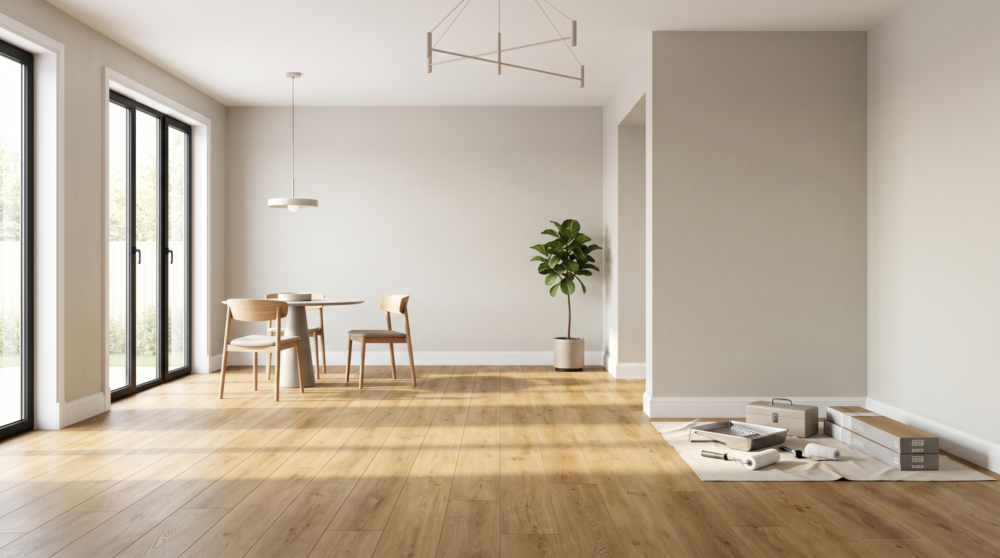
New flooring and professional painting can offer excellent value because they change how the entire property presents. Consistent flooring can make rooms feel connected and larger. Fresh, neutral paint brightens a home and helps buyers focus on the space instead of a future to-do list.
These projects matter most when they replace visibly worn, mismatched, damaged, or outdated finishes. Quality preparation is essential. A premium paint job includes repairing wall damage, addressing surface flaws, protecting surrounding areas, and delivering crisp lines. Those details affect the final impression more than a paint color alone.
Finished and functional lower levels
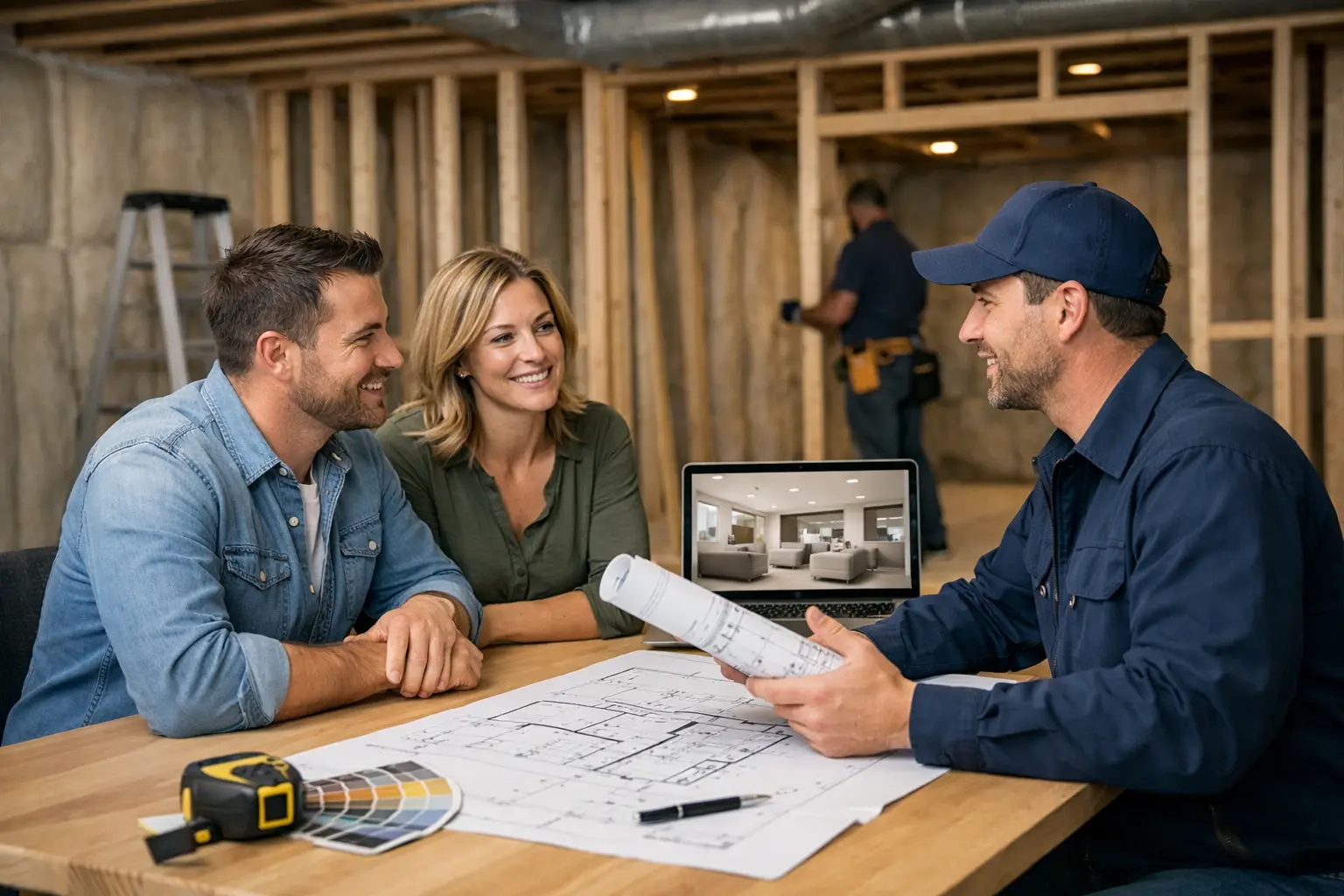
A properly finished basement can add useful living space and improve marketability, particularly where comparable homes offer recreation rooms, offices, guest areas, or organized storage. However, finished below-grade space is often valued differently from above-grade living area. It can increase value substantially, but usually not at the same rate per square foot as the main levels of the home.
Moisture control, insulation, egress where required, safe electrical work, and a thoughtful layout are critical. Covering a basement problem with new drywall is not a value-add. Solving the underlying issue and finishing the space correctly is.
Exterior condition and curb appeal
Appraisers consider the overall condition of the property from the moment they arrive. Exterior painting, repairs, updated entry features, clean walkways, and well-maintained landscaping support the impression that the home has been cared for.
Curb appeal alone rarely transforms an appraisal, but neglected exterior conditions can limit one. A home that appears poorly maintained may be compared more closely with lower-condition sales, even if the interior has a beautiful new kitchen.
When Remodeling Does Not Produce the Return You Expect
The question is not only whether remodeling increases value, but whether it increases value enough to justify the investment. That answer depends on the local market, the home’s starting condition, and the scope of the project.
Over-improving is a common concern. If nearly every nearby sale has standard finishes and two bathrooms, adding luxury stone throughout and building a third high-end bath may not produce a matching increase. The work can still improve your enjoyment of the property, but it may not be fully reflected in an appraisal.
Personalized design choices can also narrow appeal. Deeply specific colors, unconventional room conversions, or elaborate features that reduce usable space may be valuable to one owner but less valuable to the average buyer. A polished, timeless design generally has broader market support.
Poor-quality workmanship creates another risk. Uneven tile, visible seams, improperly installed flooring, inadequate framing, or rushed paint preparation can undermine a project that looked good on paper. Appraisers are not home inspectors, but condition is part of their analysis, and buyers often notice finish quality immediately.
How to Plan Remodeling for Appraisal Value
Start by identifying the gap between your property and the homes it competes with. A local real estate professional can help you understand recent sales, while a qualified remodeling contractor can assess what the house needs to become more functional, current, and durable. These are different perspectives, and both are useful before committing to a major project.
Prioritize repairs and core condition before purely cosmetic upgrades. Water damage, worn flooring, outdated electrical components, cracked drywall, and deteriorating exterior surfaces can weaken the impact of more decorative work. A home should feel sound before it feels luxurious.
Choose materials that are durable, appropriate for the property, and consistent with the expected price range. That does not mean choosing the cheapest option. It means selecting finishes that look refined, perform well, and make sense for the home. Porcelain tile, quality flooring, solid surface counters, and professionally applied finishes often have stronger long-term appeal than short-lived trends.
Keep thorough records. Save contracts, permits, paid invoices, before-and-after photos, product information, and a concise list of improvements. Provide these materials to the appraiser when appropriate. Documentation will not force a value increase, but it helps establish the scope, cost, and quality of completed work.
Can Remodeling Increase Appraisal Value Before a Refinance?
It can, but timing matters. A lender orders an appraisal based on the home’s condition at the time of inspection, so completed work should be finished, cleaned, and fully functional before the appraiser visits. Half-installed cabinets, unfinished trim, stored materials, or rooms under active construction can make it harder to receive credit for the intended improvement.
If the project is part of a purchase renovation loan or a construction-to-permanent loan, the lender may use an as-completed value based on plans, specifications, and an appraisal. For a standard refinance, however, the appraiser is generally valuing what exists now, not what is planned.
Craftsmanship Is Part of the Value Equation
Remodeling adds the most value when design, materials, and execution work together. A well-planned renovation improves how a property lives today while making it easier for the next buyer to see its value tomorrow. That is why clean finishes, proper preparation, accurate installation, and clear project documentation matter as much as the product selections.
For homeowners across Pennsylvania, Master Builder Home Improvement LLC approaches renovation with that long-term view: durable work, refined results, and improvements built to support the property rather than merely decorate it. Before choosing a project, focus on the changes that make your home more functional, more competitive in its market, and more enjoyable to own.