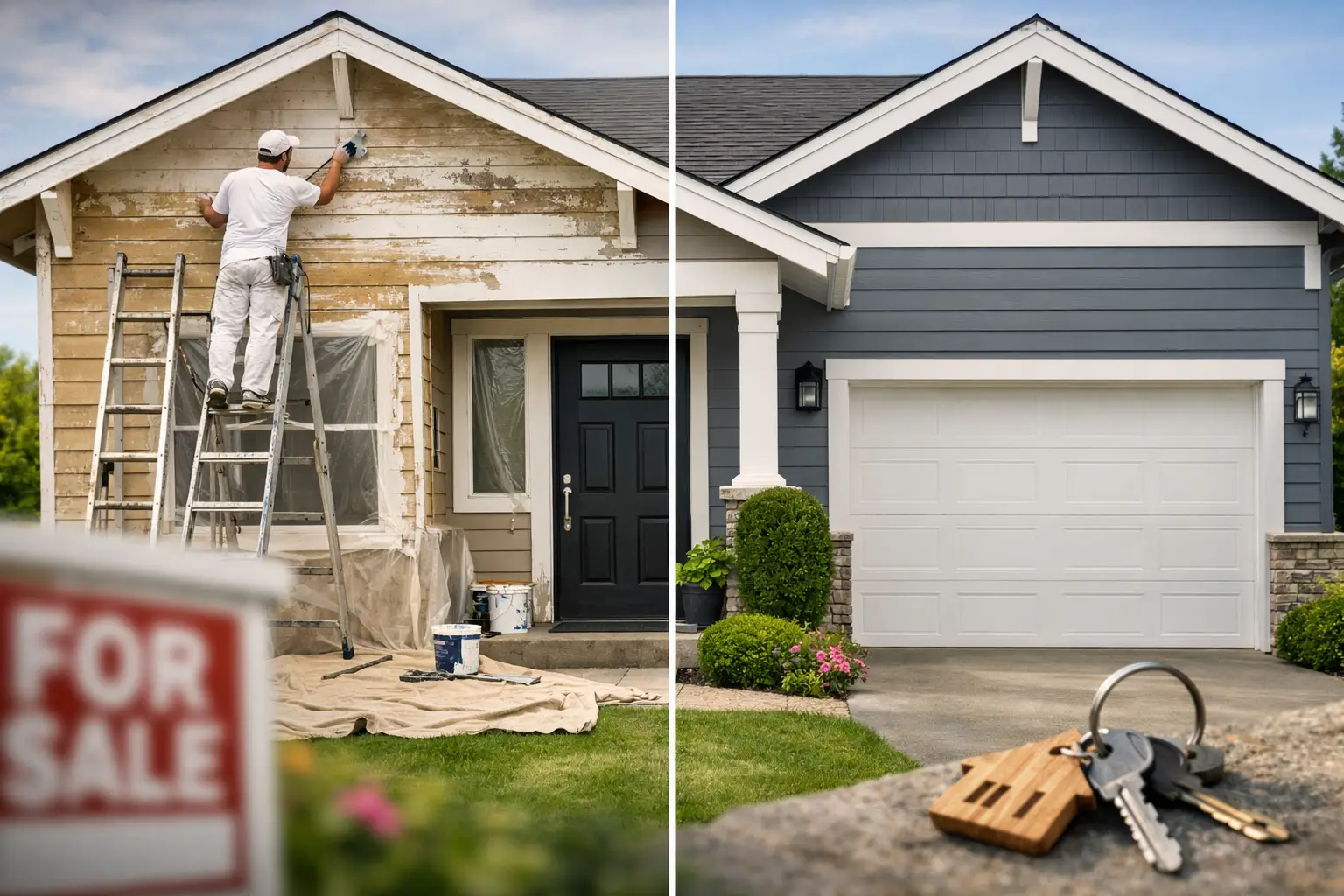

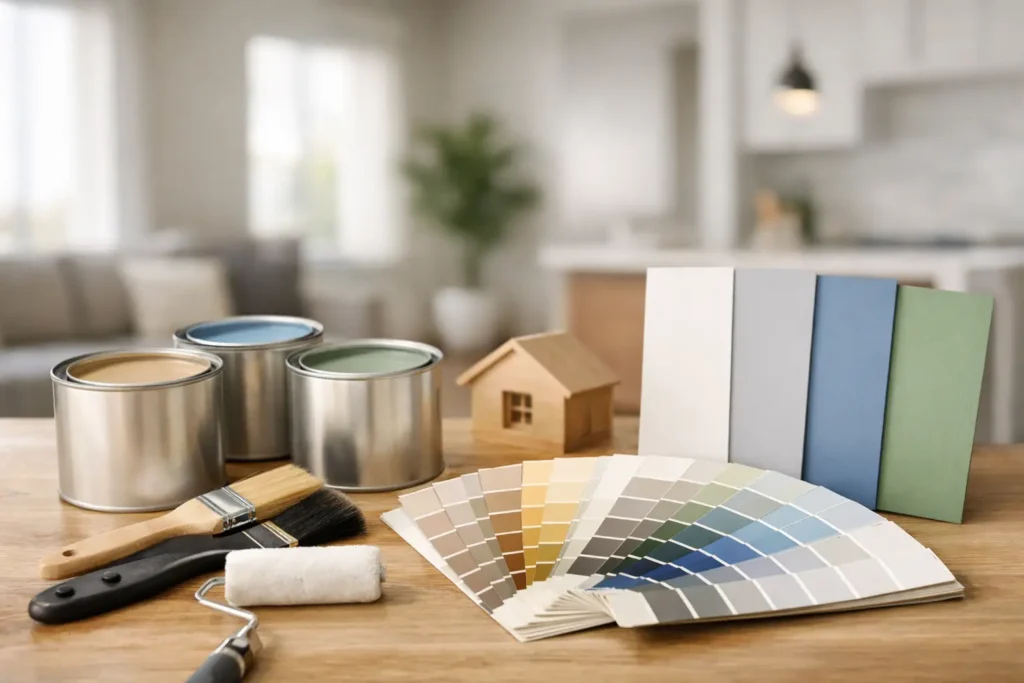
A buyer can overlook an old light fixture. They are less likely to overlook a wall color that makes the whole house feel smaller, darker, or harder to picture as their own. That is why choosing the best paint colors for resale is not just a design decision. It is a value decision.
Paint is one of the most cost-effective updates you can make before listing a home, but only when the color works in your favor. The right shade helps buyers notice the layout, the natural light, and the overall condition of the property. The wrong shade pulls attention to the walls themselves and can make a clean, well-maintained home feel dated or overly personalized.
Why the best paint colors for resale are usually understated
Resale-friendly colors are not about making a home look bland. They are about creating a clean, finished backdrop that appeals to more people. Most buyers want spaces that feel bright, well cared for, and easy to move into. Neutral paint helps do that because it reduces visual noise.
A good resale color also works across different rooms without creating choppy transitions. When buyers walk from entry to living room to hallway, consistency matters. A home with too many bold changes can feel smaller and less cohesive, even if the square footage is solid.
That said, neutral does not always mean plain white. In fact, a harsh white can make walls look cold or highlight surface flaws. Better resale choices usually have some softness to them, whether that means a warm undertone, a greige balance, or a muted earth influence.
7 best paint colors for resale
1. Warm off-white
A soft off-white is one of the safest and strongest choices for resale. It brightens rooms, reflects natural light well, and gives buyers a clean canvas. In older Pennsylvania homes, it can also soften architectural quirks better than a stark builder-grade white.
The key is choosing an off-white that does not turn too yellow or too gray. A balanced warm white tends to feel clean without looking sterile. It works especially well in living rooms, hallways, and open-concept main floors.
2. Light greige
Greige remains popular for a reason. It bridges warm and cool tones, which makes it easier to pair with different flooring materials, countertops, and trim colors. If a home has mixed finishes, light greige often helps tie everything together.
This is a strong option for buyers who want a modern look without a cold feel. It also hides minor wall imperfections better than a very bright white, which matters when presentation is part of protecting value.
3. Soft beige
Beige has come back, but only when it is used well. The old tan-heavy beiges that dominated years ago can make a house feel dated. A newer soft beige with subtle warmth feels more current and more welcoming.
This color works especially well in homes with warm wood floors, stone accents, or cream cabinetry. It can make a property feel comfortable and well finished, which is often more effective than trying to force every room into a cool gray palette.
4. Pale taupe
Taupe is a smart middle ground when white feels too plain and beige feels too warm. A pale taupe adds depth without overwhelming the room. It can give bedrooms and sitting areas a polished, higher-end look while still staying buyer-friendly.
This is often a strong choice in homes where the goal is to create a premium impression. It feels intentional, not trendy, and that matters in resale. Buyers respond well to colors that look current but not temporary.
5. Soft gray with warm undertones
Gray is not gone, but the cooler grays that once showed up in every flip have lost some appeal. If you use gray for resale, warmth matters. A soft gray with a gentle warm base can still look fresh and modern without making a room feel flat.
This shade can work well in bathrooms, bedrooms, and secondary living spaces. It pairs nicely with brushed nickel, matte black, and white trim, but it should be tested carefully. Too cool, and the room can lose warmth fast.
6. Muted sage-green neutral
If you want a little more character without hurting resale appeal, muted sage can work surprisingly well. It reads as calm, clean, and natural. In the right light, it acts almost like a neutral while still giving the space some identity.
This is not the place for deep green or anything too moody if the goal is broad market appeal. A very soft sage is the better choice, especially in bathrooms, laundry rooms, or bedrooms where buyers appreciate a sense of calm.
7. Soft blue-gray
A restrained blue-gray can be effective in certain rooms, particularly bathrooms or bedrooms. It gives a fresh, clean impression and can help the space feel lighter. For resale, though, it needs to stay subtle.
This is one of those colors that depends heavily on lighting. In a bright room, it can feel crisp and polished. In a darker room, it may lean colder than intended. Used carefully, it can add appeal without becoming a distraction.
How to choose the right resale color for your home
The best paint colors for resale depend on more than what is trending. Flooring, trim color, ceiling height, natural light, and the age of the home all matter. A color that looks excellent in one property can feel off in another.
Start by looking at your fixed finishes. If you have warm-toned hardwood, beige tile, or cream cabinets, cool gray walls can clash. If you have bright white trim, black fixtures, and cooler stone surfaces, a muddy beige may feel out of place. Paint should connect the finishes you already have, not fight them.
Light is the next factor. North-facing rooms often pull cooler, so they benefit from warmer paint. South-facing rooms can handle slightly cooler neutrals because they get more natural warmth. Test colors on multiple walls and look at them morning, afternoon, and evening before making a final call.
Rooms where color choice matters most
Main living areas carry the most weight because they shape the buyer’s first impression of the interior. If the entry, living room, and kitchen-adjacent spaces feel clean and cohesive, the rest of the house starts from a stronger position. These are the rooms where warm off-white, greige, and pale taupe usually perform best.
Bedrooms can handle a little more softness and personality, but restraint still matters. Calm neutrals and muted tones are typically the strongest approach. Buyers want bedrooms to feel restful, not dramatic.
Bathrooms are often good candidates for soft gray, blue-gray, or muted sage, especially when the finishes are clean and current. These colors can make smaller spaces feel fresh. Just avoid shades that are too dark or too icy.
Paint colors that can hurt resale value
Highly personal colors are the biggest risk. Deep red dining rooms, bright yellow kitchens, purple bedrooms, and dark navy throughout the house tend to narrow buyer appeal. Even when they are well executed, they create mental work for the buyer. Instead of noticing the room, they start thinking about repainting.
Very bright white can also be a problem. It may sound safe, but if the finish quality is not excellent, it can expose every patch, seam, and texture issue on the wall. In lower-light spaces, it can feel stark rather than clean.
Another common issue is inconsistency. A home with one gray room, one beige room, one green room, and one bold accent wall can feel unfinished even if each color is acceptable on its own. Cohesion is part of what makes a property feel professionally prepared for market.
Finish and prep matter as much as color
Buyers notice quality, even when they cannot describe it in technical terms. A carefully prepped wall with smooth repairs, clean cut lines, and the right sheen looks more valuable than a rushed paint job in the perfect color. That is why professional execution matters.
Flat paint can hide imperfections, but it is not always the best choice for durability. Eggshell often works well for most walls because it offers a clean look with a bit more washability. Bathrooms and other moisture-prone areas may need a more durable finish. The goal is a surface that looks clean, consistent, and built to last.
At Master Builder Home Improvement LLC, we see this often during renovation and repainting projects. Homeowners focus on the color chip first, but resale results usually come from the full picture – proper repair, strong prep, premium finishes, and colors that support the home instead of competing with it.
If you are painting to sell, think like a buyer walking through the door for the first time. They want a home that feels clean, current, and well cared for. The right color helps them see that right away.