
Sticker shock usually starts when two hardwood flooring quotes look nothing alike. One contractor gives you a number that seems reasonable, another comes in thousands higher, and both say they are installing hardwood. The difference often comes down to what is actually included in the hardwood floor installation cost – material grade, subfloor condition, layout complexity, trim work, finish details, and the quality of the installation itself.
For homeowners and property owners, hardwood is rarely a small cosmetic upgrade. It changes how a space feels, how it wears over time, and how buyers or tenants perceive the property. That is why cost should be looked at as more than a price per square foot. A well-installed hardwood floor adds character, durability, and long-term value. A rushed installation can lead to movement, squeaks, gaps, uneven transitions, and premature refinishing.
What affects hardwood floor installation cost?
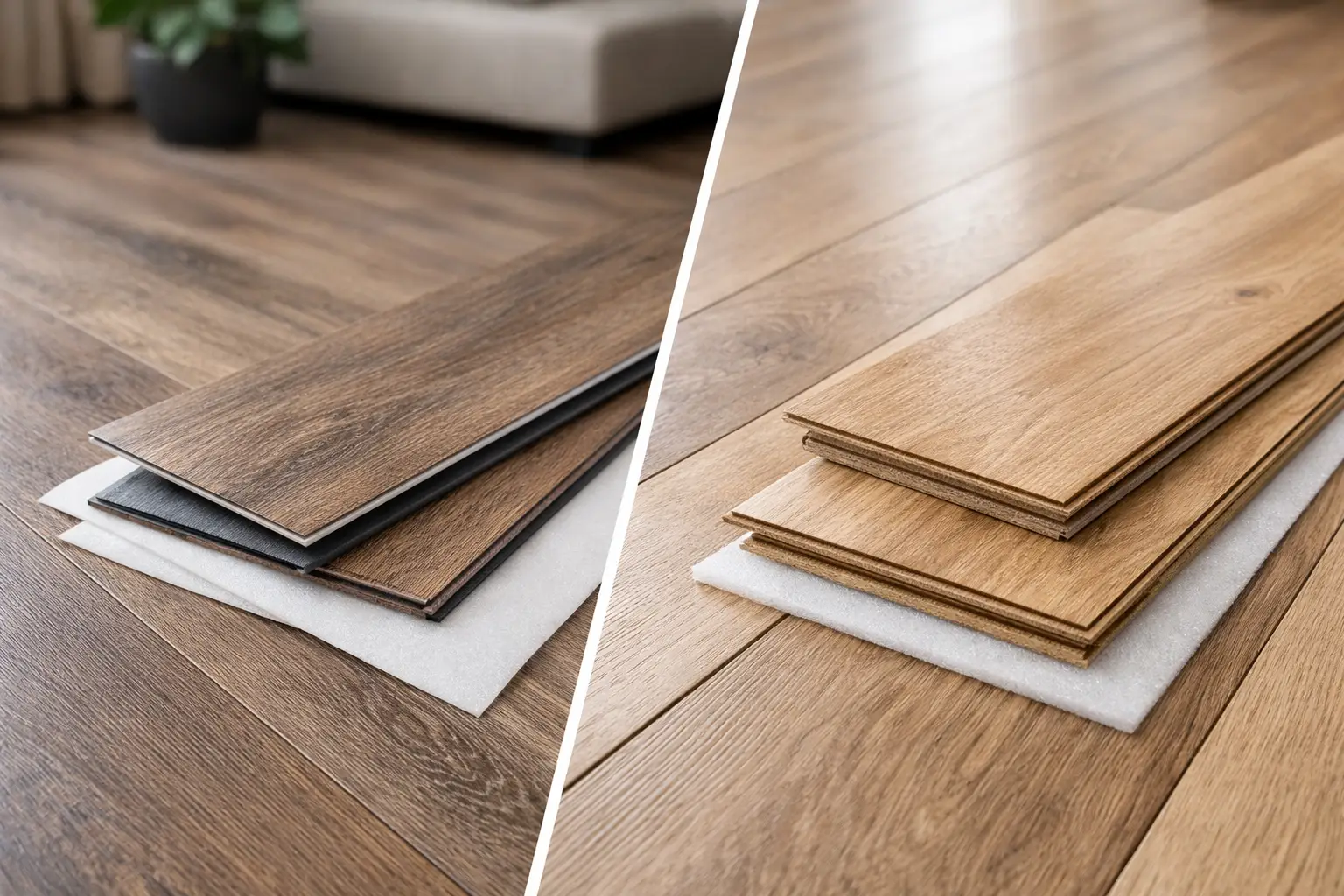
The biggest factor is the type of hardwood you choose. Solid hardwood generally costs more than engineered wood, especially when you factor in labor. Solid planks may require more site preparation, acclimation, and finishing work depending on the product and installation method. Engineered hardwood can sometimes reduce labor time, but that depends on the subfloor and the conditions in the space.
Wood species also changes the price quickly. Oak is often one of the more budget-friendly and dependable options. It performs well, looks clean in both traditional and modern interiors, and offers a strong value for many homes. Maple, hickory, walnut, and exotic species can increase the material cost, and some harder woods can also increase labor because they are more demanding to cut and install.
Board width, plank length, and grade matter too. Wider planks often create a more premium look, but they can cost more and may require a flatter subfloor for proper results. Higher-grade wood with fewer knots and color variations usually carries a higher material price. If you prefer a natural character grade with more movement and variation, you may save on material while still getting a high-end look.
Typical cost ranges for hardwood flooring
In many projects, hardwood floor installation cost falls somewhere between $8 and $18 per square foot installed, but that range can move higher based on the product, layout, and site conditions. A straightforward installation with standard oak in a relatively open room will usually land on the lower end. A custom project with premium hardwood, stairs, detailed trim, floor leveling, and furniture moving will push the price upward.
For a rough budgeting example, a 500-square-foot installation may cost around $4,000 to $9,000 or more. A larger first-floor renovation with multiple rooms, closets, transitions, and finish carpentry details could rise well beyond that. If the floor needs demolition, moisture mitigation, or subfloor repair, those costs are typically separate and should be discussed clearly in the estimate.
The smartest way to read a quote is to look beyond the bottom-line number. Ask what is included. Does it cover removal of old flooring, disposal, underlayment, moisture testing, trim resets, floor leveling, staining, finishing, and cleanup? A lower quote is not always a better value if essential steps are missing.
Material cost vs labor cost
Homeowners often focus on the wood itself, but labor is a major part of the investment. Quality hardwood installation is detail-driven work. Every row affects the next. The installer has to account for room square, wall variation, expansion space, transitions, cuts around doorways, and the visual flow of the planks across the space.
Material may account for a large share of the budget, but labor is what determines how the floor performs and looks years later. Clean seams, proper fastening, correct spacing, and careful finishing all matter. If the floor is installed over an uneven or unprepared surface, even premium hardwood can fail to deliver the result you paid for.
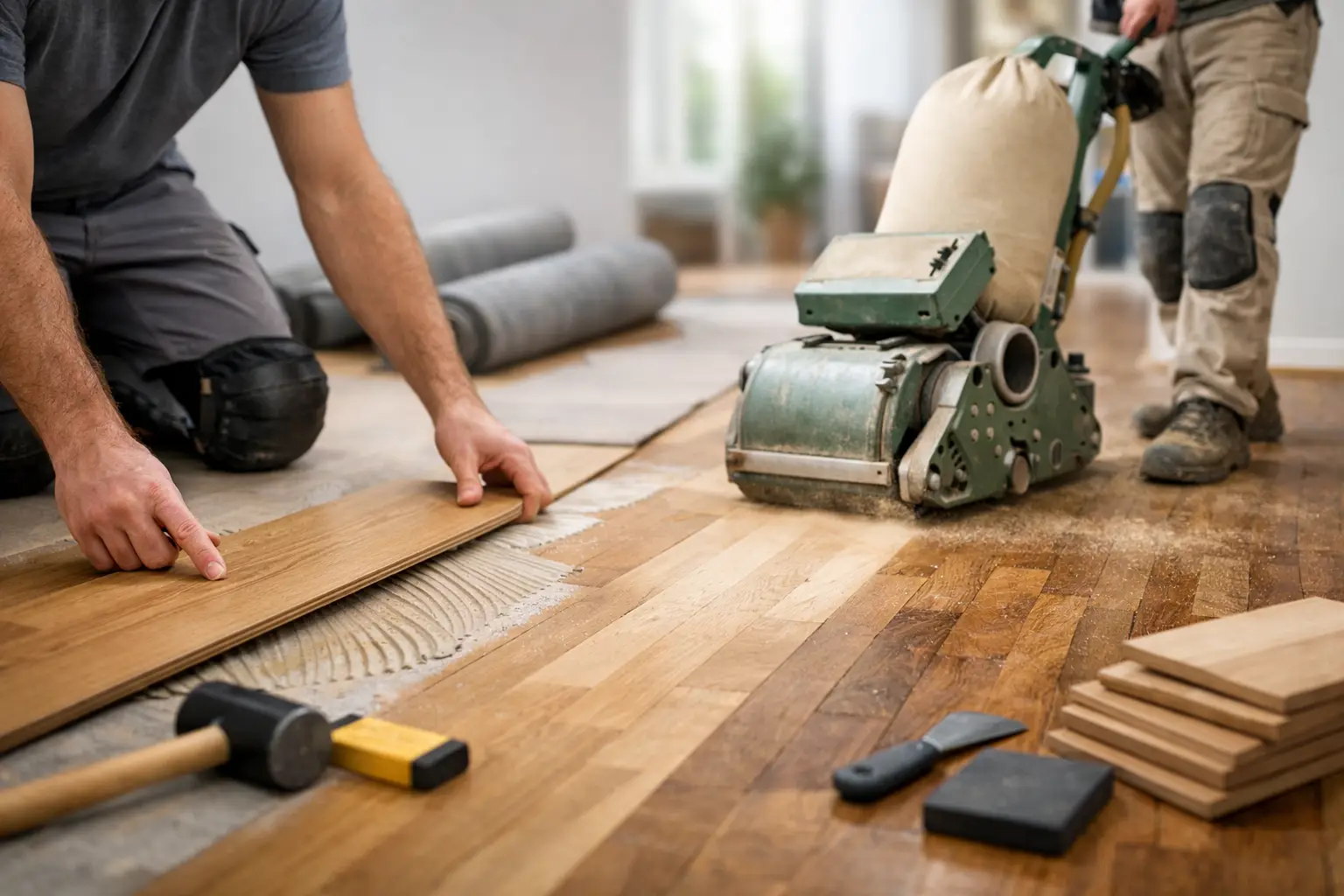
Site-finished hardwood often costs more in labor than prefinished flooring because it adds sanding, staining if selected, and multiple coats of finish. The payoff is a more custom appearance and a smooth surface across the entire floor. Prefinished hardwood can reduce installation time and allows for faster use of the space, but the look and edge profile are different.
Subfloor condition can change the price fast
This is one of the most overlooked parts of hardwood floor installation cost. The surface under the hardwood has to be stable, clean, dry, and flat within acceptable tolerances. If it is not, the finished floor can shift, creak, or wear unevenly.
Older homes often reveal surprises once the existing flooring is removed. You may find uneven plywood, damaged sections, moisture issues, or previous patchwork repairs. Concrete subfloors may need moisture testing and leveling. Wood subfloors may need fastening, replacement, or reinforcement. These are not upsells. They are part of building a floor that is meant to last.
In Pennsylvania, seasonal humidity changes can also affect wood movement. Proper acclimation and moisture evaluation are especially important. A contractor who takes time to evaluate site conditions is protecting the long-term performance of the floor, not slowing down the job.
Room layout, trim, and design details
Open rectangular rooms are the most efficient to install. Costs rise when the project includes multiple small rooms, tight closets, curved transitions, floor vents, kitchen footprints, islands, or complicated cuts around fireplaces and staircases. Stairs, in particular, are labor-intensive and usually priced separately from the main floor area.
Trim details also influence the budget. Shoe molding, baseboard removal and reinstallation, custom transitions, flush vents, and threshold work all add time. These details are often what give a finished project its clean, premium appearance. They should not be treated as an afterthought.
Direction of installation can affect labor as well. Running planks through connected spaces for a continuous look may require more planning and material waste, but it often produces a stronger visual result. Diagonal patterns, borders, or custom layouts add a high-end touch, though they also increase cost.
Is refinishing cheaper than new installation?
Sometimes, yes. If you already have solid hardwood in place and it is structurally sound, refinishing can be significantly less expensive than full replacement. Sanding and refinishing can remove surface wear, improve color, and restore the floor’s appearance without the cost of demolition and new material.
But refinishing is not always the best option. Deep movement, extensive water damage, severe warping, or multiple previous sandings may make replacement the smarter long-term decision. If you want wider planks, a different species, or a more modern layout, replacement may better support your goals.
This is where a professional assessment matters. The right recommendation should balance appearance, structural condition, budget, and how long you plan to keep the property.
How to budget for hardwood flooring the right way
Start with your goals, not just your square footage. Are you upgrading for resale, improving a long-term family home, or renovating a rental or commercial space that needs better durability and appearance? The best flooring choice depends on how the property will be used.
Then leave room in the budget for the parts of the job that protect quality. Demo, moisture control, leveling, trim carpentry, and finish work are not optional extras when they are needed. They are what turn a flooring purchase into a finished installation that looks polished and performs well.
It also helps to compare options honestly. If solid hardwood stretches the budget too far, engineered hardwood may offer a better balance of cost, look, and performance. If you are renovating multiple rooms, it may make sense to prioritize the most visible living areas first and phase the rest later.
A detailed estimate should feel clear, not vague. Professional contractors should explain the scope, the materials, the preparation required, and any variables that could affect final cost. That level of communication is often a good sign of the workmanship to expect.
Paying for value, not just flooring
Hardwood floors can absolutely raise the style and value of a property, but only when the installation is treated with the same care as the material selection. Clean lines, proper prep, durable finishes, and professional execution are what separate a floor that simply looks new from one that feels built into the home.
At Master Builder Home Improvement LLC, that is how quality flooring should be approached – not as a quick surface upgrade, but as a finish that adds lasting value. If you are planning a hardwood project, the best investment is a quote that tells the full story, because the right floor should still look impressive long after the install day is over.