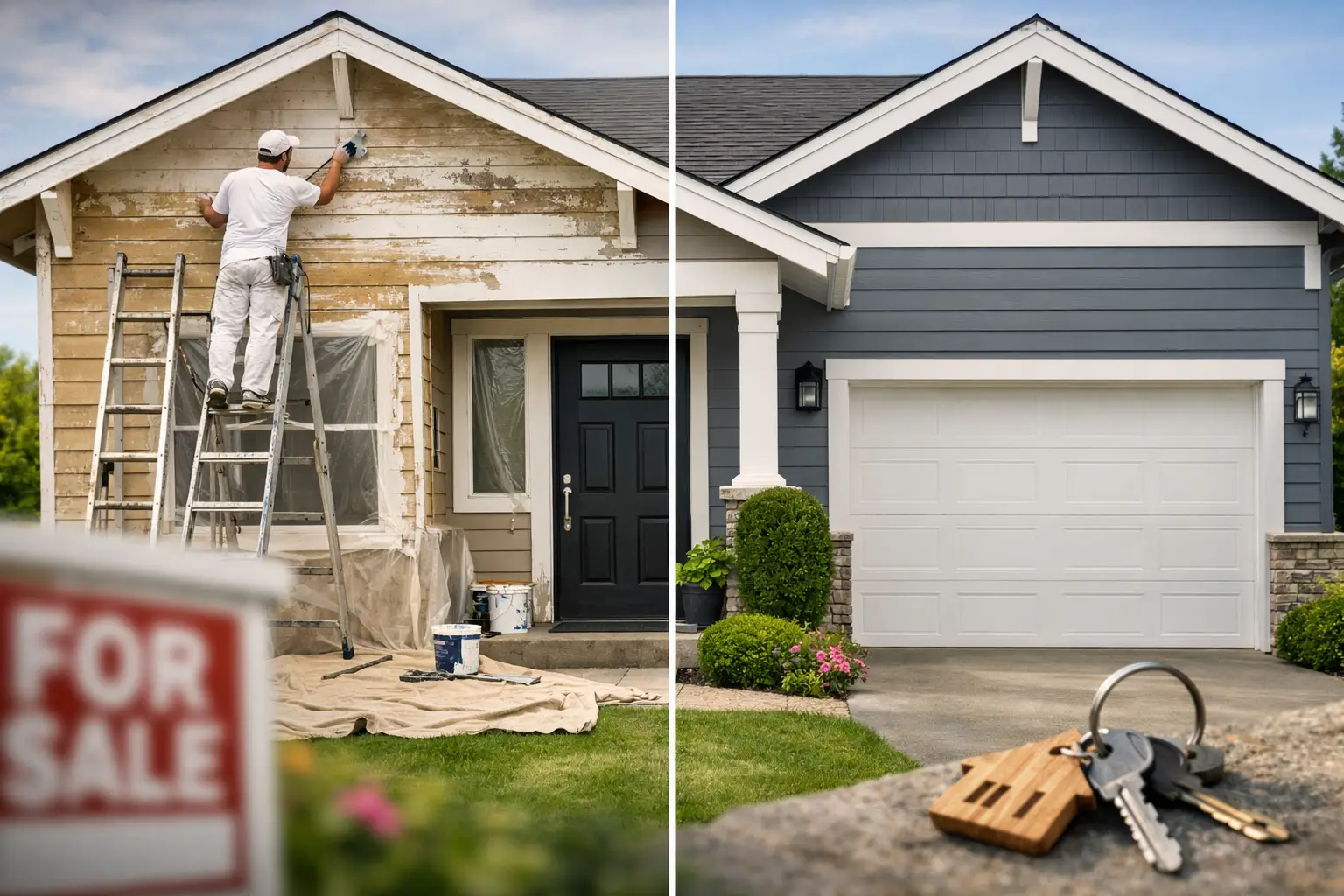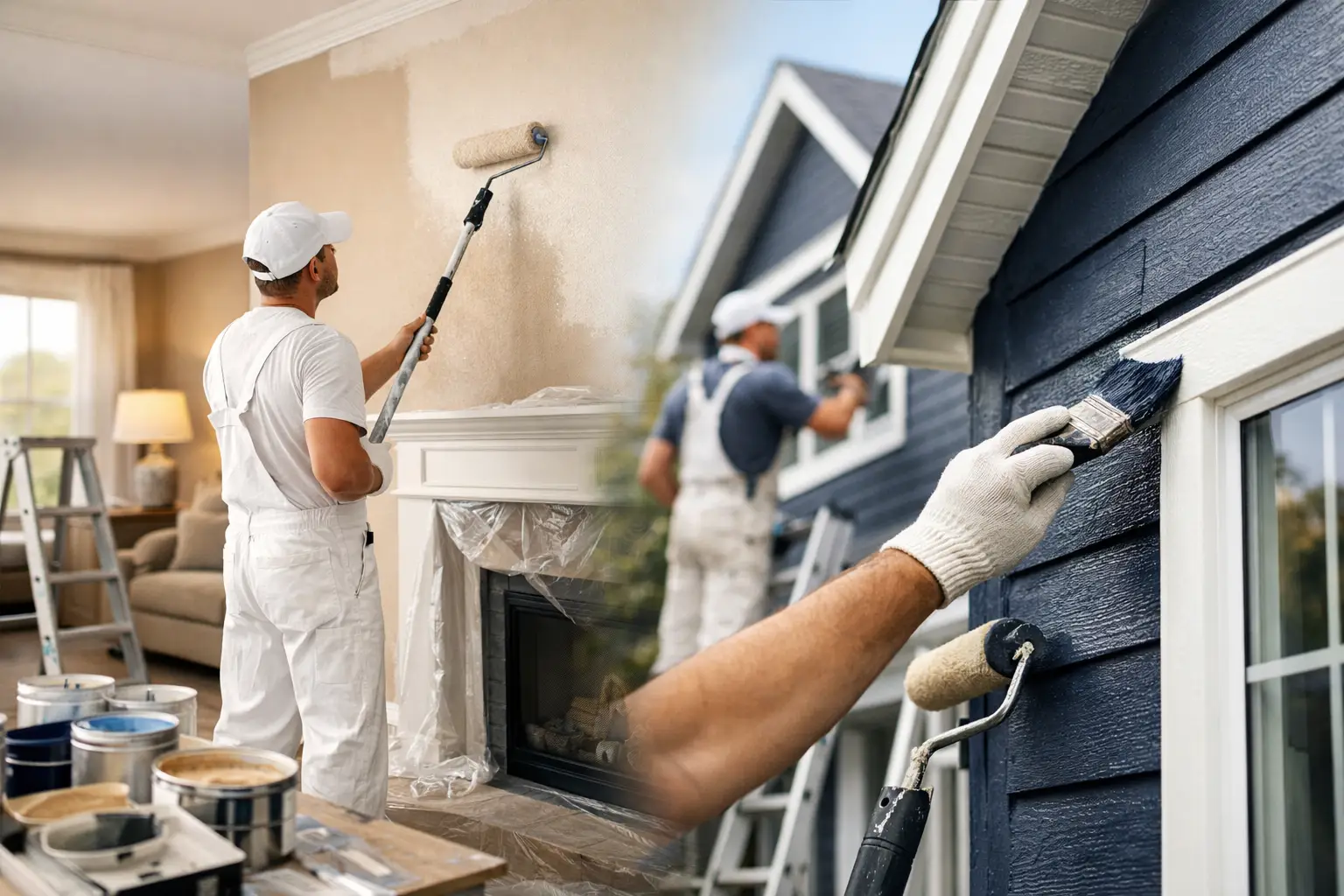


A fresh coat of paint can make a room look better in a day, but high-quality interior house painting services do much more than change the color on the walls. They correct surface flaws, protect drywall and trim, improve how light moves through a space, and give your home or commercial property a cleaner, more finished feel. When the work is done with proper prep, skilled application, and durable materials, the result is not just cosmetic. It adds lasting value.
For many property owners, painting seems straightforward until the details start to matter. Uneven walls, patched drywall, old stains, peeling edges, and rough trim can all show through a new coat if the surface is not prepared correctly. That is why professional interior painting is as much about craftsmanship as it is about color selection.
What interior house painting services should include
Good painting starts long before the first coat goes on the wall. A professional scope of work should include surface evaluation, patching where needed, sanding, caulking, protection of floors and furniture, proper priming, and clean finish coats. If any of those steps are rushed, the final look usually tells the story.
This is especially true in older homes, rental turnovers, and properties that have seen years of wear. Nail pops, minor cracks, smoke stains, water marks, and uneven texture often need attention before paint can do its job. In higher-end spaces, the standard is even higher. Flat walls, sharp cut lines, and consistent coverage matter because those details are what create a premium finish.
Interior house painting services can also include ceilings, trim, doors, baseboards, crown molding, stair railings, and accent walls. In some projects, painting is part of a larger improvement plan that may involve drywall repair, framing adjustments, flooring installation, or a kitchen or bathroom remodel. In those cases, coordination matters. Paint should support the final design, not compete with it.
Why prep work matters more than most people expect
The biggest difference between average painting and professional painting is usually not the final coat. It is the preparation underneath it.
A wall with dents, poor patches, or leftover adhesive may look acceptable before painting, but fresh paint often highlights imperfections instead of hiding them. The same goes for trim with open joints, doors with chips, or ceilings with stains. Proper sanding, filling, caulking, and priming create the foundation for a clean and durable result.
There is also a performance side to prep. Grease in kitchens, moisture in bathrooms, and high-traffic scuffing in hallways all affect how well paint adheres and how long it holds up. Using the right primer and surface preparation for each room helps reduce premature peeling, flashing, or uneven sheen.
For homeowners trying to protect long-term property value, this is where professional service pays off. A room can be painted quickly, but if it needs to be repainted again in a short time, the lower upfront cost usually disappears.
Choosing finishes for appearance and durability
Color gets most of the attention, but sheen matters just as much. The right finish changes how the room looks, how much light it reflects, and how easily the surface can be cleaned.
Flat and matte finishes tend to soften wall imperfections and create a more modern look, which is why many homeowners prefer them in bedrooms, living areas, and ceilings. Eggshell and satin offer a bit more washability and are common in hallways, family spaces, and children’s rooms. Semi-gloss is often used on trim, doors, and areas that need more moisture resistance.
There is no single best choice for every project. A busy rental property may benefit from more durable, easier-to-clean finishes, while a primary residence may prioritize softness and design appeal. In bathrooms and kitchens, product selection needs to account for humidity, cleaning frequency, and surface wear.
That is where experienced guidance matters. A professional painter should help you balance appearance, maintenance, and budget instead of recommending the same finish for every room.
Interior house painting services and property value
Paint is one of the most cost-effective ways to improve how a property feels. Clean walls, refreshed trim, and updated color choices can make interiors look newer, brighter, and better maintained. That matters whether you plan to stay in the property, lease it, or prepare it for sale.
For homeowners, painting often supports bigger goals. It can modernize an outdated floor plan, help tie together a remodel, or give older rooms a cleaner architectural look. For landlords and investors, it can make units easier to market and help reduce the worn appearance that turns away qualified tenants. For small commercial spaces, it can improve how customers and clients experience the environment the moment they walk in.
Still, value depends on execution. A rushed paint job with visible lap marks, drips, or sloppy trim lines can make a property feel less professional, not more. Clean finishes are what create the impression of quality.
When professional painting is the better investment
Some rooms are simple enough for a weekend project. Others are not. Tall foyers, detailed trim, repaired drywall, textured surfaces, occupied homes, and full-property repaints require more planning and more skill. If the goal is a premium result, professional application often saves time, reduces disruption, and avoids the rework that comes from uneven coverage or poor prep.
This is also true when painting is part of a larger renovation. If walls have been opened, patched, or reframed, the paint work needs to bring everything together. A polished final finish depends on how well the painting crew understands construction details, not just brush and roller technique.
That combination is one reason clients often prefer working with a remodeling company that also handles finishing work. When drywall, trim, paint, and adjacent surfaces are managed with the same standard of quality, the entire project feels more complete.
What to expect from a quality painting process
A professional experience should feel organized from the estimate to the final walkthrough. Clear communication is a major part of that. Property owners should know what surfaces are being painted, what repairs are included, what materials are being used, how the space will be protected, and how long the work is expected to take.
Clean jobsite practices matter too. Floors, furniture, fixtures, and adjacent finishes should be carefully protected. Daily cleanup should be part of the process, especially in occupied homes or active commercial spaces. At the end of the project, touch-ups should be addressed before the crew leaves, not after the customer discovers them later.
Master Builder Home Improvement LLC approaches interior finishing with that standard in mind – clean preparation, dependable execution, and results built to last. For clients who want more than a quick cosmetic update, that level of care makes a visible difference.
How color choices affect the final result
The right paint color does more than match décor. It shapes the mood of the room, affects how large or small the space feels, and changes the way finishes like flooring, cabinetry, and trim read in natural and artificial light.
Warm neutrals can make a home feel more inviting, while cooler tones can create a sharper, more contemporary look. Soft off-whites remain a strong choice for homeowners who want brightness without the harshness of pure white. Accent walls can add depth, but they work best when the room already has a clear focal point.
It also helps to think beyond trends. A bold color may look great in one setting and feel dated quickly in another. If resale, rental appeal, or long-term flexibility is a priority, timeless colors usually offer better value. If the space is more personal and design-driven, stronger color choices may make sense. It depends on how the room is used and what the property needs to achieve.
Painting is finish work, not just maintenance
There is a reason the final phase of a project gets so much attention. Paint is one of the first things people notice and one of the last details that determines whether a room feels complete. It can sharpen architectural lines, clean up visual clutter, and bring a sense of order to the entire space.
That is why interior painting should be treated as finish work, not an afterthought. Done right, it protects surfaces, improves daily use, and helps your property present at a higher level. If you are investing in your home or commercial space, the quality of the paint work should reflect the value you want the property to hold.
A well-painted interior does not need to announce itself. You see it in the smooth walls, the crisp trim, and the way the whole room feels more finished the moment you walk in.