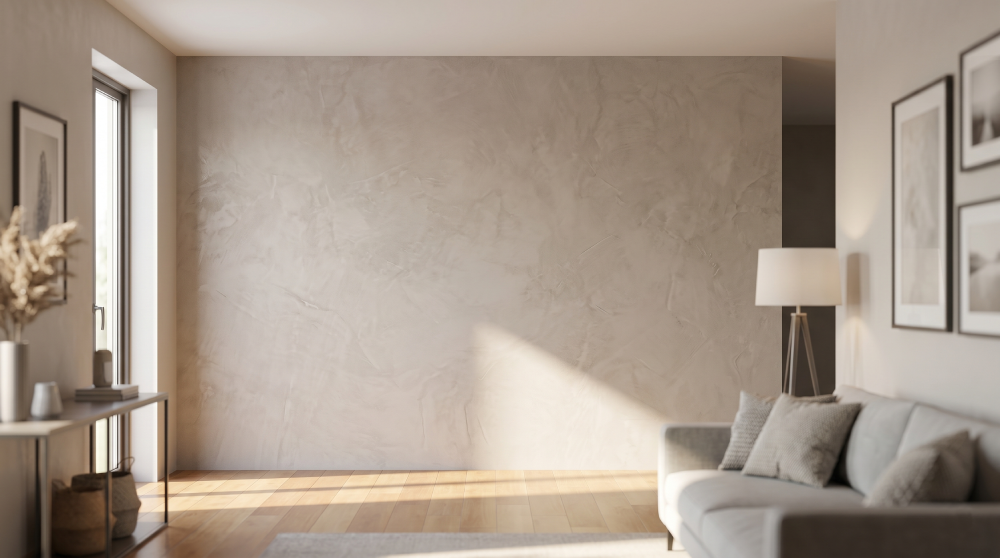


A wall can look perfectly straight on day one and still create problems for years if the framing behind it was rushed. That is why choosing the right metal stud framing contractors matters more than many property owners expect. In residential renovations, tenant build-outs, and light commercial work, framing sets the standard for everything that follows – drywall, doors, finishes, trim, insulation, and overall durability.
Metal stud framing is often the right choice when clients want cleaner lines, consistent dimensions, resistance to warping, and a professional finish that holds up over time. But the material alone does not guarantee a better result. Good framing depends on layout accuracy, proper fastening, coordination with mechanicals, and a crew that understands how the finished space needs to function.
Why metal stud framing is often the better choice
Wood framing still has its place, especially in certain residential applications, but metal studs offer clear advantages in many interior projects. They are straight, uniform, and less likely to twist, shrink, or bow as conditions change. That consistency helps create flatter walls and cleaner finish work, which matters when you are investing in high-end drywall, paint, tile, cabinetry, or custom interior details.
For commercial spaces and mixed-use properties, metal framing is also a practical choice because it supports efficient build-outs and predictable results. In office renovations, retail spaces, basements, and partition wall systems, metal studs can help streamline installation while reducing some of the movement issues commonly seen with wood.
That said, there are trade-offs. Metal stud framing requires the right tools, the right fastening methods, and installers who understand gauge selection, spacing, backing, and load considerations. It is not simply a swap for wood. If the contractor treats it that way, quality can suffer quickly.
What experienced metal stud framing contractors actually do
The best metal stud framing contractors do much more than stand walls and move on. They think through the full assembly. That includes layout, structural intent, backing for mounted items, coordination for electrical and plumbing, drywall readiness, and finish alignment.
A good contractor starts by checking dimensions carefully and identifying conflicts before installation begins. If a wall needs to support shelving, vanities, televisions, handrails, or commercial fixtures, backing has to be planned early. If door openings are not framed correctly, problems show up later in hardware installation, trim alignment, and daily use.
This is where experience shows. A skilled crew understands that framing is not an isolated task. It is the foundation for a clean remodel. Precision at this stage helps avoid visible imperfections later, from uneven corners to cracked joints and misaligned finishes.
Signs you are hiring the right contractor
When evaluating framing contractors, start with how they communicate. Clear estimates, realistic timelines, and direct answers are usually a strong sign. If a contractor is vague about materials, scope, or installation methods, that uncertainty often shows up on the jobsite too.
You should also pay attention to how they talk about the finished product. Strong contractors do not focus only on speed. They talk about straight walls, proper spacing, clean attachment points, and coordination with drywall and finish work. That mindset usually leads to better long-term value.
Look for a contractor who understands both construction performance and visual quality. In remodeling, those two go together. A framed wall may technically stand, but if it creates waves in drywall or uneven transitions around openings, the final result will not feel premium.
It also helps to ask how they handle site protection, corrections, and changes. Remodeling work rarely happens in perfect conditions. Existing structures can be out of square, floors can vary, and older buildings can reveal surprises once walls are opened. Reliable contractors know how to adapt without cutting corners.
Questions worth asking metal stud framing contractors
Before you hire anyone, ask practical questions that reveal how they work. What stud gauge do they plan to use for the application? How will they handle backing for mounted items? How do they coordinate with drywall, plumbing, and electrical trades? What steps do they take to keep walls straight and openings accurate?
You do not need to speak like a builder to ask good questions. You just want clear, confident answers. If a contractor can explain the process in plain language, that usually reflects professionalism and control.
It is also worth asking about project sequencing. Framing can move quickly, but only if the site is ready and the next phases are coordinated. A contractor who thinks ahead can help prevent delays, rework, and unnecessary labor costs.
Where quality problems usually start
Most framing issues are not dramatic at first. They show up as small mistakes that affect every phase after. Poor layout can throw off room dimensions. Inconsistent stud placement can make drywall installation harder. Missing backing creates headaches for finish carpentry and mounted fixtures. Weak door framing leads to movement, cracking, and hardware problems.
Another common issue is underestimating the importance of existing conditions. In renovation work, floors and ceilings are not always level, and old framing can be inconsistent. Experienced contractors know when to follow an existing line and when to correct it for a cleaner finished appearance. That judgment matters.
Low-cost bids often leave out this level of care. A cheaper framing price may sound attractive, but if it creates finish issues or callbacks later, the savings disappear fast. For property owners focused on long-term value, quality framing is money well spent.
Residential and commercial needs are not always the same
Homeowners often want metal stud framing for basement finishing, interior reconfiguration, or renovations where clean walls and durability matter. In those settings, the contractor needs to balance structural practicality with finish quality. The wall may be hidden behind drywall, but the outcome is highly visible once painting, trim, flooring, and lighting are complete.
Commercial clients usually have added concerns such as tenant deadlines, code requirements, layout efficiency, and coordination with multiple trades. Office partitions, retail improvements, and service-area build-outs demand accuracy and consistency. The contractor has to work cleanly, communicate clearly, and keep the project moving.
That is why hiring a remodeling partner with finish-focused standards can make a difference. A contractor who understands framing as part of the complete renovation process is better positioned to deliver a polished result, not just passable rough work.
Why craftsmanship still matters in a material-driven trade
Metal studs are manufactured for consistency, but craftsmanship still separates a good job from an average one. Clean cuts, proper fastening, tight layout, solid blocking, and careful alignment all require skill. There is no shortcut for experience.
This is especially true in projects where premium finishes are part of the goal. Venetian plaster, large-format tile, custom millwork, and refined paint finishes all depend on stable, straight, properly framed surfaces. The more elevated the finish, the less room there is for framing errors underneath.
For clients who want spaces that feel modern, solid, and professionally built, framing should never be treated as an afterthought. Built to Last. Made to Impress. That standard starts behind the walls.
Choosing for value, not just price
The best hiring decision usually comes down to value, not the lowest bid. A strong contractor gives you confidence in the process, clarity in the estimate, and work that supports the quality of the entire space. That matters whether you are updating a home, improving a rental property, or preparing a small commercial space for long-term use.
In Pennsylvania renovations, where properties range from newer builds to older structures with plenty of surprises, practical experience matters even more. A contractor who can frame accurately, communicate clearly, and protect the quality of the finish work is worth the investment.
Master Builder Home Improvement LLC approaches framing the same way it approaches every renovation detail – with precision, durable materials, and a clear focus on the finished result. When the framing is done right, everything built on top of it performs better and looks better.
If you are comparing contractors, look beyond the surface. Ask how they frame, how they coordinate, and how they protect the final quality of your project. The right choice will show up not only in the walls you do not see, but in the clean, durable space you enjoy every day.