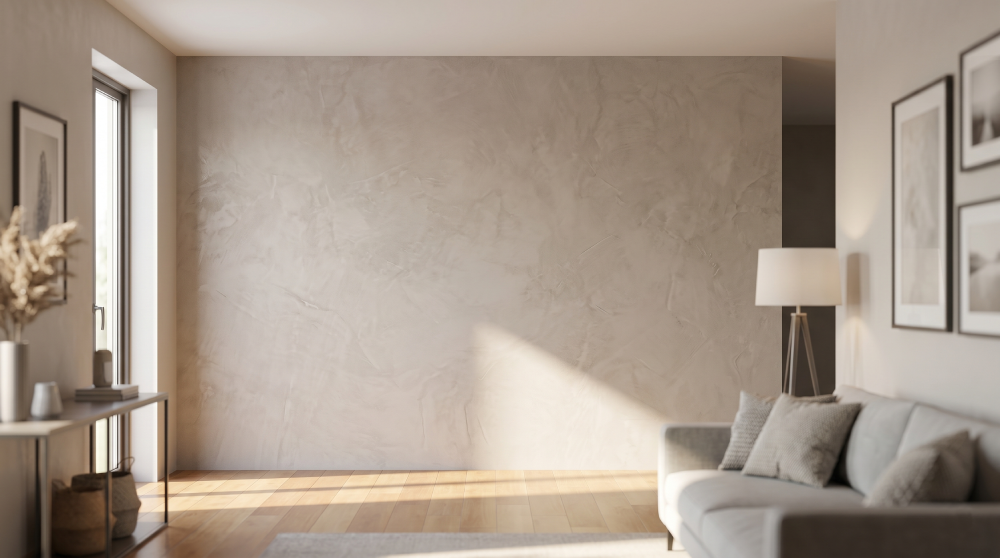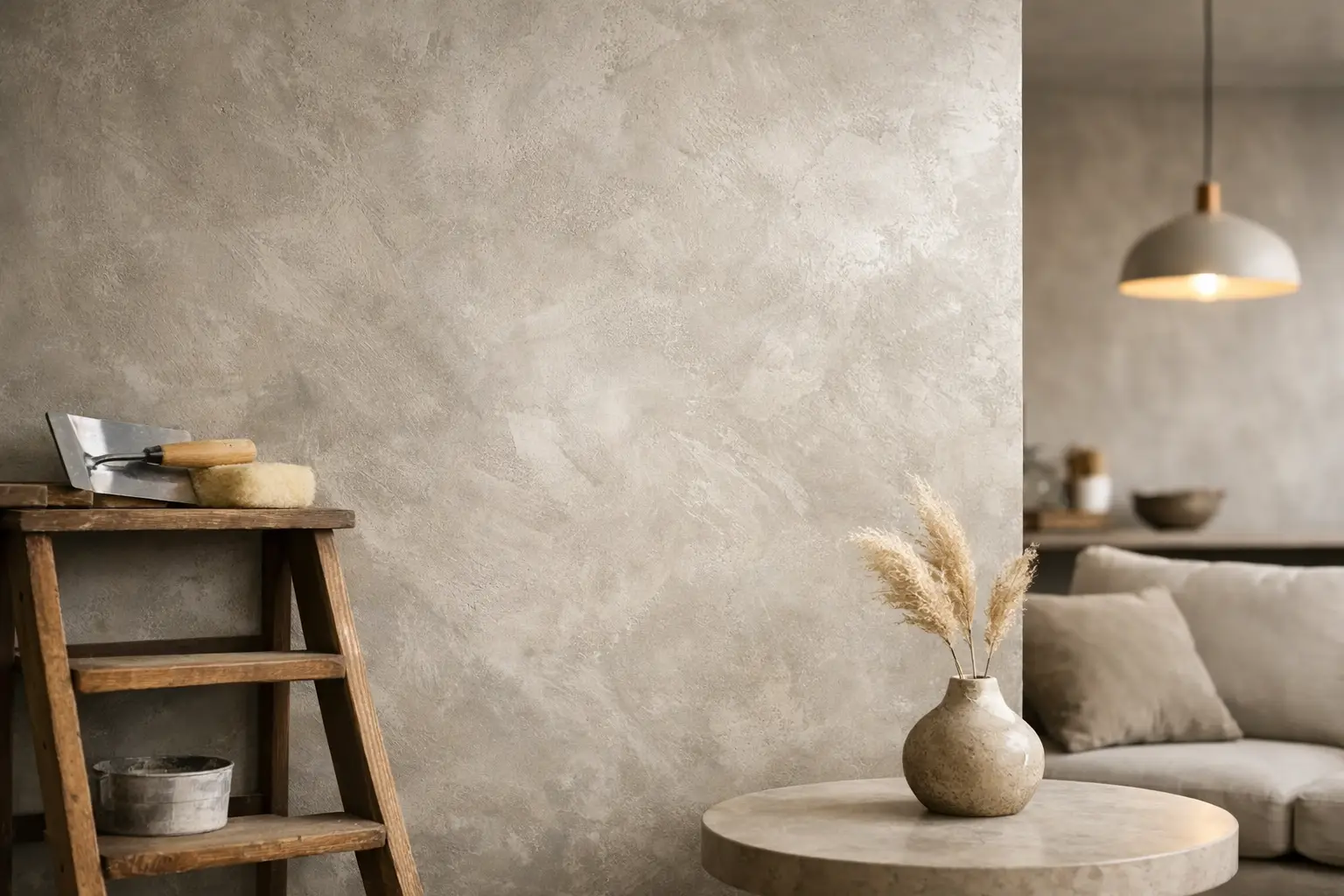

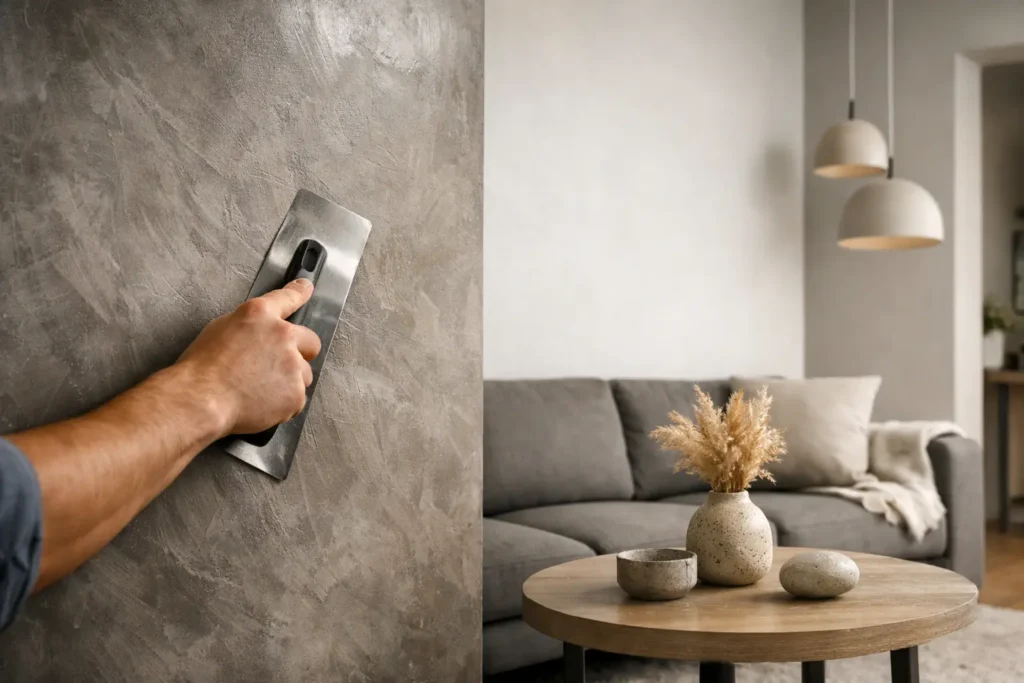
A wall finish can make a room look expensive, or it can make a renovation feel unfinished no matter how much you spent elsewhere. That is why homeowners often ask, is venetian plaster worth it when standard paint costs far less and seems easier to maintain.
The honest answer is yes, for the right space and the right expectations. Venetian plaster is not a budget finish, and it is not the best choice for every wall in every home. But when it is installed correctly, it delivers a depth, texture, and custom look that paint simply cannot match. It also adds a level of craftsmanship that people notice right away.
Is Venetian Plaster Worth It in Real Life?
Venetian plaster earns its value when appearance matters, when you want a premium finish, and when the work is done by an experienced professional. It creates movement, softness, and dimension across the wall surface. Instead of a flat painted look, you get a finish that changes subtly with light throughout the day.
That matters in spaces where design has a strong influence on how the property feels and how it is perceived. Entryways, dining rooms, accent walls, powder rooms, upscale offices, and commercial reception areas are common examples. In those areas, venetian plaster can act like an architectural feature rather than just a wall covering.
If your priority is the lowest upfront cost, the answer is probably no. If your priority is long-term visual impact and a custom finish that helps the property stand out, the answer becomes much stronger.
What You Are Really Paying For
Many people compare Venetian plaster to paint and stop at the price difference. That misses the bigger picture.
With Venetian plaster, you are paying for material quality, surface preparation, layered application, and finishing skill. This is a hand-applied decorative finish. The final look depends heavily on technique, timing, pressure, and product knowledge. Small mistakes show. Good craftsmanship shows even more.
That is one reason pricing varies. A simple painted wall can hide average workmanship. Venetian plaster cannot. To get the polished, clean, high-end result most clients want, the substrate needs to be properly prepared and the finish needs to be applied with consistency and control.
In practical terms, the cost reflects labor just as much as material. This is a finish built on skill, not speed.
Why installation quality matters so much
A beautiful sample board does not guarantee a beautiful wall. Existing drywall condition, patch quality, corners, lighting, and room humidity can all affect the final result. If the wall underneath is uneven or poorly repaired, the plaster finish can highlight those flaws instead of hiding them.
That is why professional prep is part of the value. When the base is right and the finish is applied correctly, the wall looks intentional, refined, and durable. When it is rushed, it can look inconsistent and expensive for the wrong reasons.
The Biggest Benefits of Venetian Plaster
The most obvious benefit is appearance. Venetian plaster has a depth that standard paint rarely achieves. Depending on the product and technique, it can look soft and matte, polished and dramatic, or subtly textured with a natural stone effect.
It also offers strong design flexibility. You can keep it understated in warm neutral tones, or you can use it to create a bold statement wall. In modern interiors, it adds texture without visual clutter. In classic interiors, it brings a timeless finish that feels more architectural than decorative.
Durability is another advantage. A properly installed plaster finish can hold up very well over time, especially in lower-impact areas. It does not peel like cheap paint, and quality products can resist normal wear better than many homeowners expect.
There is also a value perception benefit. Premium finishes influence how a home or commercial space is experienced. Buyers, guests, and clients may not always know exactly what they are looking at, but they can tell when a space feels custom and well finished.
Where Venetian Plaster Makes the Most Sense
Venetian plaster tends to be most worth it in spaces where texture, lighting, and finish quality have room to stand out. A formal living room with natural light is a better candidate than a crowded utility room. A boutique office lobby is a better candidate than a basic storage area.
Feature walls are often the smartest starting point. They let you create strong visual impact without covering the entire property. Powder rooms are another good option because they are smaller spaces where premium finishes can make a big impression.
In Pennsylvania homes, it can also work especially well in renovations where the goal is to move beyond builder-grade finishes. If you are already investing in custom trim, flooring, lighting, or a kitchen or bath upgrade, Venetian plaster can help the walls keep up with the rest of the design.
When it may not be the best investment
It is not always the right choice. High-traffic hallways, kids’ playrooms, and spaces likely to take repeated impact may be better served by other durable wall solutions. The same goes for projects where budget pressure is already high and other upgrades will deliver more immediate function.
If you are renovating strictly for a quick sale, the return depends on the market and the rest of the property. A premium wall finish in an otherwise basic house may not deliver the same payoff as updated flooring, paint, or kitchen improvements.
Maintenance and Repair Considerations
One reason people hesitate is maintenance. They assume decorative plaster is delicate or difficult to live with. In reality, maintenance is usually manageable, but it is different from painted drywall.
Routine cleaning should be gentle, and harsh scrubbing is never ideal. The exact care depends on the type of plaster and topcoat used. Some finishes are more breathable and natural-looking, while others are sealed for better moisture resistance and easier cleaning.
Repair is where the trade-off becomes more important. Touching up a painted wall is usually simple. Touching up Venetian plaster is more specialized because the finish has variation, movement, and hand-applied texture. A patch may require blending by someone who understands the original technique.
That does not make it impractical. It simply means you should treat it as a premium finish, not a basic wall covering.
Does Venetian Plaster Add Home Value?
It can, but not in the same direct way as a new roof or a full kitchen remodel. Venetian plaster adds value through presentation, finish quality, and design appeal. It helps a property feel elevated and custom, which can support stronger buyer impressions and a more polished overall renovation.
The strongest value comes when the finish fits the home. In a well-designed interior with quality flooring, trim, lighting, and updated surfaces, Venetian plaster can reinforce that premium standard. In a space with outdated materials around it, the effect is weaker.
Think of it less as a stand-alone resale upgrade and more as part of a complete finish package. It helps tell buyers or clients that the property was improved with care, not just refreshed as cheaply as possible.
Cost Versus Longevity
The question is not only what it costs today. It is also how long you will appreciate it and how often you would otherwise need to repaint for the same level of visual freshness.
A high-quality Venetian plaster installation can remain attractive for years if the space is suitable and the finish is maintained properly. It has a timeless quality that often outlasts short-term paint trends. That can make the higher initial investment easier to justify, especially in rooms you use and see every day.
This is where experienced contractors make a real difference. Clear surface prep, proper product selection, and clean execution help protect that investment. A premium finish should look intentional from every angle, not good enough from across the room.
So, Is Venetian Plaster Worth It?
For homeowners and property owners who care about clean design, craftsmanship, and long-term visual impact, Venetian plaster is often worth it. It offers a custom finish, a more refined look than paint, and a strong sense of quality when installed correctly.
For budget-first projects or heavily used walls that need easy touch-ups, it may not be the smartest choice. That does not make it overrated. It just means the best finish depends on the room, the goals, and the level of workmanship behind it.
At Master Builder Home Improvement LLC, the most successful plaster projects are the ones where clients want more than a color change. They want texture, depth, and a finish that feels built into the design of the room. If that is what you want from your walls, Venetian plaster is not just a decorative upgrade. It is a finish that can change how the entire space feels.
The best way to judge its value is simple – look at the room, the light, and the standard you want the space to meet. If you want walls that do more than blend into the background, Venetian plaster has a strong case.