
If you want a floor that looks premium, cleans easily, and holds up under real use, high-performance epoxy flooring is one of the best upgrades you can make—especially for garages, basements, workshops, and commercial spaces.
In this guide, we’ll explain what epoxy flooring is, why it performs so well, what impacts pricing, and how to choose the right system for your space.
1) What is a “high-performance” epoxy floor?
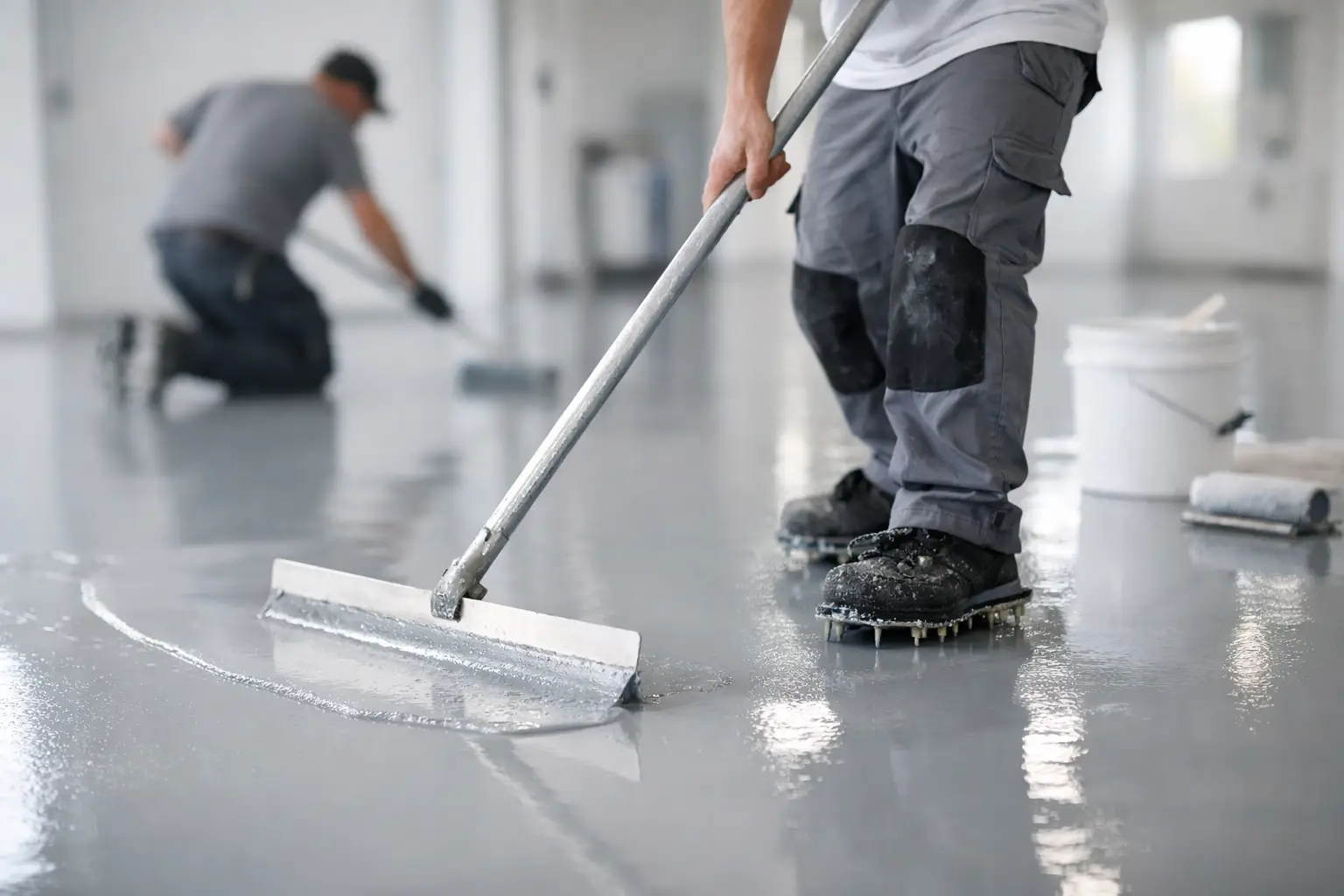
A true high-performance epoxy floor is not just paint. It’s a multi-layer coating system designed to bond to concrete and create a durable, chemical-resistant surface.
A professional system typically includes:
Concrete surface prep (the most important step)
Primer/base coat
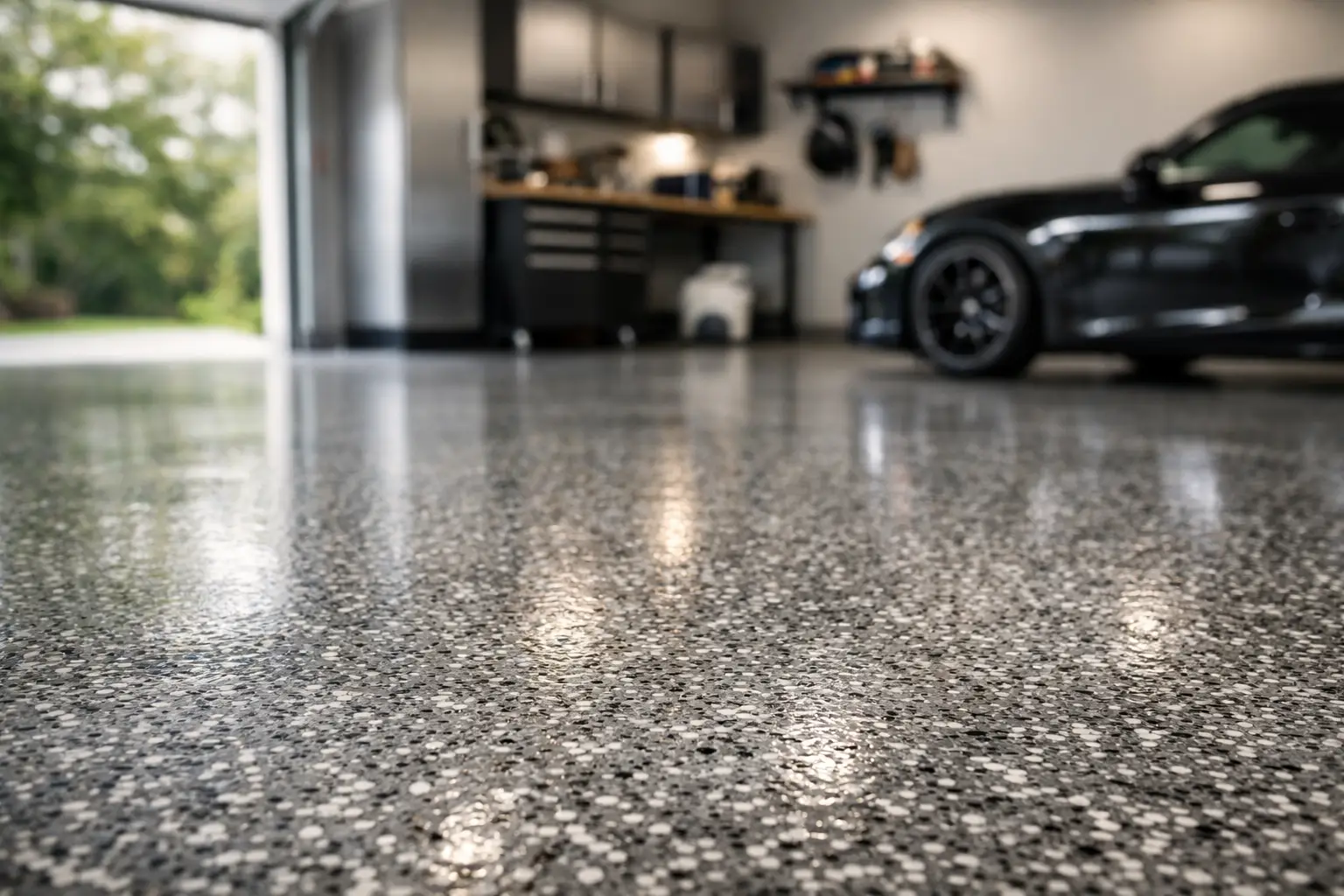
Epoxy build coat (often with flakes or quartz)
Protective topcoat (UV and scratch resistance)
2) Where epoxy flooring works best
Epoxy flooring is ideal for spaces that need durability and easy cleanup:
Residential
Garages (oil, salt, tire marks)
Basements (clean look, moisture considerations)
Utility rooms / laundry rooms
Home gyms
Storage areas
Commercial
Light industrial areas
Showrooms
Warehousing walkways
Retail backrooms
3) Key benefits of epoxy floors
Homeowners and business owners choose epoxy because it delivers:
Durability: resists abrasion, impact, and heavy foot traffic
Easy cleaning: dust and dirt don’t sink into porous concrete
Chemical resistance: helps protect against oil, cleaners, and stains
Slip-resistant options: available based on your needs
High-end look: modern finishes like flakes, metallics, and solid colors
Concrete protection: reduces wear and surface deterioration
4) What impacts the cost of epoxy floors?
Pricing depends on real conditions and the level of performance you want. Key factors include:
Square footage
Concrete condition (cracks, pitting, old coatings)
Moisture issues (may require mitigation)
System type (solid color vs flakes vs quartz vs metallic)
Topcoat quality (UV resistance, scratch resistance)
Prep method (professional grinding creates the best bond)
Important: Most epoxy failures come from poor prep. The floor can look great on Day 1 and peel later if prep is skipped.
5) Popular finish options (look + performance)
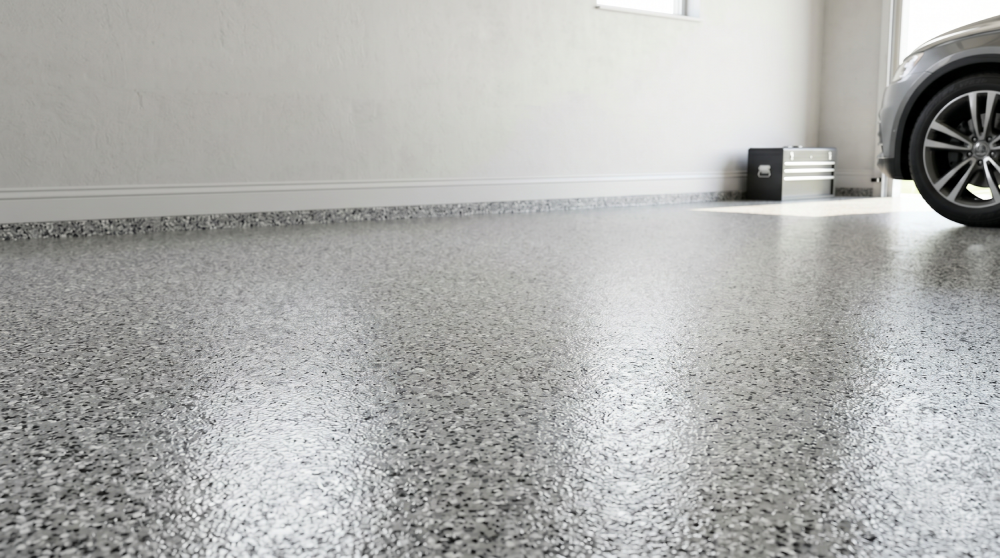
Full flake broadcast: modern, hides imperfections, very popular in garages
Quartz systems: highly durable and often used commercially
Metallic epoxy: luxury look, great for showrooms and statement spaces
Solid color: clean and minimal
6) Maintenance tips (keep it looking new)
Sweep or dust mop regularly
Use mild cleaner (avoid harsh acids)
Wipe spills quickly
Use protective pads under heavy equipment
For garages: rinse winter salt buildup periodically
FAQs
How long does installation take?
Many projects take 1–3 days, depending on prep, curing time, and the system chosen.
Is epoxy slippery?
It can be—but slip-resistant additives can be added, especially for garages and entry areas.
Will epoxy peel?
If installed correctly with proper prep, it bonds strongly. Peeling is usually caused by poor surface prep or moisture issues.
Ready to upgrade your concrete?
If you’re in Allentown, Bethlehem, Easton, or anywhere in Lehigh Valley, we can recommend the right epoxy system and provide a clear scope of work.
Request a Free Estimate
(Insert button/link to Contact page)
Service Area: Lehigh Valley, PA and surrounding areas