
A bathroom can look newly renovated with the right color plan, or look dated even when every fixture is new. Bathroom color trends 2026 move away from cold, all-white spaces and toward colors that feel warmer, more grounded, and easier to live with. The best results are not about chasing a short-lived shade. They come from combining a thoughtful palette with clean installation, durable materials, and finishes that suit the way the room is used.
For Pennsylvania homeowners, this shift makes practical sense. Bathrooms often have limited natural light, changing humidity, and hard-working surfaces that must hold up to daily use. A color that looks beautiful on a small paint chip can feel too dark, too gray, or too sterile once it is surrounded by tile, lighting, and cabinetry. Planning the full room before work begins protects the investment and creates a finish that continues to add value over time.
Bathroom Color Trends 2026: Warm, Natural, Intentional
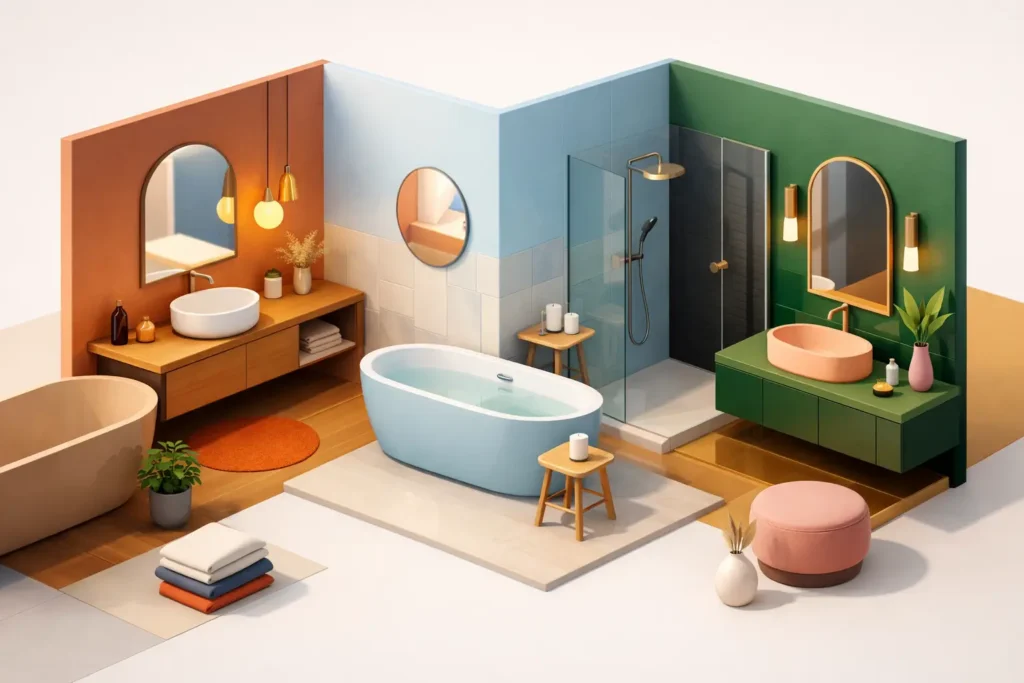
The defining direction for 2026 is warmth with restraint. Instead of bright white paired with cool gray, expect softer off-whites, clay-based neutrals, muted greens, and deeper accent colors. These shades give a bathroom more character while still supporting a polished, premium appearance.
Warm colors do not mean a dark or heavy room. A soft mushroom taupe, pale sand, oatmeal, or creamy beige can make a compact bathroom feel calmer and more finished than stark white. These tones work especially well with porcelain tile, brushed nickel, warm brass, natural wood vanities, and stone-look surfaces. They also tend to be more forgiving of water spots and everyday wear than bright white walls or high-gloss finishes.
The goal is a coordinated space, not a room filled with competing colors. A strong bathroom palette usually has one dominant field color, one supporting material tone, and one accent. For example, warm white walls, light oak cabinetry, and an olive vanity can feel current without becoming overly themed.
Soft Warm Whites Replace Stark White
White remains a dependable choice, but the undertone matters more than ever. Pure, blue-based whites can make a bathroom feel clinical, particularly under cool LED lighting. In 2026, homeowners are choosing whites with a slight cream, sand, or taupe undertone to create a more comfortable backdrop.
This approach is useful when tile, countertops, or fixtures already carry visual weight. A warm white lets those materials stand out while keeping the room bright. It is also a smart choice for resale-minded projects because it gives future owners flexibility with towels, art, mirrors, and hardware.
Before selecting paint, look at the room at several times of day. Window direction, vanity lighting, and shower tile can change how a white reads. A color that appears clean and warm in a showroom may appear yellow beside cool marble or gray next to a blue-toned floor.
Earthy Greens Bring Color Without Overpowering the Room
Muted green is one of the strongest bathroom color trends for 2026. Think olive, eucalyptus, moss, sage with gray undertones, and softened forest green. These shades bring depth to a bathroom without the intensity of a bright jewel tone.
Green is especially effective on a vanity, lower wall treatment, or a single feature wall. It pairs naturally with warm whites, light wood, limestone-look tile, and brushed brass. In a bathroom with good natural light, a deeper olive can create a tailored, upscale feel. In a smaller powder room, a lighter eucalyptus shade can add personality while preserving a sense of openness.
The trade-off is lighting. Some greens can look muddy under weak or overly yellow lighting. A professional renovation plan should consider fixture color temperature and placement along with paint and tile selections. Good lighting gives color its intended depth and helps the entire room feel more functional for grooming and daily routines.
Clay, Terracotta, and Mineral Tones Add Depth
Warm mineral colors are gaining ground for homeowners who want more than a neutral bathroom. Soft terracotta, faded brick, dusty rose, cinnamon, and muted clay create a welcoming, architectural look. Used carefully, they can make a standard bathroom feel custom-built.
These tones are often best in powder rooms, larger primary bathrooms, or spaces with balanced natural light. They can be introduced through a painted vanity, plaster-inspired wall finish, tile detail, or a warm-toned shower niche. A full room in saturated terracotta may be too strong for some layouts, but a carefully placed accent can bring visual interest without limiting future updates.
For a more refined version of this trend, choose colors that are softened with brown, gray, or beige. The most successful mineral palettes feel connected to natural materials rather than overly orange or pink.
Dark Accents Create a More Tailored Bathroom
Charcoal, deep navy, espresso brown, and black continue to have a place in 2026, but they are being used with more purpose. Rather than covering every wall in a dark shade, homeowners are using deep colors to frame a vanity, define a niche, highlight millwork, or create contrast against warm tile.
A dark vanity can anchor a bright bathroom and make standard white fixtures feel more substantial. Navy works well with marble-look porcelain and polished nickel. Espresso brown adds richness beside cream tile and warm brass. Black can look sharp with natural oak and off-white walls, but it requires disciplined detailing. Uneven drywall, poor caulking, and inconsistent paint sheen are more visible against dark colors.
This is where craftsmanship matters. Crisp paint lines, properly prepared walls, accurate tile layout, and clean transitions around fixtures determine whether a dark accent feels premium or unfinished. High-contrast color schemes leave little room for rushed work.
Brown Is Back, but Not the Old Builder Beige
Brown is returning in a more sophisticated form. The 2026 version includes cocoa, walnut, mushroom, and smoky taupe rather than flat, yellow-heavy beige. These colors offer a grounded alternative to gray and work well in bathrooms designed around wood finishes, stone textures, or warm metal hardware.
A brown-toned vanity paired with creamy walls can make a primary bath feel relaxed and established. Mushroom paint is particularly versatile because it can lean warm or cool depending on surrounding materials. This makes it useful for homes where existing flooring or adjacent rooms influence the bathroom palette.
Choose Color Around Permanent Materials First
Paint is easier to change than tile, flooring, countertops, and cabinetry. For that reason, select the long-term materials first, then match the wall color and accents around them. This order prevents expensive corrections after installation and helps every finish feel intentional.
Start with the floor and shower tile, since these cover the largest visual surfaces. Next, consider the vanity color, countertop, and hardware. Then choose paint based on the undertones already in the room. A beige tile may carry pink, yellow, gray, or green undertones, and the wrong wall color can make that difference more noticeable.
Sheen also matters. Eggshell or satin paint is often practical for bathroom walls because it offers better cleanability than flat paint without the glare of high gloss. For trim and cabinetry, a durable, moisture-resistant coating provides a cleaner finish and better long-term protection. Proper surface preparation is just as important as the color itself, particularly on older walls, previously painted cabinets, or areas with moisture damage.
Make Small Bathrooms Feel Balanced, Not Bland
Small bathrooms do not have to be white to feel open. A single color across the walls, vanity, and trim can blur visual boundaries and make the room feel more cohesive. Light warm neutrals are an easy option, but medium tones can also work when paired with a large mirror, layered lighting, and a clear glass shower enclosure.
If you want to use a darker color in a compact bath, keep the floor and major tile surfaces lighter. Another effective approach is to place the deeper color below eye level, such as on the vanity or lower wall, while keeping upper walls soft and bright. This gives the room depth without making it feel closed in.
Avoid adding several competing finishes to a small space. Patterned tile, dramatic stone, dark paint, and bold hardware can each work, but using all of them together often creates visual clutter. One statement material is usually enough.
A Color Plan Should Support Long-Term Value
Trend-aware design should still fit the home, the budget, and the expected length of ownership. A homeowner planning to stay for years may enjoy a moody green vanity or a clay-toned powder room. A rental property or resale-focused remodel may benefit more from warm neutrals with durable, easily updated accents.
At Master Builder Home Improvement LLC, bathroom remodeling decisions are approached as part of the complete finish, from wall preparation and paint quality to tile alignment, flooring, and fixture details. The right color palette has more impact when the construction underneath is sound and every surface is completed with care.
Bring a few paint samples into the actual bathroom, place them beside the tile and vanity, and review them under daytime and evening lighting before making a final choice. That small step can help turn a promising 2026 color trend into a bathroom that feels personal, polished, and built to last.