
A bathroom can be one of the smallest rooms in a home and still have an outsized effect on how the property feels, functions, and sells. The bathroom remodel return on investment comes from more than a new vanity or attractive tile. It depends on whether the finished space solves real problems, matches the home’s value, and shows the kind of clean, durable craftsmanship buyers and homeowners recognize.
For Pennsylvania property owners, a well-planned bathroom renovation can improve daily comfort while strengthening the property’s market appeal. The goal is not to spend the most. It is to invest in the right improvements, install them correctly, and avoid design decisions that limit the space’s appeal a few years from now.
What Does Bathroom Remodel Return on Investment Mean?
Return on investment, often called ROI, compares the value a renovation adds with the cost of completing it. In a bathroom remodel, that value can show up in two ways: a higher resale price and a stronger position when the home is listed. A modern, well-maintained bathroom may help a buyer feel more confident about the entire property, reducing the impression that immediate repairs are waiting for them after closing.
However, ROI does not mean every dollar spent returns as an equal increase in appraised value. Remodeling cost recovery varies by local real estate conditions, the home’s price range, the age of the existing bathroom, and the quality of the work. A homeowner may recover a meaningful portion of the project cost at resale while also enjoying years of better storage, improved lighting, easier cleaning, and greater comfort.
That daily use value matters. If you expect to remain in the home for five, ten, or more years, the best investment is often a bathroom built around your household rather than a space designed only for a future buyer.
Why Some Bathroom Renovations Add More Value
Buyers tend to respond well to bathrooms that feel clean, current, practical, and ready to use. They do not need every surface to be luxury-grade, but they do notice poor layout, worn finishes, water damage, weak lighting, and mismatched materials. Quality is especially visible in a bathroom because the room is compact and many details sit directly at eye level.
A successful renovation begins with the essentials: reliable plumbing, sound framing, proper waterproofing, ventilation, and carefully installed finishes. These details protect the property from moisture-related damage and prevent the expensive repairs that can follow a surface-only remodel. Premium finishes are valuable, but they cannot make up for an improperly prepared shower or a floor that was installed without addressing an uneven subfloor.
A bathroom also performs better in the market when its style fits the home. A crisp, modern hall bath can add broad appeal to a traditional Pennsylvania home. An overly personalized design, on the other hand, may narrow the buyer pool. Bold tile, unusual fixtures, and highly specific color choices can work beautifully when they reflect the owner’s taste, but they should be balanced with materials that will age well.
The Upgrades Buyers Notice First
Not every renovation needs a new footprint to make a strong impression. In many homes, improving the existing layout and replacing tired finishes provides better value than moving plumbing lines or removing walls. Major layout changes can be worthwhile when they fix a cramped shower, poor accessibility, or an awkward vanity location, but they add labor, materials, permitting considerations, and potential surprises behind the walls.
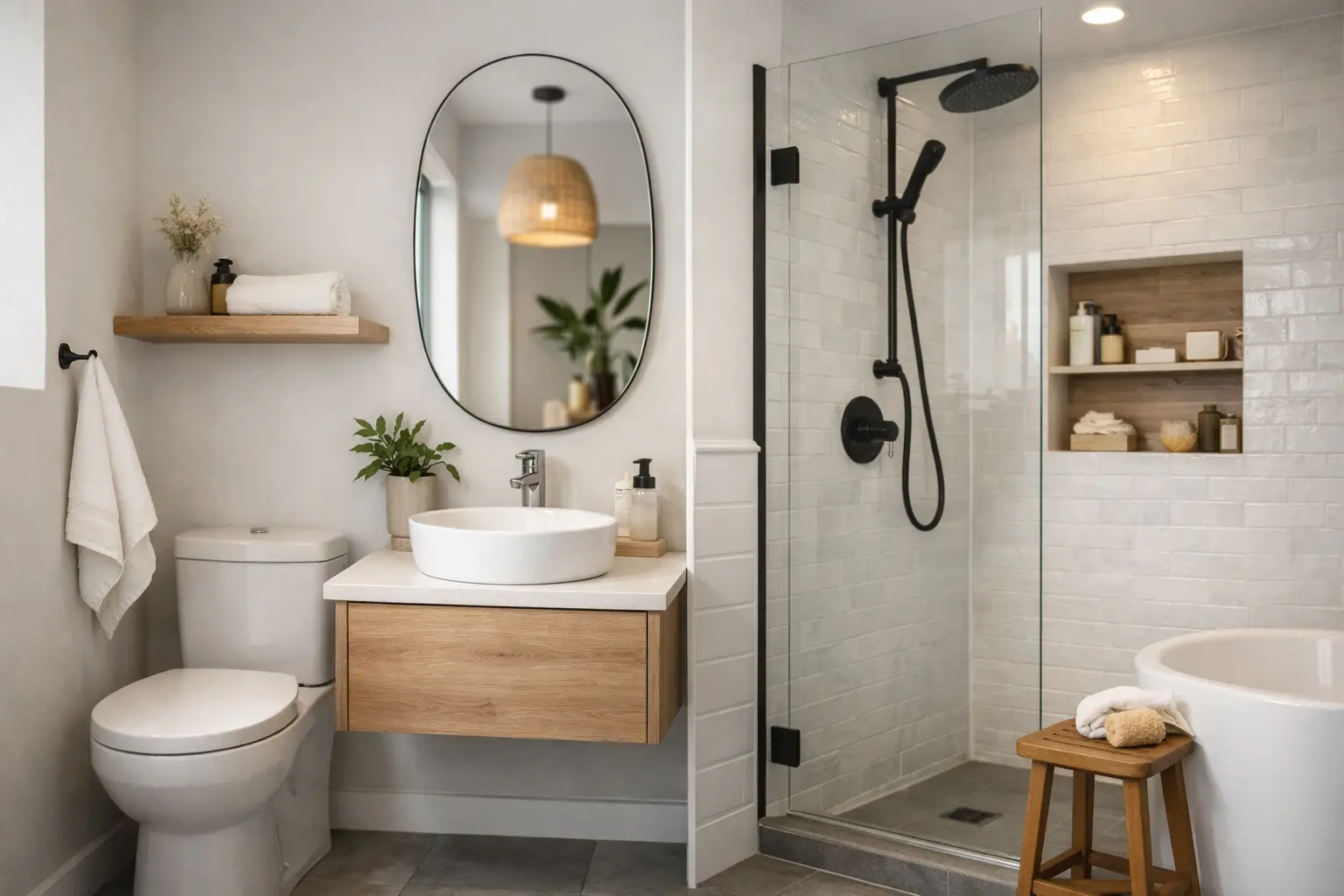
The most valuable improvements usually combine visible polish with lasting function. A walk-in shower with professionally installed tile and a properly waterproofed system can make an outdated bathroom feel significantly more current. A durable vanity with useful storage, a clean countertop, modern hardware, and a well-proportioned mirror can change how the entire room works.
Lighting deserves the same attention. One ceiling fixture rarely provides enough light for grooming or creates the warm, finished feel buyers expect. Layered lighting near the vanity, overhead lighting, and appropriate moisture-rated fixtures improve function without overwhelming the room.
Flooring also carries more weight than many owners realize. It should be water-resistant, slip-conscious, easy to maintain, and installed with clean transitions at the doorway, tub, and vanity. Porcelain tile remains a strong choice for durability and visual range, while other water-resistant materials may make sense for certain budgets and layouts. The right material depends on the room, not just the trend.
Small Bathroom vs. Primary Bathroom ROI
A smaller guest or hall bathroom often delivers excellent value because it can be refreshed without the cost of a large primary suite. Replacing dated fixtures, improving lighting, refinishing walls, updating flooring, and installing a practical vanity can make a compact room feel brighter and more functional. These projects are particularly useful before selling a home where the bathroom is visibly behind the rest of the property.
A primary bathroom has greater potential to influence a buyer’s perception, especially in upper-middle and higher-value homes. A spacious shower, double vanity, better storage, and refined tile work can help the home compete with newer or recently renovated properties. Yet a high-end primary bath should remain in proportion to the rest of the house. Installing an elaborate luxury suite in a home with an outdated kitchen, worn flooring, or major exterior needs may not produce the return the owner expects.
This is where experienced planning matters. The strongest projects prioritize the areas that buyers and occupants will see and use most, while keeping the overall investment aligned with the neighborhood and property condition.
Budget Where It Protects the Home
A bathroom is exposed to water, humidity, temperature changes, and daily wear. Spending wisely means putting the budget first toward the parts of the project that prevent failure. Proper shower waterproofing, secure tile installation, reliable plumbing connections, adequate ventilation, and careful surface preparation are not optional upgrades. They are the foundation of a bathroom that lasts.
Once those fundamentals are covered, choose finishes that offer a clean appearance and dependable performance. Mid-range materials installed with excellent craftsmanship often create more lasting value than expensive materials installed carelessly. A simple porcelain tile laid with straight lines, balanced cuts, and clean grout joints will look more premium than a costly tile installed with uneven spacing or poor transitions.
Avoid cutting corners on hidden work to afford a more expensive faucet, decorative tile, or specialty vanity. Buyers may not see waterproofing behind the wall, but they will recognize its value if the bathroom remains free of staining, loose tile, leaks, and mildew.
Timing Matters When You Plan to Sell
If a sale is likely within the next year or two, focus on improvements with broad appeal and a clear visual payoff. Repairing damaged drywall, replacing failing flooring, updating worn fixtures, refreshing paint, and modernizing a dated vanity can position the home more effectively without turning the project into an overbuilt renovation.
Before listing, consistency matters. A newly renovated bathroom next to visibly neglected rooms can raise questions about the rest of the home. It may be smarter to complete a balanced set of updates across the property, such as paint, flooring repairs, and key kitchen improvements, than to devote the entire budget to one luxury bathroom.
For owners planning to stay longer, personalize the bathroom more thoughtfully. Aging-in-place features, a curbless shower where appropriate, wider clearances, improved storage, and comfort-focused lighting may not have a direct dollar-for-dollar resale calculation, but they can make the home more useful for years.
How to Plan for a Strong Bathroom Remodel Return on Investment
Start with an honest assessment of the existing space. Look beyond the cosmetic issues and identify plumbing concerns, moisture damage, insufficient ventilation, poor storage, weak lighting, and layout limitations. Then determine whether the project is primarily for resale, everyday use, rental durability, or a combination of those goals.
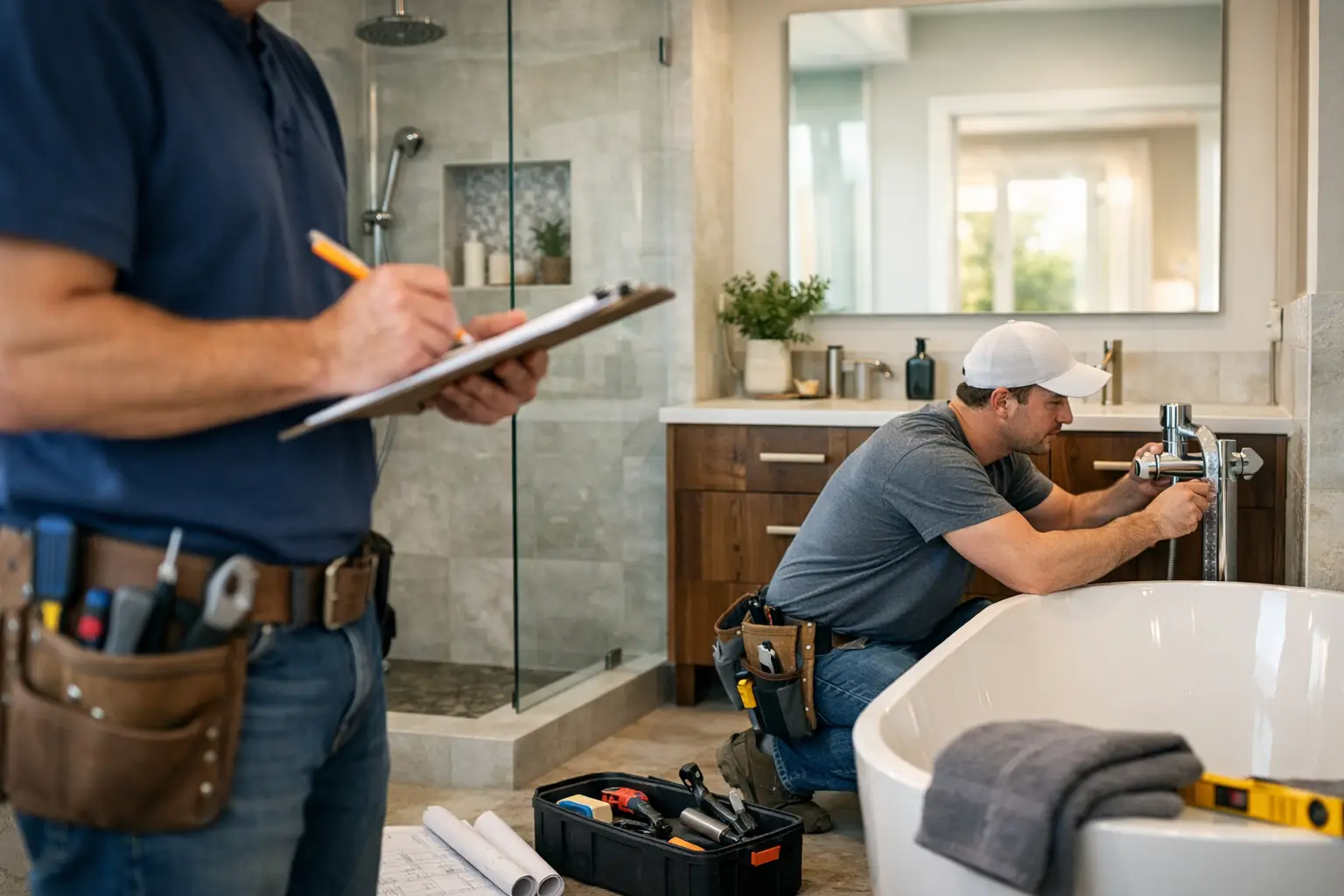
A detailed estimate should separate the major parts of the work so you understand where the investment is going. It should account for demolition, preparation, plumbing and electrical changes, waterproofing, materials, installation, finishing work, and any conditions that may be discovered once walls or floors are opened. Clear communication early in the process helps prevent rushed decisions and protects the project budget.
For investment properties and rental units, prioritize finishes that withstand frequent use and are easy to clean and repair. For a long-term personal residence, invest in the features that improve your routine without sacrificing timeless design. In either case, a professional result depends on precision from framing and drywall through tile, paint, fixtures, and final detailing.
Master Builder Home Improvement LLC approaches bathroom remodeling with that full-picture mindset: durable construction, clean premium finishes, and practical design choices that support long-term property value.
A bathroom renovation should leave the room looking better on day one and performing well long after the final caulk line is finished. Choose improvements that fit your home, protect it from moisture, and make daily life easier. That is the kind of craftsmanship that adds value to your property.