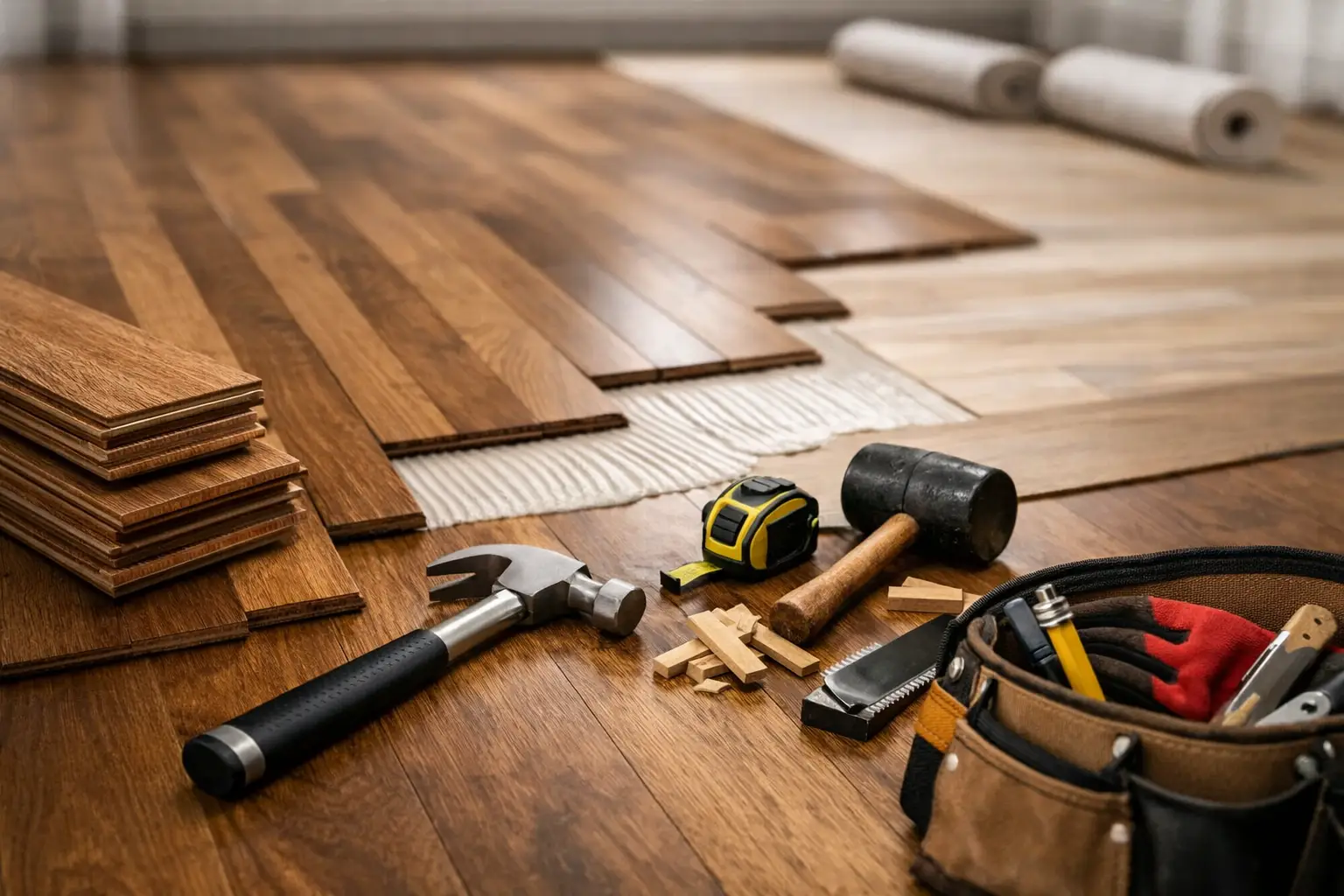

A finished basement can become the most flexible square footage in a home, but flooring installation for basements requires a different standard than flooring upstairs. Below grade spaces face changing moisture levels, cooler slab temperatures, and the occasional plumbing or water issue. The right floor is not simply the one that looks best in a showroom. It is the one that performs well over a concrete slab, supports the way the room will be used, and keeps its clean finish for years.
For Pennsylvania homeowners, this decision often starts before a single plank or tile is selected. A properly prepared basement floor protects the investment in framing, drywall, paint, furniture, and the rest of the finished space. Skipping that preparation may save money at the start, but it can lead to lifting floors, trapped odors, mold concerns, and replacement costs later.
Start With the Basement, Not the Flooring Sample
Concrete is durable, but it is not automatically ready to receive a finished floor. Basements can transfer moisture vapor through the slab even when there is no visible water on the surface. Hairline cracks, uneven areas, old adhesive, and low spots can also affect how a flooring system performs.
A professional assessment should look for active leaks, signs of past water intrusion, surface moisture, slab condition, and floor level. If water is entering through foundation walls, window wells, or exterior drainage issues, those problems need to be addressed first. No flooring material can compensate for an unfinished moisture problem below it.
Moisture testing is especially valuable when installing vinyl, engineered wood, epoxy, or any product that relies on adhesive. The results help determine whether a moisture barrier, vapor-control coating, or another preparation method is needed. This step is not dramatic, but it is where long-term flooring performance is won or lost.
Leveling Creates a Better Finish
Basement slabs are rarely perfectly flat. A small dip may not be obvious on bare concrete, yet it can show through a floating floor, create movement under planks, or leave tile edges unsupported. High spots may need to be ground down, while low areas can be corrected with an appropriate leveling compound.
A level, properly prepared surface creates tighter seams, a more solid feel underfoot, and a cleaner finished appearance. It also helps prevent premature wear in high-traffic areas such as stairs, laundry rooms, home gyms, and walkout entrances.
Best Flooring Options for a Finished Basement
The best choice depends on how the basement will function. A quiet family room has different needs than a rental unit, workshop, or small commercial storage area. Budget matters, but so do maintenance expectations, moisture risk, comfort, and the desired look.
Luxury Vinyl Plank and Tile
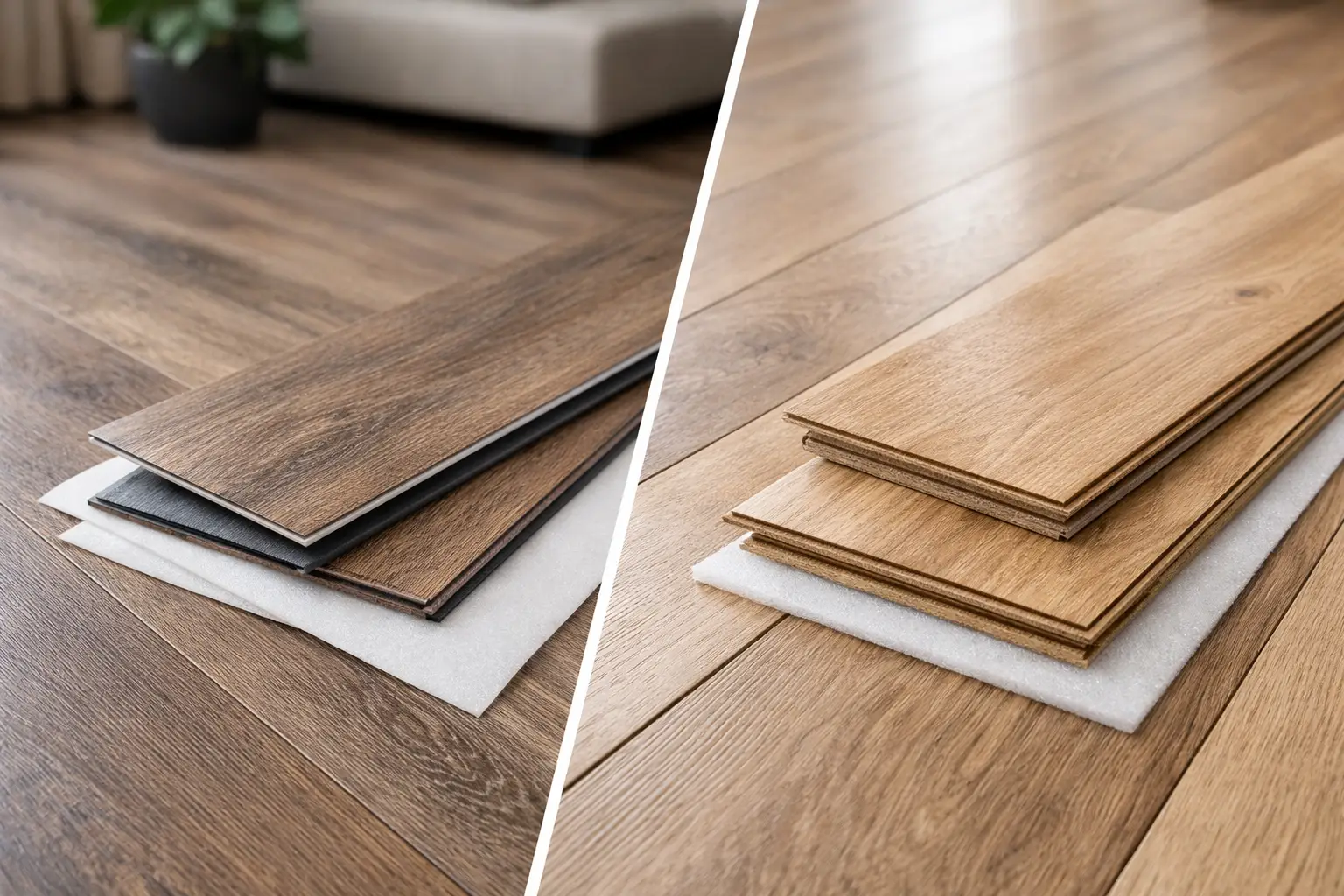
Luxury vinyl plank, often called LVP, is one of the strongest all-around choices for finished basements. It offers the appearance of hardwood or stone while handling everyday moisture better than many natural materials. Quality vinyl products are comfortable underfoot, easy to clean, and available in modern wood tones and tile styles.
For family rooms, playrooms, bedrooms, and finished rental spaces, LVP provides a practical balance of durability and design. A waterproof product does not mean the entire basement is waterproof, however. Water can still reach walls, trim, subfloor layers, or the edges of a floating floor. Proper installation details still matter.
Epoxy Floor Coatings
Epoxy is an excellent option when durability, easy cleaning, and surface protection are the priorities. It works particularly well in basement workshops, utility areas, storage rooms, home gyms, and spaces that receive heavier use. A professionally installed epoxy system creates a continuous surface that resists stains, abrasion, and many household chemicals.
The quality of epoxy flooring depends heavily on preparation. Concrete must be cleaned, repaired, mechanically prepared, and tested before coatings are applied. When installed correctly, an epoxy floor provides a polished, professional finish that is built to last and made to impress.
Epoxy may feel cooler and harder than vinyl or carpet, so it is not always the first choice for a media room or bedroom. Area rugs can add warmth where needed without giving up the benefits of a durable coated floor.
Porcelain or Ceramic Tile
Tile is highly water-resistant, durable, and well suited for basement bathrooms, laundry rooms, wet bars, and entry areas. Porcelain tile is generally denser and less porous than ceramic tile, making it a dependable choice for below-grade conditions. It also offers design flexibility, from clean large-format tile to classic stone-inspired finishes.
The trade-off is comfort and installation complexity. Tile needs a stable, flat substrate and skilled layout work to avoid uneven edges, narrow cuts, and poorly aligned grout lines. It can also feel cold without area rugs or radiant heating. Still, for homeowners who want a premium, long-wearing finish in a moisture-prone area, tile remains a strong investment.
Engineered Hardwood
Engineered hardwood can bring the warmth of real wood to a basement, but it requires more caution than vinyl or tile. Its layered construction is more dimensionally stable than solid hardwood, yet it is still a wood product and can react to excess moisture.
This option is best for dry, climate-controlled basements where moisture testing supports the installation plan. Product specifications, underlayment requirements, and the manufacturer’s below-grade rating should guide the decision. If the basement has a history of dampness or occasional water entry, vinyl may deliver a similar visual result with less risk.
Carpet Tiles and Low-Pile Carpet
Carpet can make a basement feel warmer, quieter, and more comfortable, especially in recreation rooms and home theaters. Carpet tiles offer a practical advantage because an individual damaged section can be replaced more easily than an entire broadloom carpet.
Still, carpet is not the best answer for every basement. In spaces with elevated moisture, a history of water issues, or frequent outdoor traffic, it can retain odors and become difficult to dry. Choosing moisture-resistant padding or a modular carpet system can help, but the basement must be dry before carpet is considered.
Flooring Installation for Basements Requires the Right System
Material selection is only one part of a successful floor. The installation system beneath and around the finished surface matters just as much. Depending on the product and slab condition, this may include a vapor barrier, underlayment, crack repair, floor leveling, transition strips, and expansion space at perimeter walls.
Floating floors need room to expand and contract. Glued floors need a compatible adhesive and a properly prepared slab. Tile may require crack-isolation protection, while epoxy demands a clean, mechanically profiled concrete surface. Treating every basement floor the same is how good materials fail early.
Attention to edges is equally important. Baseboards, door jambs, stair transitions, and floor-height changes should look intentional and finished. Clean transitions improve safety, reduce tripping points, and give the entire basement a more refined appearance.
Match the Floor to How the Space Will Be Used
Before choosing a color or pattern, picture the room one year from now. Will it be a children’s playroom with toys and spills? A home office where quiet and comfort matter? A rental suite that needs durable, low-maintenance finishes? Or a gym where impact resistance and easy cleanup come first?
For a family room, LVP paired with quality underlayment often creates a warm, practical result. For a gym or workshop, epoxy can provide the performance and cleanup benefits the room demands. A basement bathroom may call for porcelain tile, while a dry media room may benefit from carpet tile for sound control. Good flooring decisions connect the material to real daily use rather than a trend alone.
Color also affects how a basement feels. Mid-tone or lighter finishes can help a lower-level space feel more open, while highly textured patterns can hide everyday wear. Very dark floors can look sophisticated, but they may show dust more quickly in active spaces. A professional plan balances the desired design with the maintenance level a household is willing to manage.
Protect the Investment After Installation
Once the new floor is in place, simple habits protect its appearance. Use furniture pads, clean spills promptly, place mats near exterior doors, and follow the manufacturer’s recommendations for cleaning products. Avoid soaking floors with excessive water, especially around seams, trim, and transitions.
It is also wise to keep basement humidity under control. A dehumidifier, reliable HVAC operation, and attention to exterior drainage can support a healthier environment for flooring, finishes, and stored belongings. If a leak or water event occurs, act quickly rather than waiting to see whether the floor dries on its own.
A basement floor should make the room easier to use, easier to maintain, and more valuable to the property. Master Builder Home Improvement approaches each project with the preparation, material knowledge, and finish work needed to create a space that feels complete from the ground up. The right floor begins with an honest look at the basement itself, then a plan built around how you want to live in it.