
A rental floor does not get judged on looks alone. It gets judged after the third tenant, after the furniture scrapes, after the pet accident, and after the move-out cleaning crew is done. That is why choosing the best flooring for rentals is less about trends and more about performance. Landlords and property owners need a surface that looks clean, wears well, is practical to maintain, and still helps the unit feel updated enough to attract strong tenants.
The right answer depends on the type of property, the level of rent you are targeting, and how long you want the floor to last before replacement. In most cases, the best choice is not the cheapest material on day one. It is the option that gives you the best mix of durability, appearance, easy repairs, and long-term value.
What makes the best flooring for rentals?
For a primary residence, a homeowner may choose flooring based on personal taste. In a rental, the priorities shift. You need a floor that can handle repeated use from different tenants with different habits. That means resistance to scratches, moisture, dents, stains, and heavy cleaning matters more than a luxury label.
Appearance still matters. A clean, modern floor helps a unit show better, photographs better, and often rents faster. But that appearance needs to hold up over time. If a product looks great when installed but shows wear quickly, the value disappears fast.
Maintenance is another major factor. Flooring in rentals should be easy to sweep, mop, and spot clean. If every turnover requires specialty products, refinishing, or section-by-section replacement, operating costs rise. The best-performing rental floors reduce work between tenants and make damage less visible during occupancy.
Luxury vinyl plank is often the best flooring for rentals
If one category has become the practical standard for many landlords, it is luxury vinyl plank, often called LVP. There is a reason it shows up in so many updated rental units. It gives you the wood-look style tenants want without many of the drawbacks of real hardwood.
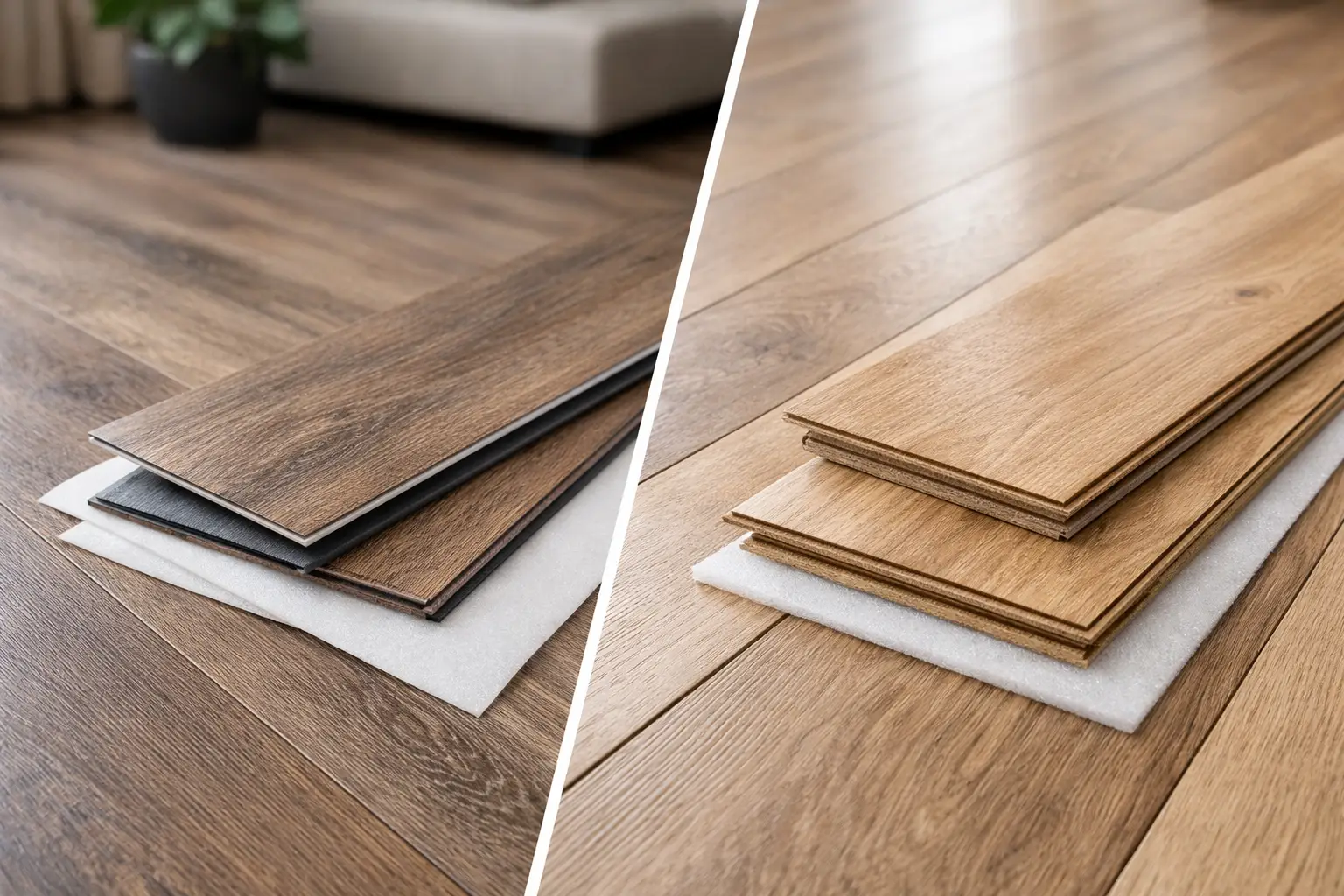
A quality LVP product handles foot traffic well, resists everyday moisture better than laminate or hardwood, and is relatively easy to clean. In kitchens, living areas, hallways, and even many lower-level spaces, it performs well under normal rental use. It also gives properties a more modern look than older sheet vinyl or basic carpet.
The key is quality. Not all vinyl plank is built the same. Thin, low-grade products can shift, chip, or wear faster, especially in high-turnover units. A stronger wear layer and proper installation make a major difference. Subfloor preparation also matters. Even a good product will underperform if installed over uneven surfaces.
For many property owners, LVP offers the strongest overall balance of cost, durability, and appearance. It is not indestructible, and deep gouges or poorly installed planks can still become an issue, but as an all-around rental flooring solution, it is hard to beat.
Tile works well in the right areas
Porcelain or ceramic tile is one of the most durable options available, especially in bathrooms, entryways, laundry areas, and some kitchens. It handles water well, cleans easily, and can last for many years with minimal wear. In a rental property, that kind of reliability is valuable.
The trade-off is comfort and cost. Tile is harder underfoot, colder in winter, and often more expensive to install than vinyl-based products. If a tile cracks, repair can be more involved, especially if matching material is no longer available. Grout also needs attention. Poorly sealed or stained grout can make an otherwise solid floor look worn and dated.
That said, in moisture-prone spaces, tile remains one of the smartest investments. It gives a clean, finished look and holds up well when installed correctly. For landlords who want a premium finish in bathrooms or mudroom-style areas, tile is still a strong choice.
Laminate can work, but it has limits
Laminate flooring has improved over the years, and some modern products offer a good look at a reasonable price. In dry areas of a rental, laminate can be a solid option when budgets are tight but appearance still matters.
Its biggest weakness is moisture. Even water-resistant laminate can be less forgiving than LVP when spills, leaks, or wet mopping become part of the picture. In rental properties, where you cannot always control how carefully floors are treated, that risk matters.
Laminate is usually best reserved for bedrooms and living areas in lower-moisture environments. It can look attractive and wear reasonably well, but it generally does not offer the same flexibility or water resistance as a quality vinyl plank product.
Carpet still has a place, but a smaller one
Carpet is no longer the first choice for most full-unit rental flooring upgrades, especially in higher-traffic spaces. It stains easily, traps odor, wears unevenly, and often needs replacement sooner than hard-surface flooring. For landlords focused on long-term value, that is a problem.
Still, carpet can make sense in certain bedrooms, particularly in colder climates or in units where softness and sound absorption are priorities. It can also lower upfront installation cost. But if you use carpet, it should be limited and carefully selected. A dense, stain-resistant product in a neutral tone performs better than lower-grade carpet with heavy texture or trendy color.
From a maintenance standpoint, carpet creates more turnover work. Cleaning helps, but once it holds odor, pet damage, or traffic patterns, replacement becomes the only real fix. That is why many landlords now reserve carpet only for select spaces, if they use it at all.
Sheet vinyl and budget flooring options
For some rentals, especially value-driven units, sheet vinyl still has a role. It is affordable, handles moisture reasonably well, and can be useful in utility areas or smaller spaces. It is not the most premium-looking option, but not every rental needs premium finishes throughout.
The challenge is appearance and repair. If sheet vinyl tears or gets deeply damaged, fixing a section cleanly is difficult. Lower-end products can also make the unit feel dated. If presentation matters for the rent level you want to achieve, sheet vinyl may work against that goal.
Budget flooring always comes with a larger question. Are you saving money, or are you just delaying a more expensive replacement? In many cases, paying slightly more for a better-performing floor leads to fewer repairs, better tenant appeal, and longer service life.
Should you use hardwood in a rental?
Real hardwood brings value and visual appeal, but it is rarely the most practical answer for standard rental properties. It scratches, dents, reacts to moisture, and often requires more careful maintenance than tenants are willing to provide. In high-end rentals or historic properties, hardwood may still make sense, especially when character is part of the property’s value.
For most landlords, though, hardwood creates a risk-reward imbalance. It can be refinished, which is an advantage, but refinishing costs time and money. If the property is positioned as a premium rental and the finish quality supports the asking rent, hardwood may be worth considering. For everyday rental use, more forgiving materials usually make better business sense.
Matching the floor to the property
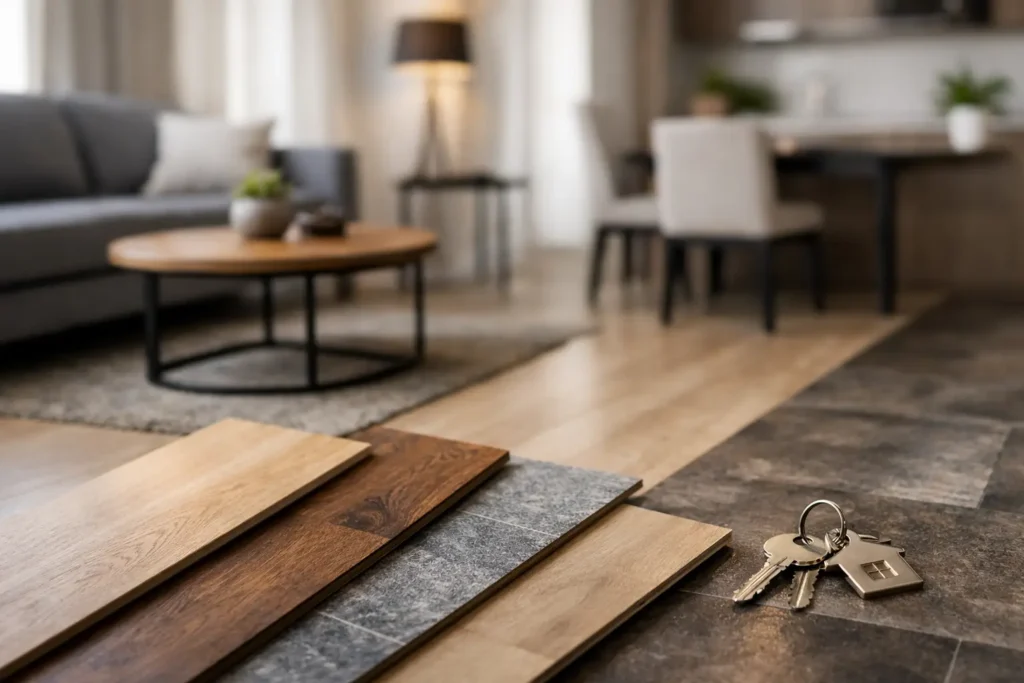
The best flooring for rentals is not always the same across every room or every building. A single-family rental aiming for long-term tenants may justify a stronger flooring package than a short-turnover apartment. A first-floor unit with direct exterior access may need more moisture resistance than an upper-floor condo. A pet-friendly property should lean toward scratch-resistant hard surfaces rather than broadloom carpet.
This is where planning matters. Flooring should match the rent level, tenant profile, and expected wear. Installing an overly expensive material in a budget rental may not give a strong return. Installing the cheapest product in a well-located, high-demand unit may limit what the property can earn.
Property owners throughout Pennsylvania often deal with seasonal moisture, tracked-in dirt, snow, and road salt. Those conditions make durable, easy-to-clean surfaces even more valuable. A floor that looks good in a showroom but cannot handle real weather and repeated cleaning is not the right fit.
Installation quality matters as much as material
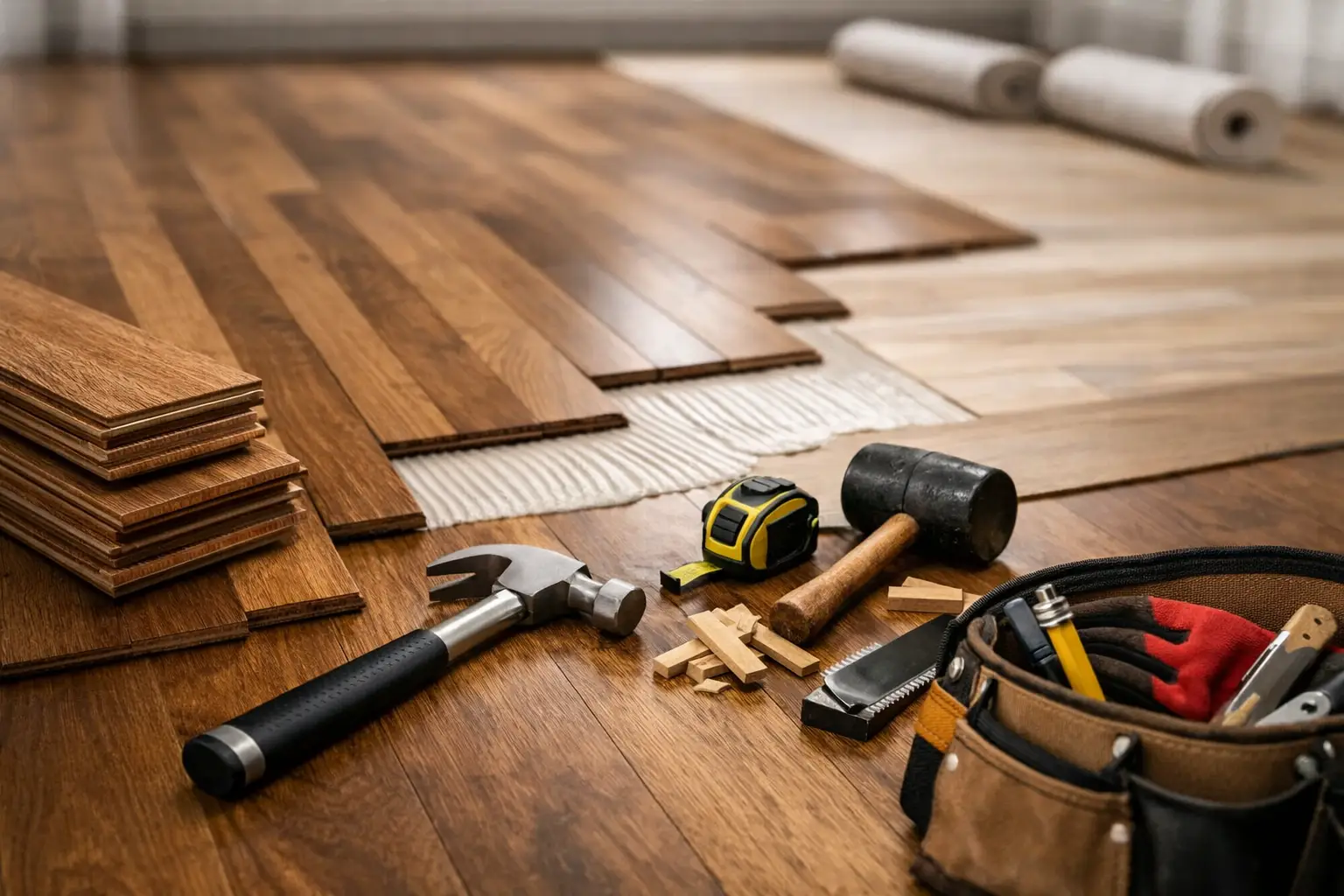
Even the best flooring product can fail if the installation is rushed. Gaps, movement, uneven transitions, poor cuts, and weak subfloor prep all shorten the life of the floor and hurt the final appearance. In rentals, those details matter because every flaw tends to get worse under repeated use.
Professional installation protects the investment. It improves durability, gives the property a cleaner finish, and reduces callbacks later. For landlords and investors, that means fewer headaches and a more consistent result across units. Master Builder Home Improvement LLC approaches flooring the same way we approach any finish work – with attention to detail, dependable execution, and a focus on long-term value.
A rental floor should do more than survive. It should help the property show well, stay easier to maintain, and support the value of the space over time. If you choose with durability in mind and install with care, the floor keeps working long after the listing photos are taken.