
A floor can look great in a showroom and still be the wrong choice for the way you actually live. That is why the luxury vinyl plank vs laminate question matters so much. On the surface, both can mimic hardwood, both are more budget-friendly than solid wood, and both work well in modern remodels. The difference shows up after installation, when the floor has to handle pets, spills, furniture, foot traffic, and daily wear.
For homeowners and property owners, the better option usually comes down to where the flooring is going, how the space is used, and what kind of long-term performance you expect. Price matters, but so do moisture exposure, surface durability, sound, comfort underfoot, and the quality of the installation.
Luxury Vinyl Plank vs Laminate: What Sets Them Apart?
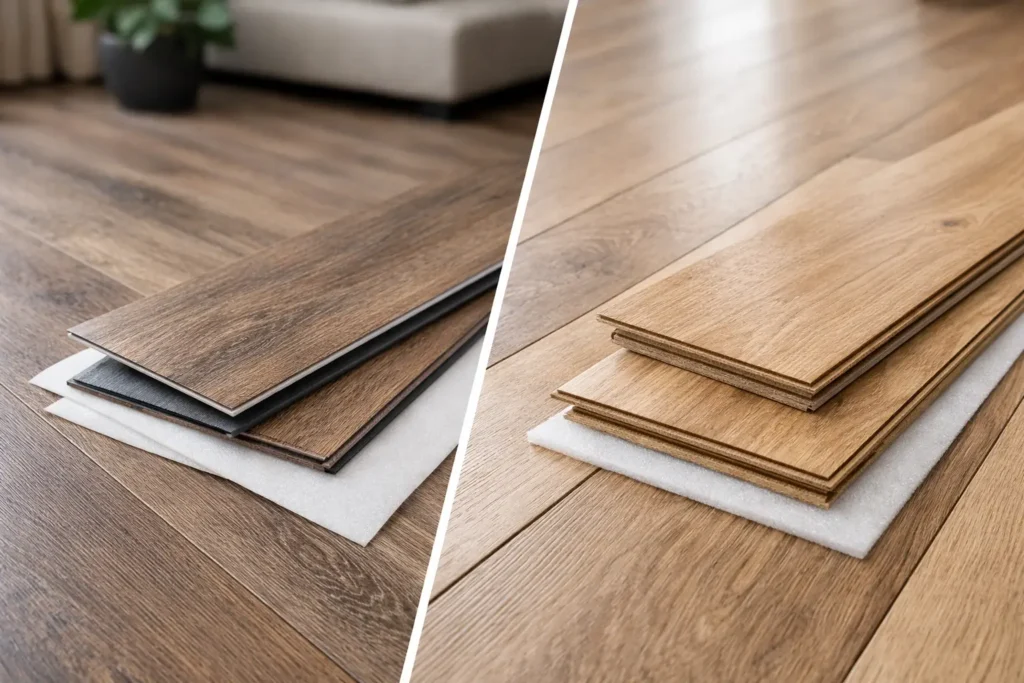
Luxury vinyl plank, often called LVP, is a synthetic flooring product made in layers. It usually includes a wear layer, a printed design layer that mimics wood, and a waterproof or highly water-resistant core. Many LVP products are designed specifically for kitchens, bathrooms, basements, and high-traffic living areas where moisture and wear are real concerns.
Laminate is also a layered product, but its core is typically made from high-density fiberboard. The top layer is a photographic image of wood or tile protected by a clear wear layer. Laminate has improved significantly over the years, especially in appearance and scratch resistance, but its core still reacts differently to water than vinyl does.
That core difference is the heart of the comparison. If moisture reaches laminate seams and works into the core, the boards can swell or warp. Luxury vinyl plank is generally much more forgiving in wet or spill-prone areas.
Appearance and Style
Both materials have come a long way. Cheap-looking floors are easier to spot than they used to be, and higher-quality products in both categories can create a clean, premium finish when selected and installed well.
LVP tends to offer more realism in texture and plank variation, especially in higher-end lines. You can find embossed surfaces, wider planks, and colors that fit everything from a modern farmhouse kitchen to a more refined contemporary interior. It also handles mixed-width and custom-style layouts well in the right space.
Laminate can also look excellent, particularly in living rooms, bedrooms, offices, and other dry spaces. In some cases, laminate has a slightly more wood-like visual depth because of its image layer and surface finish. But realism depends heavily on product quality. A low-end laminate floor can still look flat and repetitive very quickly.
For clients focused on a polished remodel, the installation matters as much as the product. A premium floor loses value fast if the transitions are sloppy, the subfloor is uneven, or the layout is rushed.
Water Resistance Is Often the Deciding Factor
If the room has kids, pets, wet shoes, spilled drinks, or routine cleaning with moisture, this is where luxury vinyl plank usually takes the lead.
Most LVP products are water-resistant, and many are fully waterproof. That makes them a strong fit for kitchens, bathrooms, laundry rooms, mudrooms, entryways, and basements. In Pennsylvania homes, where seasonal moisture and basement humidity can be a factor, that extra protection can save a homeowner from bigger problems later.
Laminate has improved in this category, and some newer products are marketed as water-resistant. That can be enough for light splashes if they are cleaned up quickly. Still, laminate is not usually the first choice for spaces where standing water, heavy mopping, or regular moisture exposure is expected.
If you want one flooring product throughout a home and some of those rooms face moisture risk, LVP is often the safer investment.
Durability and Daily Wear
Durability is not just about whether a floor dents or scratches. It is also about how it holds up over time in real conditions.
Luxury vinyl plank performs very well in busy households. It resists moisture, handles foot traffic well, and offers enough flexibility to perform in spaces where life is not gentle on finishes. That is part of what makes it popular for rentals, family homes, and light commercial use.
Laminate is often very good at resisting scratches from everyday use, and that can make it appealing for homes with pets or active families. However, it is typically less forgiving when it comes to impact damage and moisture-related failure. If water gets into the core, the problem is not cosmetic anymore.
For landlords or property investors, this trade-off matters. A floor that looks good but fails after one plumbing issue or repeated wet boot traffic may not deliver the value it seemed to offer at purchase.
Comfort, Sound, and Feel Underfoot
This is where the decision becomes more personal.
Laminate usually feels firmer underfoot and can sound a little more like real wood, especially when installed with a quality underlayment. Some homeowners prefer that more solid feel. In bedrooms, offices, and living spaces, laminate can give a crisp, finished look and feel that suits the room well.
LVP tends to be quieter and slightly softer underfoot. That can make it more comfortable for long periods of standing, which is useful in kitchens and work-heavy areas. It is also a practical option in upper-level spaces where reducing sound transfer matters.
If subfloor conditions are less than perfect, the feel of either product can change. A proper flooring installation starts below the surface. Even a high-end plank will not perform the way it should over a poorly prepared subfloor.
Cost and Long-Term Value
When comparing luxury vinyl plank vs laminate, many buyers start with price per square foot. That is understandable, but material cost alone rarely tells the full story.
Laminate is often less expensive upfront, depending on the product line. For dry areas where moisture is not a concern, it can be a cost-effective way to upgrade the appearance of a space. If the goal is a visual refresh for a bedroom or office, laminate may make financial sense.
LVP often costs more, especially with thicker wear layers and better construction. But in areas where water resistance, durability, and long-term reliability matter, paying more at the start can prevent replacement costs later. For many remodeling projects, the better question is not which floor is cheaper. It is which floor will still be performing well five to ten years from now.
That is where professional guidance helps. Matching the floor to the room protects the investment and supports the overall quality of the renovation.
Where Each Flooring Type Works Best
Best places for luxury vinyl plank
Luxury vinyl plank is usually the stronger choice for kitchens, bathrooms, basements, laundry rooms, entryways, and busy family areas. It is also a smart option in small commercial settings where appearance matters but the floor needs to handle steady use.
If the property has pets, children, or a lot of day-to-day traffic, LVP offers peace of mind that many homeowners appreciate.
Best places for laminate
Laminate works well in bedrooms, living rooms, dining rooms, hallways, and home offices when moisture exposure is limited. It can be a solid choice for homeowners who want a wood-look floor with good scratch resistance and a lower initial price point.
In the right room, laminate can absolutely perform well. It just needs the right conditions.
Installation Quality Changes the Outcome
A lot of flooring problems get blamed on the product when the real issue was the installation.
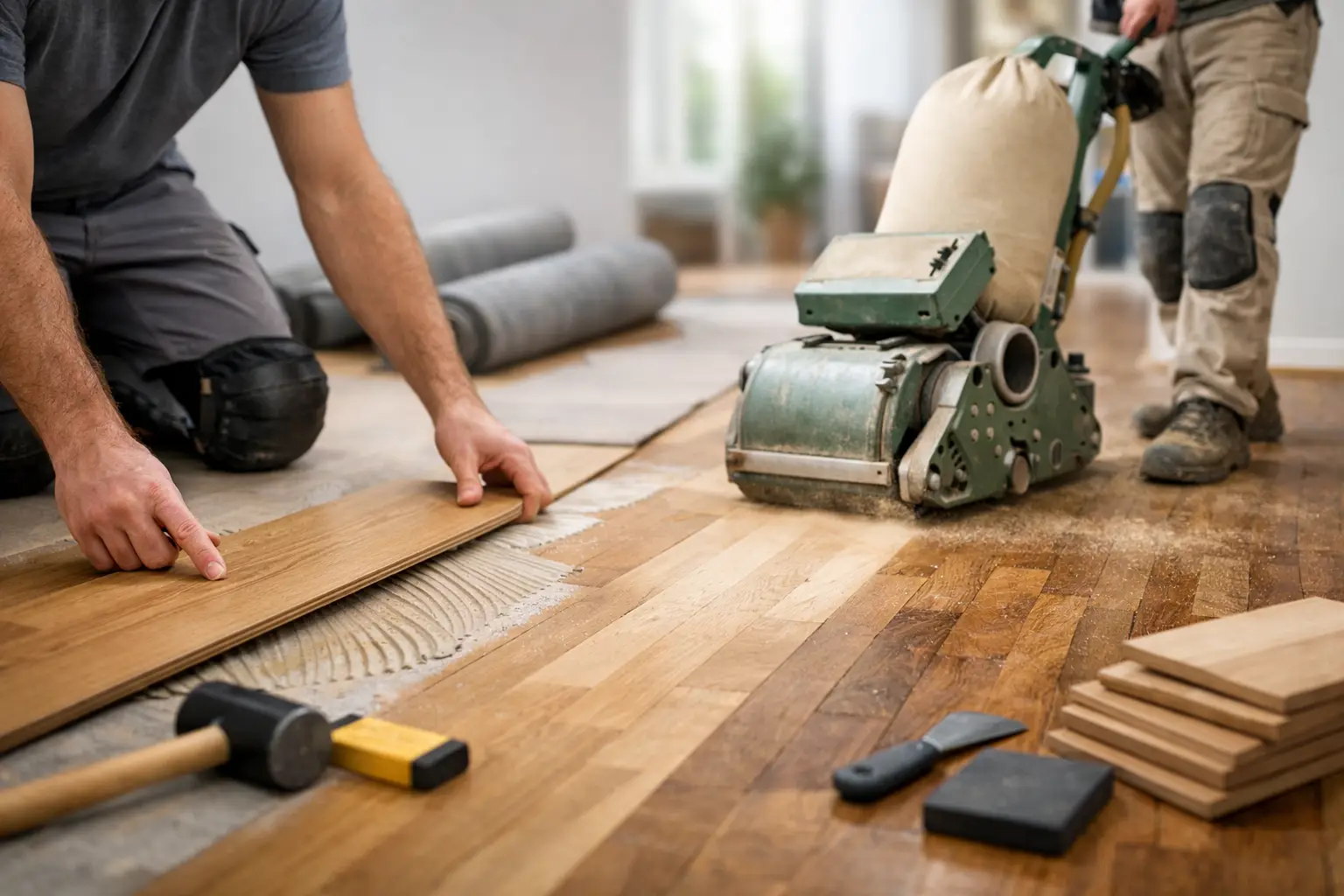
Poor subfloor prep, weak seam alignment, improper expansion gaps, and rushed trim work can shorten the life of either floor. Water-resistant products also depend on careful installation around edges, transitions, and fixtures. If those details are missed, performance suffers.
That is why craftsmanship matters. Clean layout lines, proper leveling, tight transitions, and accurate finishing work are what turn a good flooring product into a finished space that looks premium and lasts.
Master Builder Home Improvement approaches flooring the same way we approach every renovation detail – with clear planning, quality materials, and professional execution built to last.
Which One Should You Choose?
If you want the safer all-around option, luxury vinyl plank usually wins. It handles moisture better, performs well in more rooms, and offers strong long-term value for households that expect a lot from their floors.
If your project is focused on dry living spaces and budget is a bigger factor, laminate may still be the right fit. It can look sharp, wear well, and deliver a noticeable upgrade when installed properly.
The best flooring choice is not the one with the best marketing. It is the one that fits the room, the property, and the way you actually use the space. A floor should do more than look good on day one. It should support the value, function, and finish of the entire remodel for years after the work is done.